1
Voltage Gate
PASSDevice output type must match generator output.
120V required -> 120V available
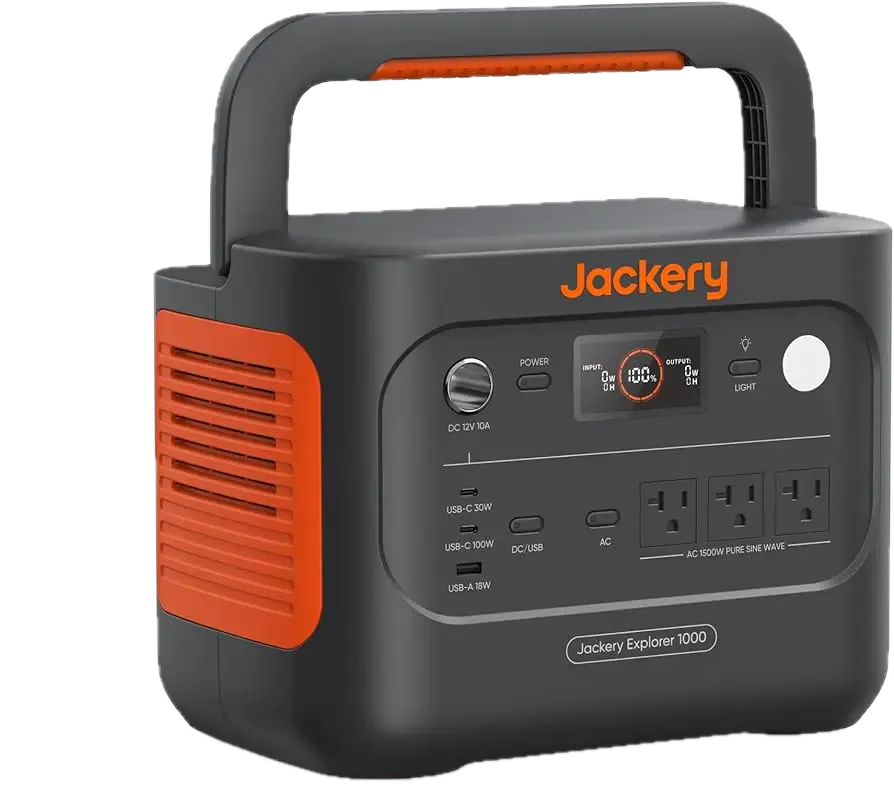
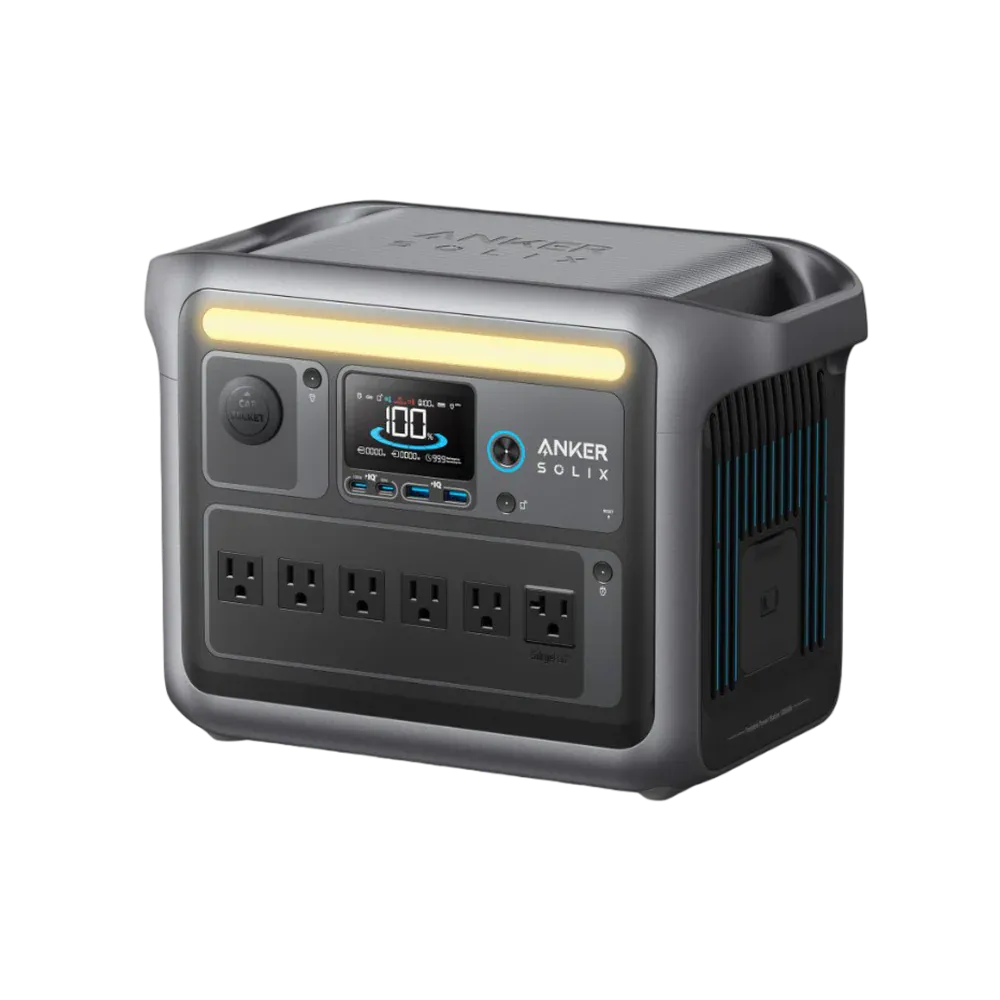
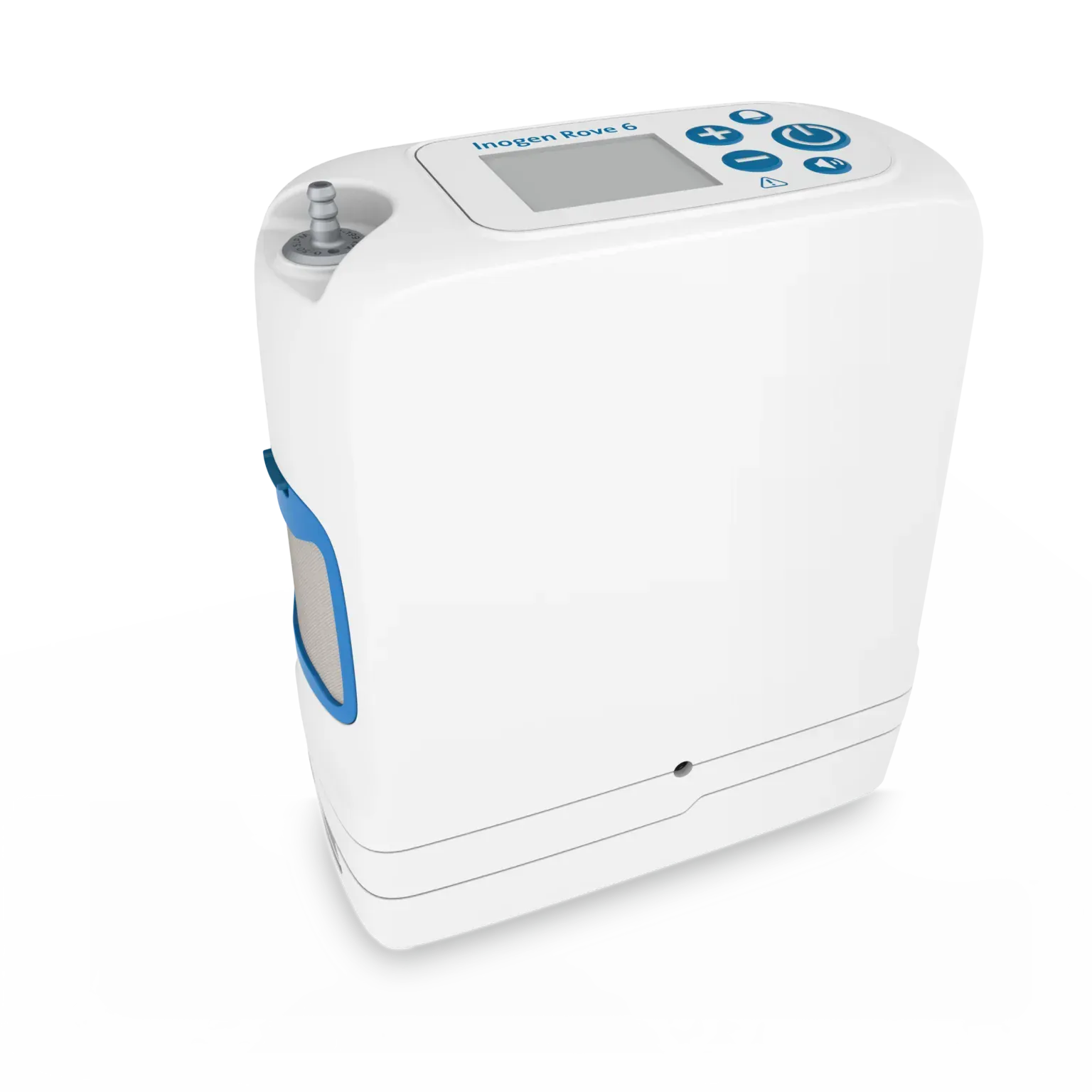
Yes - VTOMAN Jump 1500X has enough running and surge power for the Portable Oxygen Concentrator. Target ~403W running / 403W surge; the generator provides 1500W / 3000W.
Same decision gates as the engine: voltage, running, surge. Runtime is shown as operational context.
Device output type must match generator output.
120V required -> 120V available
Continuous draw with safety buffer applied.
403W required -> 1,500W available (1,097W headroom)
Startup peak with safety buffer applied.
403W required -> 3,000W available (2,597W headroom)
Runtime context only. It does not change the electrical compatibility verdict.
Continuous estimate: 1.7h
Device profile reference: up to 24h per day.
Power bars show required versus available output for each gate.
View full compatibility reportQuick compatibility, required headroom, and model-specific context at a glance.
3 of 3 models are SAFE or TIGHT. Most demanding model: Philips EverFlo (350W surge).
| Model | Running | Surge | Verdict | Runtime | Source |
|---|---|---|---|---|---|
| Philips SimplyGo | 150W | 150W | Safe | ~3.9h | Engineering Est. |
Show expert analysisTechnical: **Running load:** 150 W. **Surge:** 150 W. **Voltage:** 120 V AC. No inrush spike, consistent draw across flow settings. Field note: Verify power station inverter can deliver 150 W continuously for 24-hour cycles. Monitor battery state of charge during overnight operation. Can I run this concentrator on battery backup during a power outage? Only if your power source can supply at least 150W continuous and 150W surge at 120V. | |||||
| Philips EverFlo | 350W | 350W | Safe | ~1.7h | OEM Verified |
Show expert analysisTechnical: **Running load:** 350W continuous. **Surge:** 350W (no inrush spike). **Voltage requirement:** 120V AC. Resistive heating element drives steady draw with minimal transient. Field note: Ensure power station inverter handles 350W continuous without thermal cutoff. Voltage deviation beyond ±5% may trigger device fault alarms. Can I run this on a portable power station during an outage? Only if your power source can supply at least 350W continuous and 350W surge at 120V. Verify capacity in watt-hours exceeds your runtime need. | |||||
| Drive DeVilbiss 5L | 310W | 310W | Safe | ~1.9h | Engineering Est. |
Show expert analysisTechnical: **Running load:** 310W continuous. **Surge:** 310W (no starting transient). **Voltage:** requires 120V AC. The device demands 7440 Wh over a 24-hour period. Field note: Medical oxygen concentrators tolerate no interruption. Verify the power station supports pass-through charging during mains operation. Can I run this oxygen concentrator on a portable power station during an outage? Only if your power source can supply at least 310W continuous and 310W surge at 120V. No compatibility is guaranteed. | |||||
This unit ranks #11 of 29 compatible generators for this device by buffered margin (Overkill class).
29 of 33 generators are SAFE+TIGHT for Portable Oxygen Concentrator.
Fit class uses buffered needs (running and surge) for this device.
Medical Emergency Backup
Select Your Model:
Free Tools
The 3000W surge rating handles moderate motor startup loads including sump pumps, refrigerators, and small power tools. At 828Wh base capacity, runtime is limited — expect 3–4 hours on a 200W load or about 30 minutes at full 1500W draw. The expandable 1548Wh battery roughly triples runtime. Solar recharging is the main weakness: the 200W / 30V limit means only small, low-voltage portable panels are compatible. Plan for slow solar recovery (4+ hours for a full charge with a compatible 200W panel).
The Jump 1500X uses LiFePO4 chemistry rated for 3,000+ cycles to 80% capacity. The built-in jump starter adds emergency vehicle starting capability not found in competing power stations. LFP chemistry provides thermal stability for the combined power station and jump starter functions. Source: VTOMAN official US product page (manufacturer documentation).
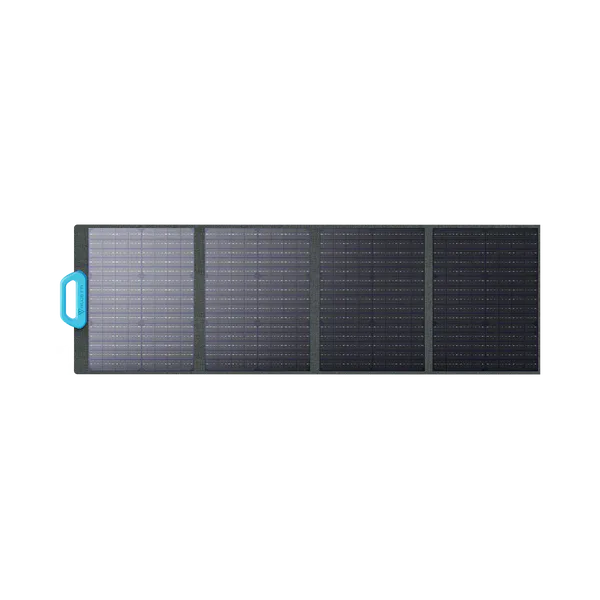
Keep your Portable Oxygen Concentrator running with solar • MPPT: 12– 30V • Max: 200W
 Smart Value
 120W Panel
Adapter required: MC4 -> DC5521.
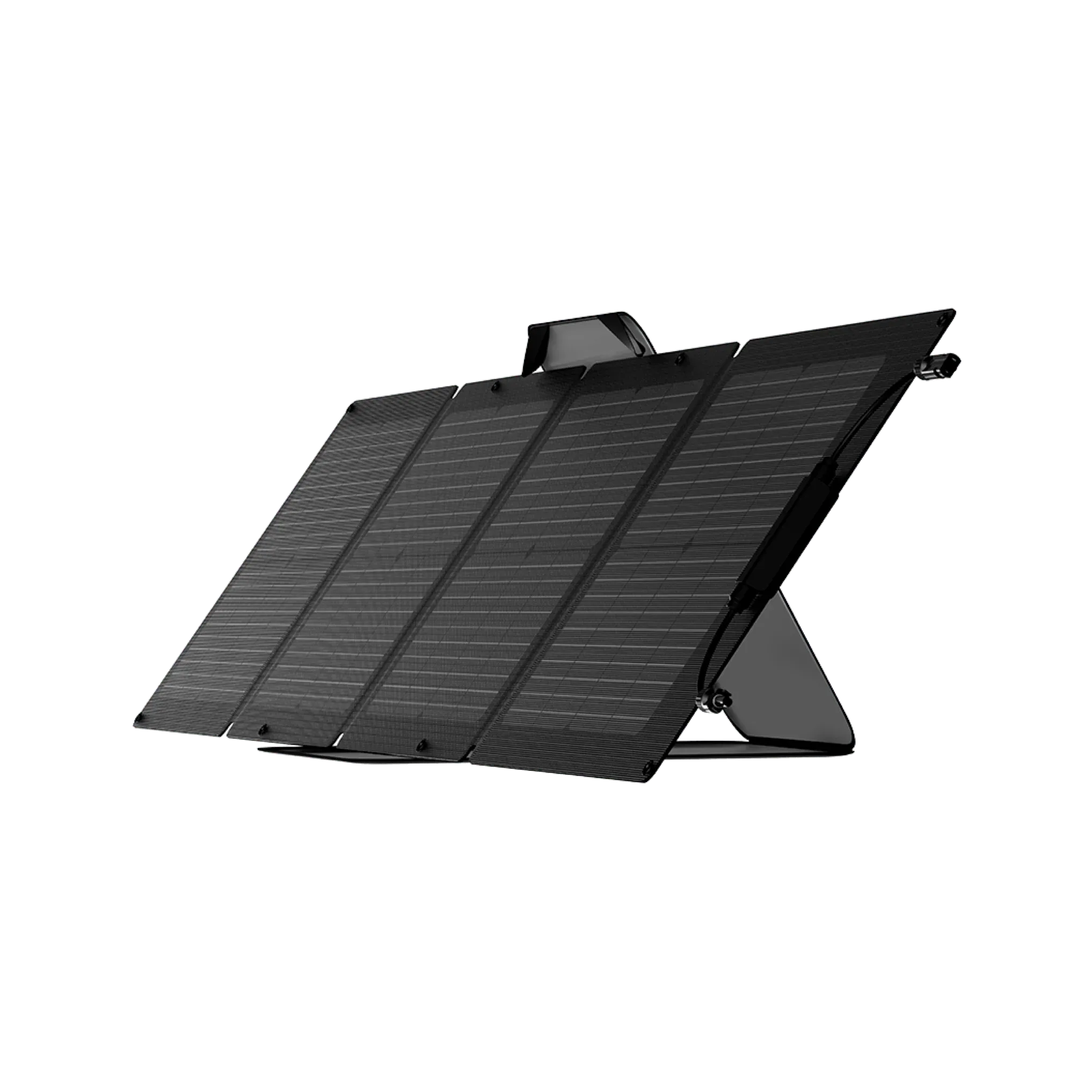 Smart Value
 110W Panel
Adapter required: MC4 -> DC5521.
Yes. The VTOMAN Jump 1500X provides 1500W running / 3000W surge. The Portable Oxygen Concentrator needs 403W / 403W (including 15% buffer). That leaves 1097W of running headroom and 2597W of surge margin.
Approximately 1.7 hours, based on the Portable Oxygen Concentrator's 350W draw and the VTOMAN Jump 1500X's 828Wh capacity (70% usable after real-world losses).
With 500W allocated to the Portable Oxygen Concentrator, the VTOMAN Jump 1500X still has ~350W of margin. These devices could run simultaneously:
Pro Tip for Medical Users: According to energy reports, turning off the humidifier on your Portable Oxygen Concentrator can double your runtime. Using a DC cable instead of the AC plug is also recommended to avoid inverter inefficiency.
Compare all 33 generators for the Portable Oxygen Concentrator
Ranked by budget, runtime, and overall compatibility.
Derived from variant list (max of variants). Running worst case = Philips EverFlo (350W). Surge = running for all variants (no OEM startup current published for any oxygen concentrator in this class; surge modeled equal to running).
VTOMAN Jump 1500X Official Product Page (US) — full specifications
Similar-output alternatives you can compare side by side.