1
Voltage Gate
PASSDevice output type must match generator output.
120V required -> 120V available
This pairing clears the safety headroom. Required ~1651W running and 1651W surge; the Explorer 2000 v2 is rated 2200W / 4400W.
Same decision gates as the engine: voltage, running, surge. Runtime is shown as operational context.
Device output type must match generator output.
120V required -> 120V available
Continuous draw with safety buffer applied.
1,651W required -> 2,200W available (549W headroom)
Startup peak with safety buffer applied.
1,651W required -> 4,400W available (2,749W headroom)
Runtime context only. It does not change the electrical compatibility verdict.
Continuous estimate: 1.0h
Typical cycling estimate (65% duty): 1.5h
Device profile reference: up to 4h per day.
Power bars show required versus available output for each gate.
View full compatibility reportQuick compatibility, required headroom, and model-specific context at a glance.
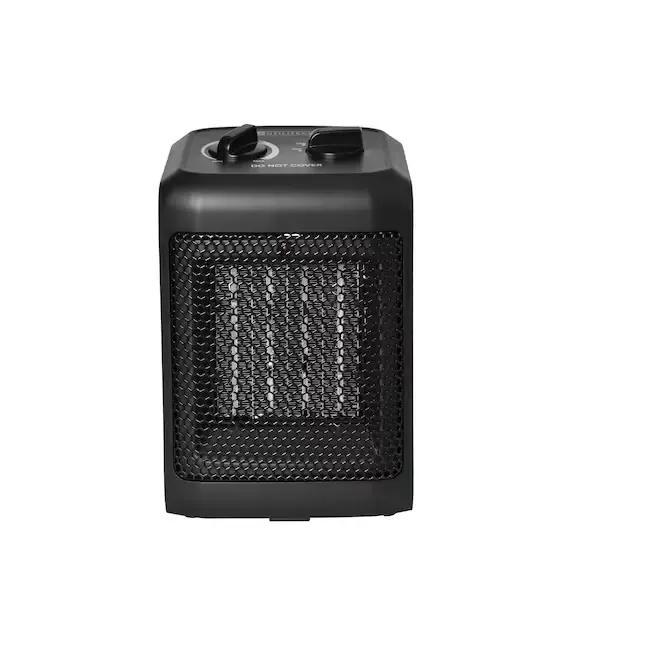
3 of 3 models are SAFE or TIGHT. Most demanding model: Lasko CT16450 (Ceramic Tower) (1,500W surge).
| Model | Running | Surge | Verdict | Runtime | Source |
|---|---|---|---|---|---|
| Lasko CT16450 (Ceramic Tower) | 1,500W | 1,500W | Safe | ~1.0h | OEM Verified |
Show expert analysisTechnical: **Running load:** 1500 W (high setting). **Surge:** 1500 W (resistive heating element, no inrush). **Voltage:** 120 V AC required. Ceramic heating element with fan-forced air distribution. Field note: Switch to low mode (900W) to extend runtime by 67% on battery. Thermostat cycling helps too — once the room reaches target temp, draw drops to zero between cycles. How long can I heat a room on a portable power station? At 1500W on high, a 2000Wh station (1400Wh usable) provides roughly 1 hour of continuous heat. On low (900W), that extends to about 1.5 hours. Thermostat cycling extends these estimates further. | |||||
| De'Longhi TRD40615E (Oil-Filled Radiator) | 1,500W | 1,500W | Safe | ~1.0h | OEM Verified |
Show expert analysisTechnical: **Running load:** 1500 W (high setting). **Surge:** 1500 W (resistive heating, no inrush). **Voltage:** 120 V AC required. Oil-filled radiator with thermal mass — continues radiating heat after power is cut, unlike ceramic or fan heaters. Field note: Oil-filled radiators are the best space heater type for battery backup. The thermal mass means the unit keeps heating the room even during thermostat off-cycles or after you turn it off — stretching your battery further than a ceramic or fan heater. Is an oil-filled radiator better than a ceramic heater on battery? For battery efficiency, yes. The oil reservoir stores heat and radiates it passively during thermostat off-cycles. A ceramic heater stops heating the moment power cuts. Both draw 1500W on high, but the radiator delivers more total warmth per Wh consumed. | |||||
| Vornado VH200 (Whole Room Vortex) | 1,500W | 1,500W | Safe | ~1.0h | OEM Verified |
Show expert analysisTechnical: **Running load:** 1500 W (high setting). **Surge:** 1500 W (resistive heating, no inrush). **Voltage:** 120 V AC required. Vortex air circulation distributes heat throughout the room more evenly than directional heaters. Field note: The 750W low setting is useful on battery — it halves power draw while still circulating warm air via the vortex fan. On a 2000Wh station, low mode provides nearly 2 hours of whole-room heating vs 1 hour on high. Can I use the Vornado VH200 on low mode to save battery? Yes — low mode draws 750W, half of the 1500W high setting. This doubles your runtime on a portable power station. The vortex circulation still distributes heat effectively at the lower setting. | |||||
This unit ranks #11 of 23 compatible generators for this device by buffered margin (Overkill class).
23 of 33 generators are SAFE+TIGHT for Space Heater (1,500W).
Fit class uses buffered needs (running and surge) for this device.
Winter Storm Backup
Select Your Model:
These systems are often hardwired to a home panel. To run them from a portable station, you may need a transfer switch installed by an electrician. You cannot just plug it in.
Free Tools
The 4400W surge handles most residential motor and compressor startups, though at 2200W continuous it falls short of the Explorer 2000 Plus's 3000W rating. Solar charging is limited to 400W via dual DC8020 ports, so a full solar charge takes roughly 5-6 hours in ideal conditions. Best suited for essential circuit backup rather than whole-home systems.
LiFePO4 chemistry with 4000-cycle lifespan to 70%+ capacity. FCC Part 15 Class B compliance is documented for residential use. UPS mode provides 20ms automatic switchover during power outages — suitable for most home electronics but not for data servers or workstations requiring 0ms transfer. Source: Jackery Explorer 2000 V2 User Manual (JE-2000D). No safety guarantees beyond published specifications.
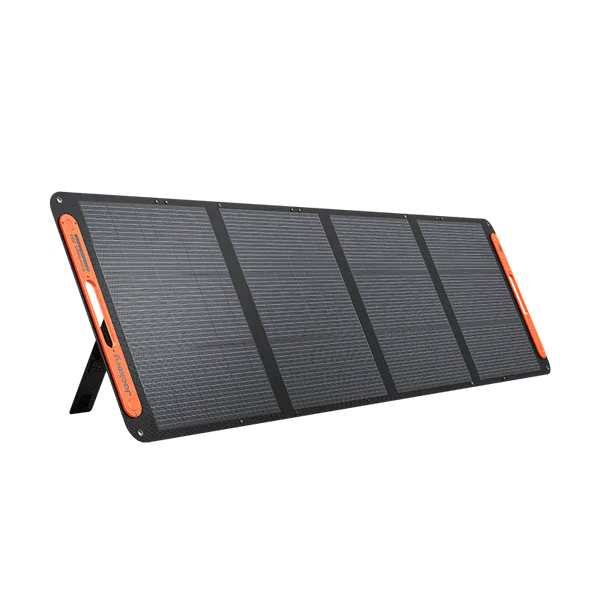
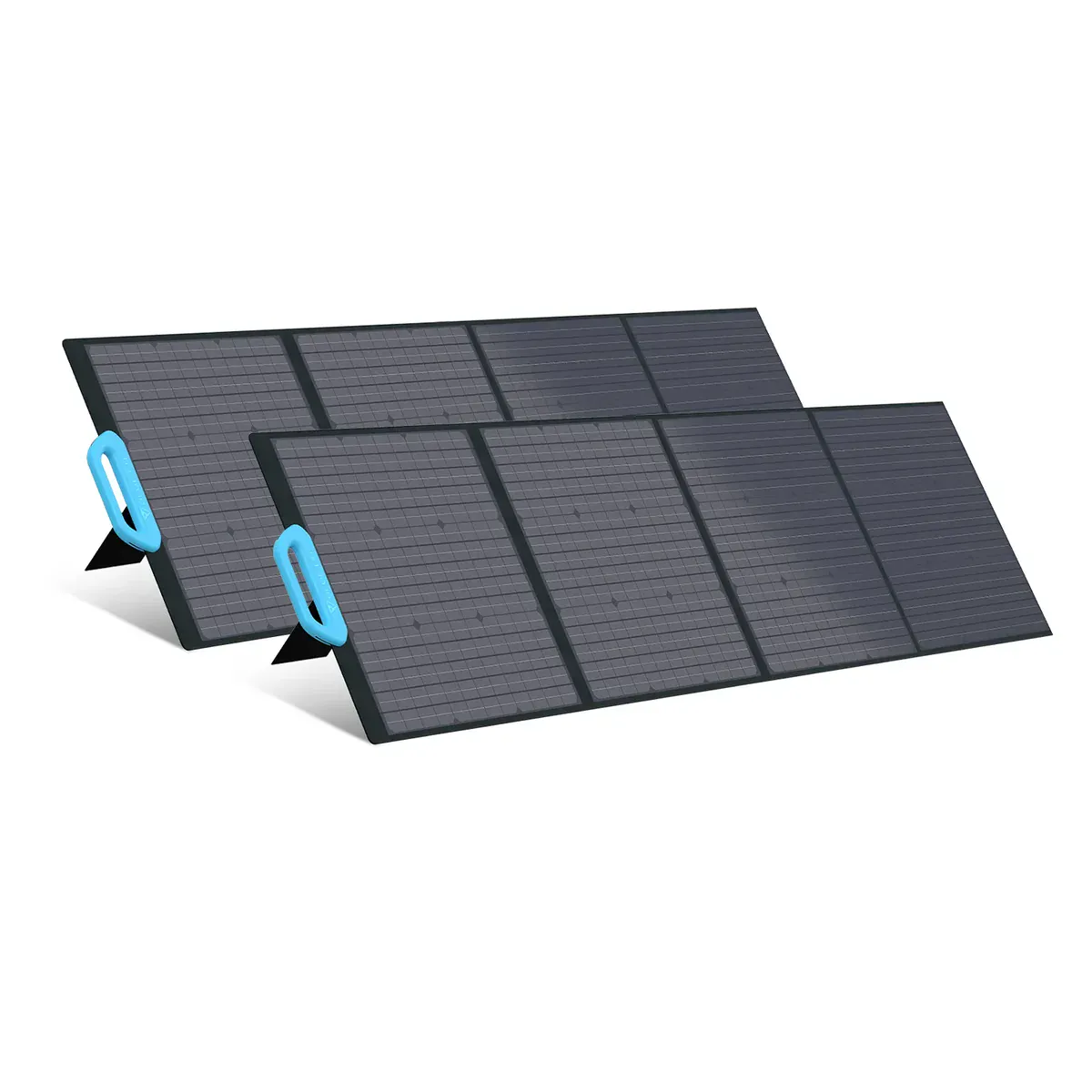
Keep your Space Heater (1,500W) running with solar • MPPT: 16– 60V • Max: 400W
 Official
 200W Panel
 Smart Value
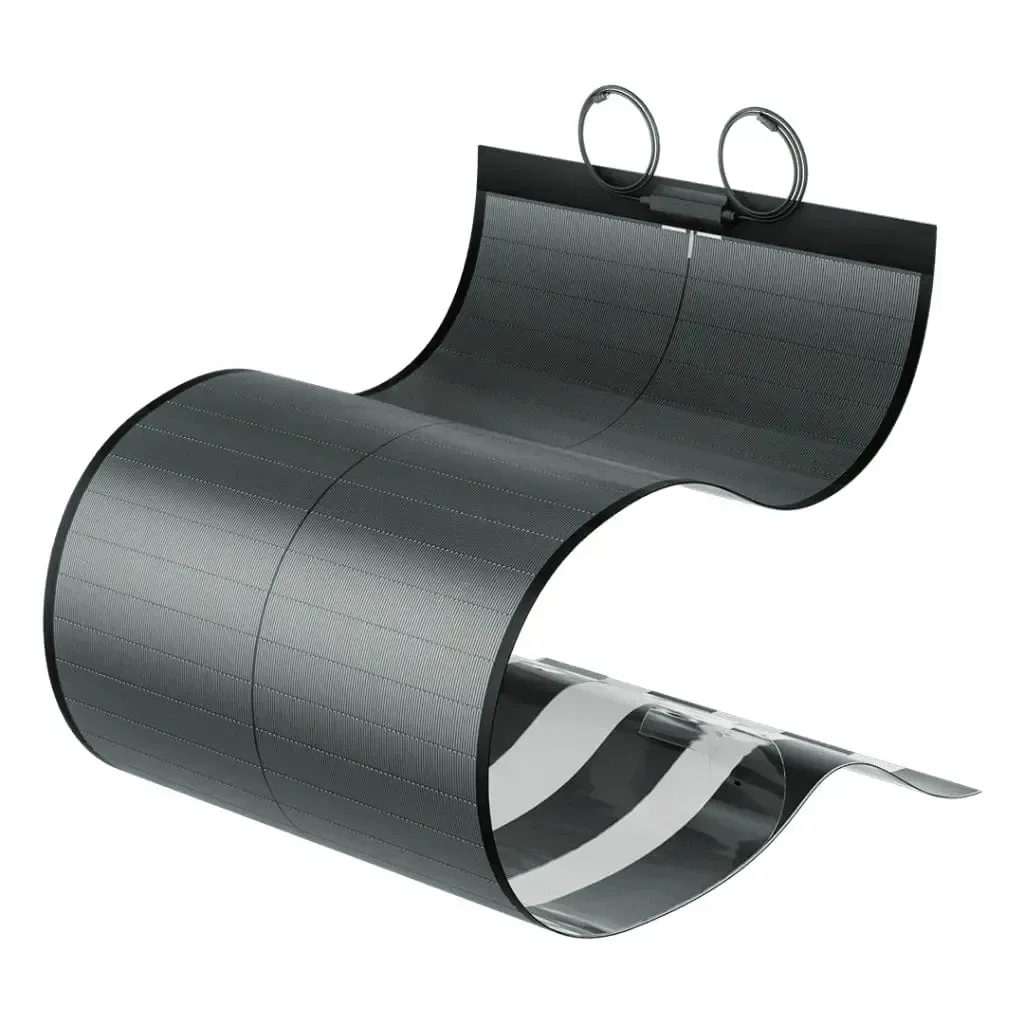
 200W Panel
Adapter required: MC4 -> DC8020.
 Smart Value
 200W Panel
Adapter required: MC4 -> DC8020.
Yes. The Jackery Explorer 2000 v2 provides 2200W running / 4400W surge. The Space Heater (1,500W) needs 1651W / 1651W (including 10% buffer). That leaves 549W of running headroom and 2749W of surge margin.
Approximately 1.0 hours, based on the Space Heater (1,500W)'s 1500W draw and the Explorer 2000 v2's 2042Wh capacity (70% usable after real-world losses).
With 250W allocated to the Space Heater (1,500W), the Explorer 2000 v2 still has ~10W of margin. These devices could run simultaneously:
Power Tip: To get the most out of your Explorer 2000 v2, keep it in a well-ventilated area. Extreme temperatures can slightly reduce the efficiency of the LFP/NMC cells.
Compare all 33 generators for the Space Heater (1,500W)
Ranked by budget, runtime, and overall compatibility.
Derived from variant list (max of variants). Running worst case = all three variants (1500W). Surge = running (resistive heating element — no motor inrush).
Jackery Explorer 2000 V2 User Manual (Model JE-2000D)
Similar-output alternatives you can compare side by side.