1
Voltage Gate
PASSDevice output type must match generator output.
120V required -> 120V available
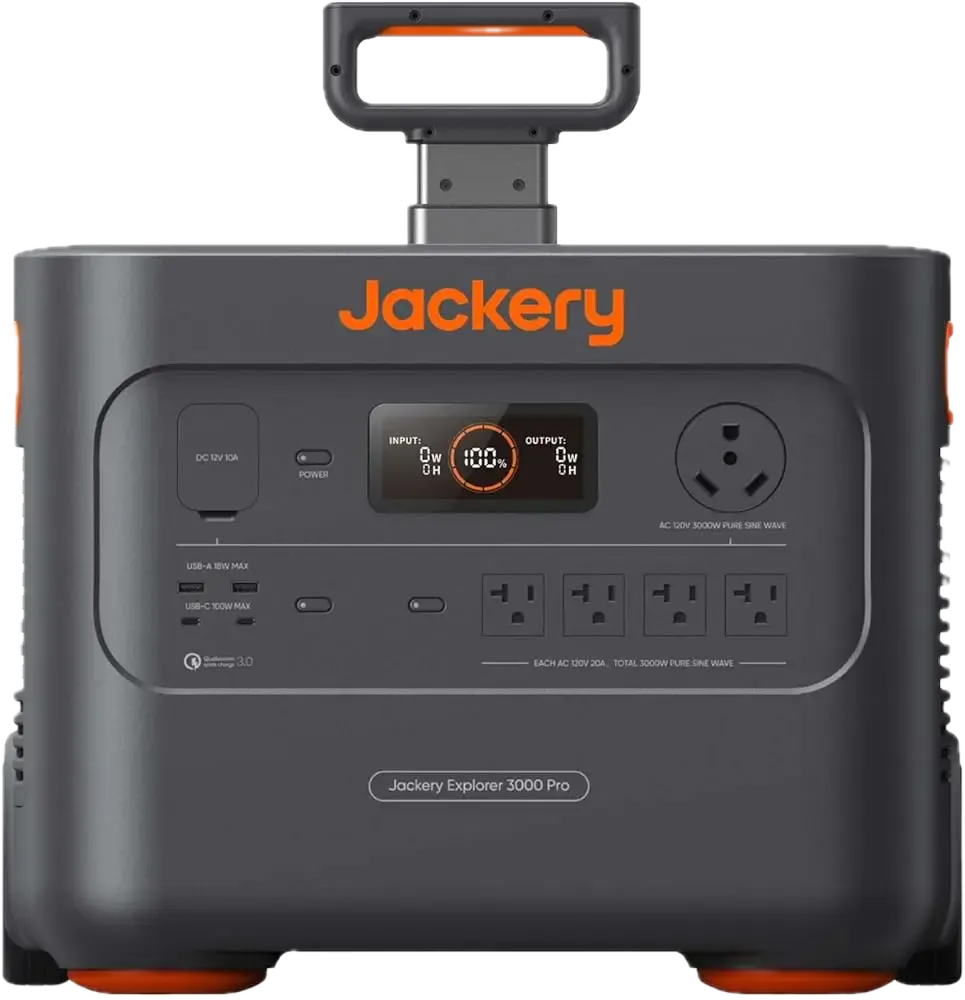
This pairing clears the safety headroom. Required ~1656W running and 1656W surge; the Explorer 2000 Plus is rated 3000W / 6000W.
Same decision gates as the engine: voltage, running, surge. Runtime is shown as operational context.
Device output type must match generator output.
120V required -> 120V available
Continuous draw with safety buffer applied.
1,656W required -> 3,000W available (1,344W headroom)
Startup peak with safety buffer applied.
1,656W required -> 6,000W available (4,344W headroom)
Runtime context only. It does not change the electrical compatibility verdict.
Continuous estimate: 1.0h
Device profile reference: up to 8h per day.
Power bars show required versus available output for each gate.
View full compatibility reportQuick compatibility, required headroom, and model-specific context at a glance.
3 of 3 models are SAFE or TIGHT. Most demanding model: Tesla Mobile Connector Gen 2 (NEMA 5-15, 12A) (1,440W surge).
| Model | Running | Surge | Verdict | Runtime | Source |
|---|---|---|---|---|---|
| Tesla Mobile Connector Gen 2 (NEMA 5-15, 12A) | 1,440W | 1,440W | Safe | ~1.0h | OEM Manual |
Show expert analysisTechnical: **Running load:** 1440 W (12A at 120V). **Surge:** 1440 W (no inrush — EVSE is a pass-through device, not a transformer). **Voltage:** 120 V AC required (NEMA 5-15 outlet). The Mobile Connector simply passes AC power to the vehicle's onboard charger. Field note: Level 1 charging on a portable power station is an emergency-only strategy. At 1440W continuous, even a large 4 kWh station provides under 2 hours of charging (~5 miles of range). Useful for getting to the nearest charging station, not for a full charge. Can I charge my Tesla from a portable power station? Yes, if it delivers 1440W continuous at 120V. But runtime is the real limit — a 2000Wh station adds only about 2-3 miles of range. Useful in an emergency to reach the nearest Supercharger. | |||||
| Ford Mobile Charger (NEMA 5-15, 12A) | 1,440W | 1,440W | Safe | ~1.0h | OEM Manual |
Show expert analysisTechnical: **Running load:** 1440 W (12A at 120V). **Surge:** 1440 W (pass-through EVSE, no inrush). **Voltage:** 120 V AC required. The Ford Mobile Charger supports both 120V (Level 1) and 240V (Level 2) with different adapters. Field note: The Ford Mobile Charger comes included with F-150 Lightning and Mustang Mach-E. On a portable power station, expect only emergency-level charging — enough to reach the nearest public charger, not for daily commuting. Can I charge my F-150 Lightning from a portable power station? Yes, at Level 1 (1440W). But the Lightning's 131 kWh battery would take 90+ hours to fully charge at this rate. A power station provides emergency range only — a few miles per hour of charging. | |||||
| Lectron Level 1 J1772 EVSE (NEMA 5-15, 12A) | 1,440W | 1,440W | Safe | ~1.0h | OEM Verified |
Show expert analysisTechnical: **Running load:** 1440 W (12A at 120V). **Surge:** 1440 W (pass-through EVSE). **Voltage:** 120 V AC required. Universal J1772 connector compatible with all non-Tesla EVs (BMW, Hyundai, Kia, Ford, Chevy, etc.). Tesla owners need a J1772-to-Tesla adapter. Field note: The Lectron is the most versatile option — J1772 works with nearly every EV in the US except Tesla (which needs an adapter). At $100-150, it's an affordable emergency charging backup to pair with a portable power station. Can I use a portable power station as an emergency EV charger? Yes — any power station rated 1500W+ continuous at 120V can run a Level 1 EVSE. The limiting factor is battery capacity. A 2000Wh station provides roughly 1 hour of charging, adding 2-5 miles of range. | |||||
This unit ranks #15 of 23 compatible generators for this device by buffered margin (Overkill class).
23 of 33 generators are SAFE+TIGHT for EV Charger (Level 1, 120V).
Fit class uses buffered needs (running and surge) for this device.
Overnight EV Charging
Select Your Model:
Free Tools
The 6000W surge rating can handle typical compressor startup events found in residential HVAC systems, well pumps, and refrigeration equipment. The 3000W running load can support simultaneous operation of multiple essential circuits. Actual performance depends on connected load power factor and startup characteristics.
This unit uses LFP chemistry, known for stable thermal behavior in lithium battery systems. The 2042Wh capacity provides extended runtime for essential circuits. Source: Jackery Explorer 2000 Plus Manual Specifications (manufacturer documentation). No safety guarantees are implied beyond the published specifications.
Keep your EV Charger (Level 1, 120V) running with solar • MPPT: 11– 60V • Max: 1400W
 Official
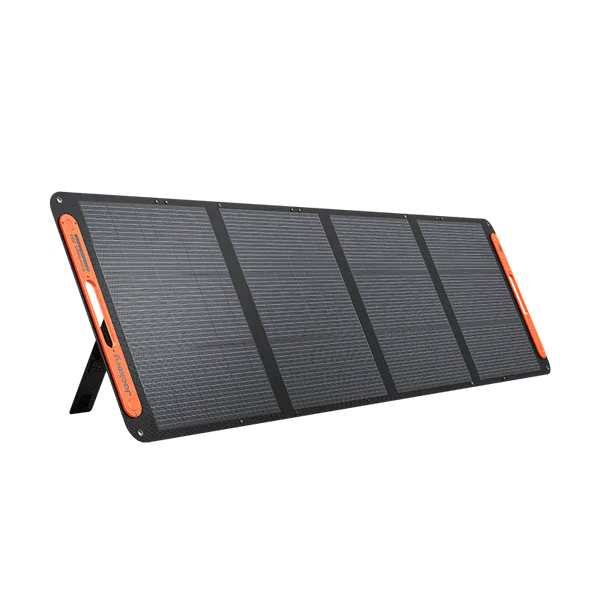
 200W Panel
 Smart Value
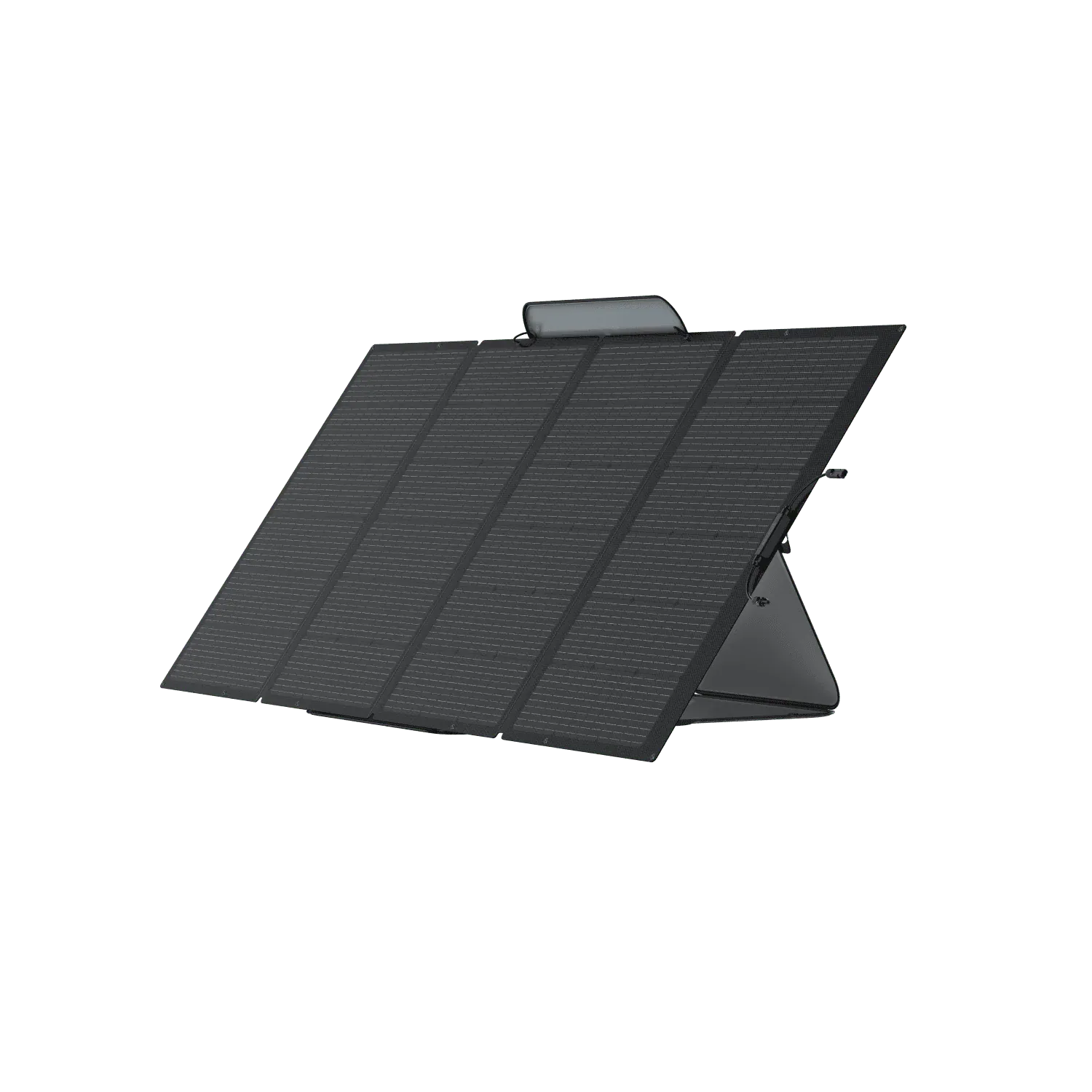
 400W Panel
Adapter required: MC4 -> DC8020.
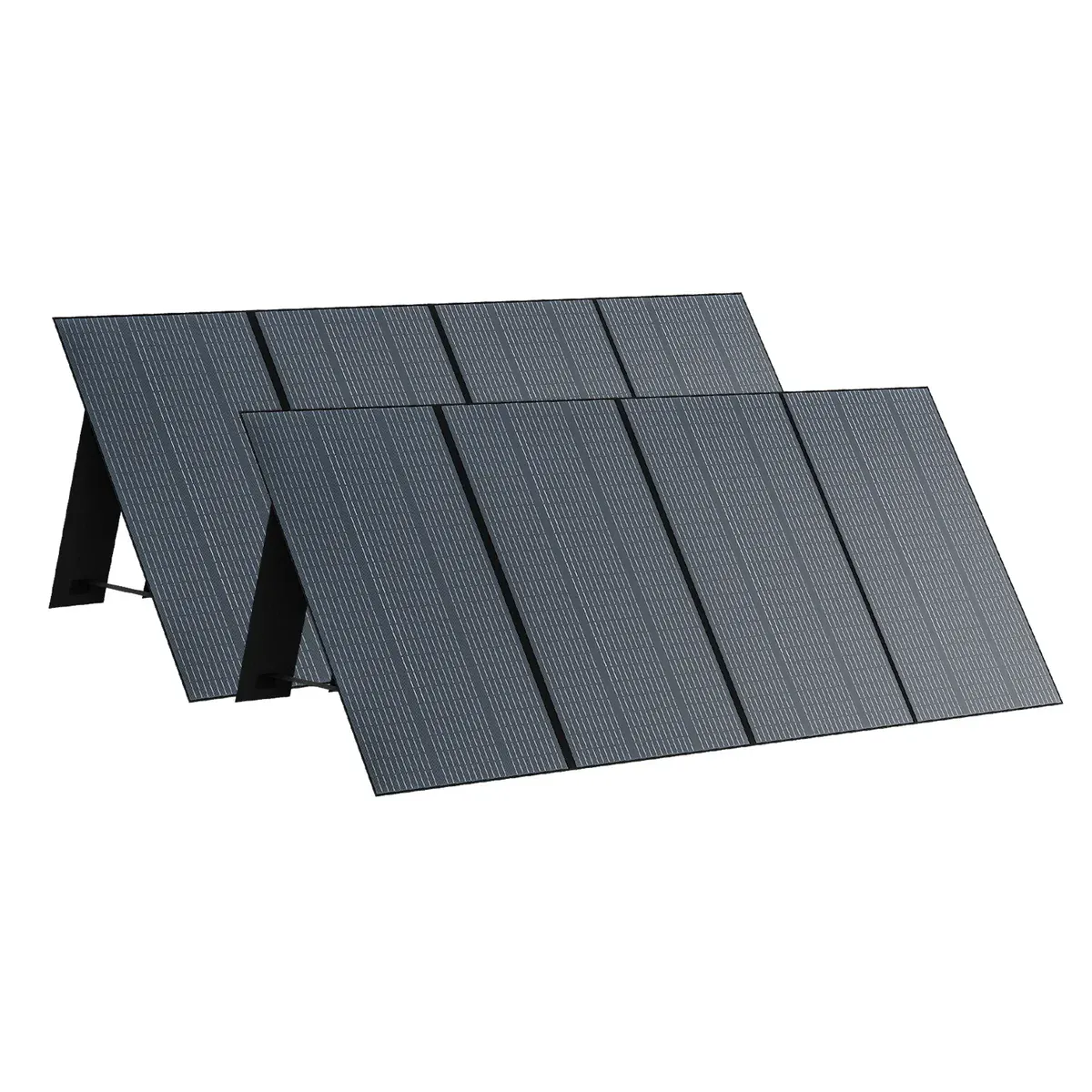 Smart Value
 350W Panel
Adapter required: MC4 -> DC8020.
Yes. The Jackery Explorer 2000 Plus provides 3000W running / 6000W surge. The EV Charger (Level 1, 120V) needs 1656W / 1656W (including 15% buffer). That leaves 1344W of running headroom and 4344W of surge margin.
Approximately 1.0 hours, based on the EV Charger (Level 1, 120V)'s 1440W draw and the Explorer 2000 Plus's 2042Wh capacity (70% usable after real-world losses).
With 955W allocated to the EV Charger (Level 1, 120V), the Explorer 2000 Plus still has ~5W of margin. These devices could run simultaneously:
Power Tip: To get the most out of your Explorer 2000 Plus, keep it in a well-ventilated area. Extreme temperatures can slightly reduce the efficiency of the LFP/NMC cells.
Compare all 33 generators for the EV Charger (Level 1, 120V)
Ranked by budget, runtime, and overall compatibility.
Derived from variant list (max of variants). All three variants draw 12A @ 120V = 1440W. Level 1 EVSEs are pass-through devices — the 12A limit is set by NEC 80% continuous rule on a 15A circuit (NEMA 5-15).
Jackery Explorer 2000 Plus Manual Specifications
Similar-output alternatives you can compare side by side.