1
Voltage Gate
PASSDevice output type must match generator output.
120V required -> 120V available
This pairing clears the safety headroom. Required ~115W running and 115W surge; the Explorer 1000 v2 is rated 1500W / 3000W.
Same decision gates as the engine: voltage, running, surge. Runtime is shown as operational context.
Device output type must match generator output.
120V required -> 120V available
Continuous draw with safety buffer applied.
115W required -> 1,500W available (1,385W headroom)
Startup peak with safety buffer applied.
115W required -> 3,000W available (2,885W headroom)
Runtime context only. It does not change the electrical compatibility verdict.
Continuous estimate: 7.5h
Device profile reference: up to 24h per day.
Power bars show required versus available output for each gate.
View full compatibility reportQuick compatibility, required headroom, and model-specific context at a glance.
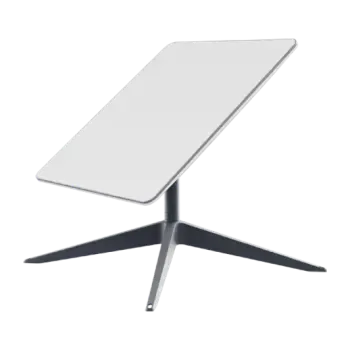
3 of 3 models are SAFE or TIGHT. Most demanding model: Starlink Standard (100W surge).
| Model | Running | Surge | Verdict | Runtime | Source |
|---|---|---|---|---|---|
| Starlink Standard | 100W | 100W | Safe | ~7.5h | OEM Manual |
Show expert analysisTechnical: **Running load:** 100 W. **Surge:** 100 W. **Voltage:** 120 V AC. No surge headroom required since startup and steady-state loads are identical. Field note: Starlink AC adapter draws full load continuously. Confirm power station AC inverter can sustain 100 W for the intended runtime without thermal cutoff. Can I run Starlink Standard off-grid continuously? Only if your power source can supply at least 100W continuous and 100W surge at 120V. | |||||
| Starlink Standard Actuated | 75W | 75W | Safe | ~10.0h | OEM Manual |
Show expert analysisTechnical: **Running load:** 75 W continuous. **Surge:** 75 W (no inrush). **Voltage:** 120 V AC required. Flat power profile, no motor or compressor. Field note: Check your power station's AC outlet rated continuous output. Some units derate below 100 W sustained load. Can I run this on a 500 Wh power station for a full day? Only if your power source can supply at least 75W continuous and 75W surge at 120V. It depends on total capacity and inverter efficiency. 1800 Wh daily demand exceeds a 500 Wh battery, requiring solar input or recharging mid-cycle. | |||||
| Starlink Mini | 40W | 40W | Safe | ~18.7h | OEM Manual |
Show expert analysisTechnical: **Running load:** 40 W, **surge:** 40 W, **voltage:** 120 V AC. No inrush spike. Constant resistive draw throughout operation. Field note: Starlink Mini ships with a USB-C power supply. Verify AC adapter spec if using inverter output instead of native DC from power station. Can I run Starlink Mini on a portable power station continuously? Only if your power source can supply at least 40W continuous and 40W surge at 120V. | |||||
This unit ranks #14 of 33 compatible generators for this device by buffered margin (Overkill class).
33 of 33 generators are SAFE+TIGHT for Starlink System.
Fit class uses buffered needs (running and surge) for this device.
Off-Grid Internet
Select Your Model:
Free Tools
This unit can handle typical compressor-based loads like refrigerators and window AC units where startup surge falls within the 3000W envelope. The 1070Wh capacity supports moderate runtime on continuous loads under 1500W. It can start most residential sump pumps and small well pumps where inrush demand does not exceed the rated surge threshold.
LFP chemistry provides a stable platform for managing high-current transients during motor startup events. The 3000W surge rating allows the unit to absorb brief inrush currents without shutdown, though users must verify compatibility with specific appliances. Source: Jackery Explorer 1000 v2 User Manual (Sept 2024) (manufacturer documentation).
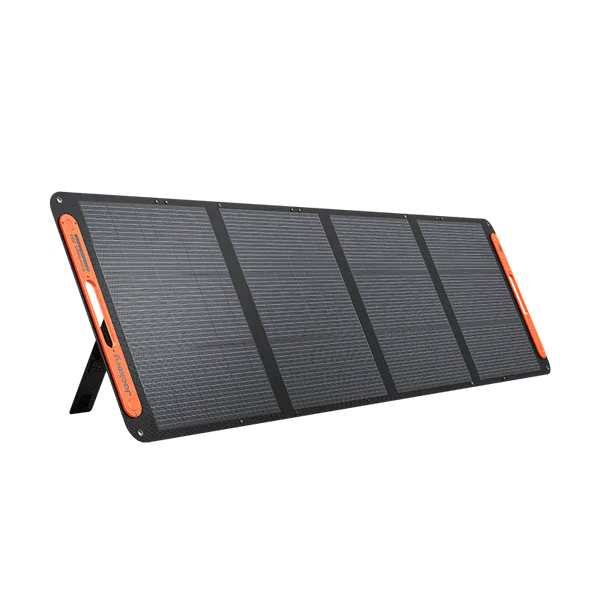
Keep your Starlink System running with solar • MPPT: 16– 60V • Max: 400W
 Official
 200W Panel
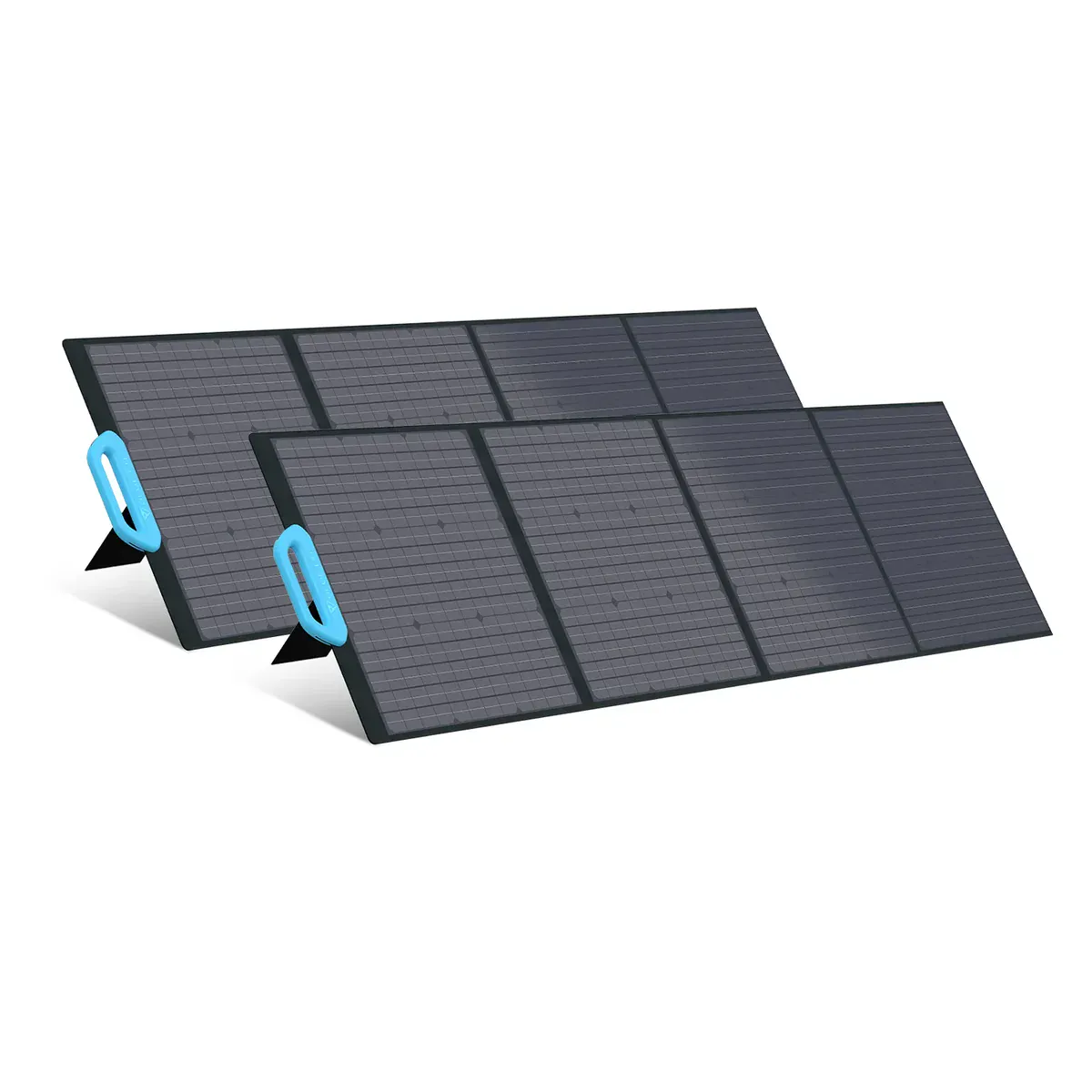 Smart Value
 200W Panel
Adapter required: MC4 -> DC8020.
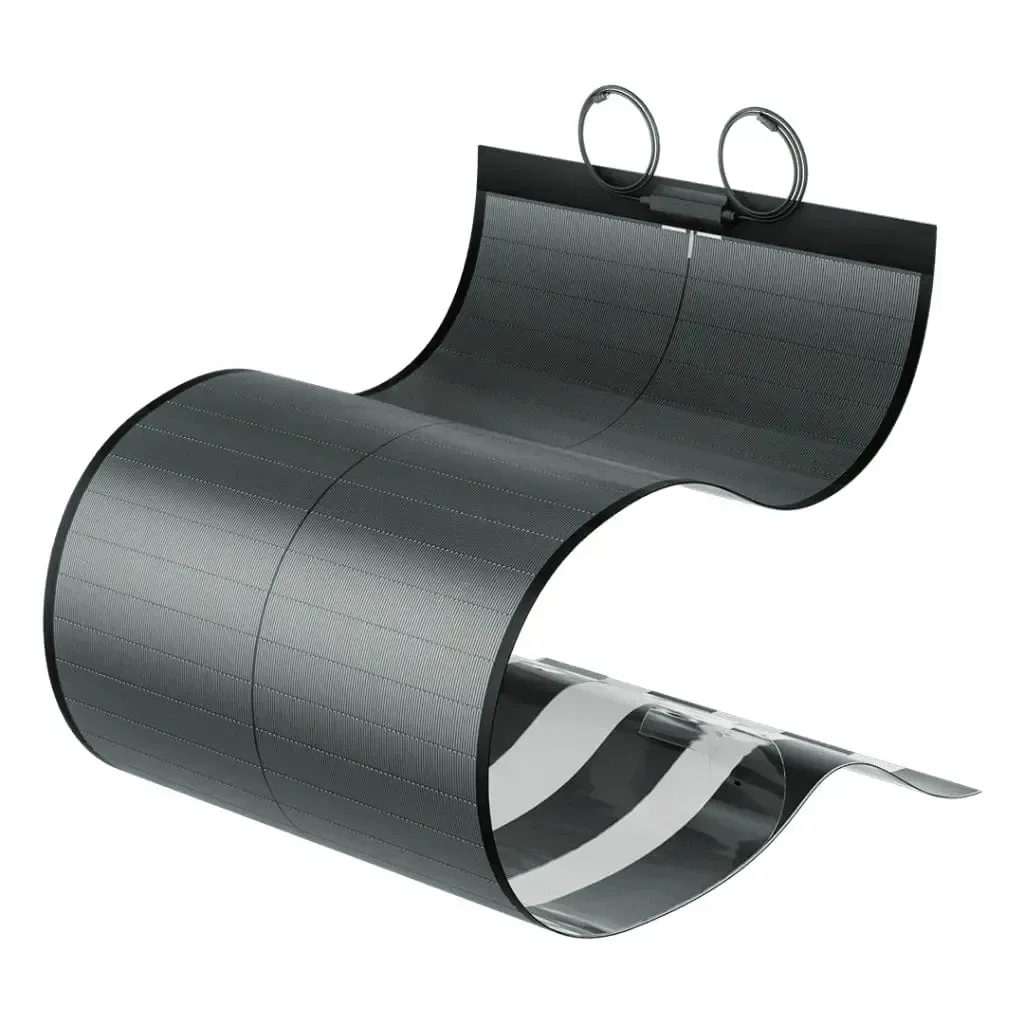 Smart Value
 200W Panel
Adapter required: MC4 -> DC8020.
Yes. The Jackery Explorer 1000 v2 provides 1500W running / 3000W surge. The Starlink System needs 115W / 115W (including 15% buffer). That leaves 1385W of running headroom and 2885W of surge margin.
Approximately 7.5 hours, based on the Starlink System's 100W draw and the Explorer 1000 v2's 1070Wh capacity (70% usable after real-world losses).
With 420W allocated to the Starlink System, the Explorer 1000 v2 still has ~680W of margin. These devices could run simultaneously:
Power Tip: To get the most out of your Explorer 1000 v2, keep it in a well-ventilated area. Extreme temperatures can slightly reduce the efficiency of the LFP/NMC cells.
Compare all 33 generators for the Starlink System
Ranked by budget, runtime, and overall compatibility.
Derived from variant list (max of variants). Running worst case = Starlink Standard (100W). Surge worst case = Starlink Standard (100W).
Jackery Explorer 1000 v2 User Manual (Sept 2024)
Similar-output alternatives you can compare side by side.