1
Voltage Gate
PASSDevice output type must match generator output.
120V required -> 120V available
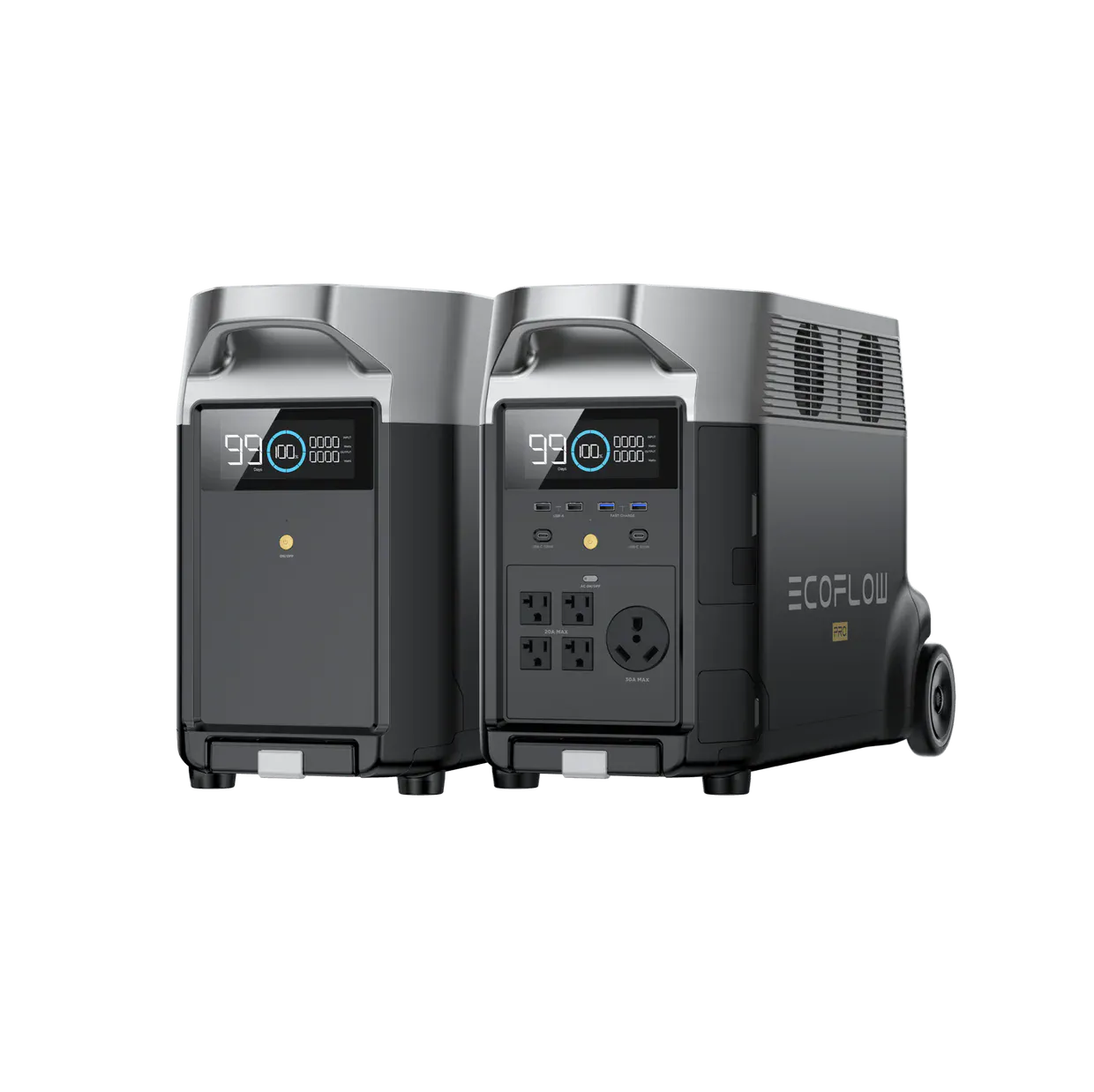
This pairing clears the safety headroom. Required ~1217W running and 2795W surge; the Yeti Pro 4000 is rated 3600W / 7200W.
Same decision gates as the engine: voltage, running, surge. Runtime is shown as operational context.
Device output type must match generator output.
120V required -> 120V available
Continuous draw with safety buffer applied.
1,217W required -> 3,600W available (2,383W headroom)
Startup peak with safety buffer applied.
2,795W required -> 7,200W available (4,405W headroom)
Alternative startup path with reduced inrush.
1,258W required -> 7,200W available (5,942W headroom)
Runtime context only. It does not change the electrical compatibility verdict.
Continuous estimate: 2.6h
Device profile reference: up to 8h per day.
Power bars show required versus available output for each gate.
View full compatibility reportQuick compatibility, required headroom, and model-specific context at a glance.
3 of 3 models are SAFE or TIGHT. Most demanding model: Goodman GMH8 0805B (80,000 BTU) (2,430W surge).
| Model | Running | Surge | Verdict | Runtime | Source |
|---|---|---|---|---|---|
| Carrier Infinity 59MN7A 080 (80,000 BTU) | 886W | 1,461W | Safe | ~3.2h | OEM Manual |
Show expert analysisTechnical: **Running load:** 886W (115V × 7.7A FLA, OEM rated). **Surge:** 1,461W (115V × 12.7A start amps, OEM rated). **Voltage:** 120V AC. The ECM variable speed blower ramps up electronically with a controlled startup — the 1,461W surge is brief and predictable. Field note: The Carrier Infinity is the most generator-friendly furnace blower in this comparison. The ECM variable speed motor keeps both running and surge watts low. Most power stations above 1,500W can handle this unit without issue. Can I run a Carrier Infinity furnace on a portable power station during a winter outage? Only if your power source can supply at least 886W continuous and 1,461W surge at 120V. The ECM variable speed blower has a controlled startup that most mid-size power stations can handle. | |||||
| Trane S8X1 B080 (80,000 BTU) | 1,058W | 1,587W | Safe | ~2.6h | Engineering Est. |
Show expert analysisTechnical: **Running load:** 1,058W (115V × 9.2A FLA, OEM rated). **Surge:** 1,587W estimated (1.5× for ECM constant torque motor — OEM start amps not published). **Voltage:** 120V AC. The 3/4 HP constant torque ECM blower draws more than the Carrier variable speed but still benefits from electronic startup control. Field note: The Trane S8X1 is a mid-range 80% AFUE furnace common in existing homes. The 9-speed ECM blower is more efficient than old PSC motors but draws more than premium variable speed models. A 2,000W power station provides adequate headroom. Can I keep my Trane furnace running on battery backup during a winter storm? Only if your power source can supply at least 1,058W continuous and 1,587W surge at 120V. The ECM blower has a moderate startup demand that most 2,000W+ power stations can handle. | |||||
| Goodman GMH8 0805B (80,000 BTU) | 810W | 2,430W | Safe | ~3.5h | NEC Standard |
Show expert analysisTechnical: **Running load:** 810W (derived from OEM Min Circuit Ampacity 8.8A de-rated by NEC 1.25× factor). **Surge:** 2,430W (3× running per NEC for PSC induction motor — OEM LRA not published). **Voltage:** 120V AC. The 4-speed PSC motor creates a hard mechanical inrush on every startup — three times the running load. Field note: The Goodman GMH8 represents millions of builder-grade furnaces installed across the US. The PSC motor surge is the critical factor — running watts are actually lower than ECM models, but the 2,430W startup spike will trip any power station under 2,500W. This is the #1 reason furnace blowers fail on small generators. Why does my power station shut off when the Goodman furnace blower starts? Because the PSC blower motor creates a 2,430W startup surge — 3× its 810W running draw. Most power stations under 2,500W surge capacity will trip on this inrush. You need a station rated for at least 2,430W surge to handle it reliably. | |||||
This unit ranks #18 of 22 compatible generators for this device by buffered margin (Overkill class).
22 of 33 generators are SAFE+TIGHT for Gas Furnace Fan (Blower).
Fit class uses buffered needs (running and surge) for this device.
Winter Heating Emergency
Select Your Model:
These systems are often hardwired to a home panel. To run them from a portable station, you may need a transfer switch installed by an electrician. You cannot just plug it in.
Free Tools
The 7200 W surge can handle typical compressor-based appliances like well pumps, refrigerators, and air conditioning startup events on 120V circuits. The 3600 W continuous rating supports sustained operation once inrush currents settle, making this unit a strong option for heavy 120V backup loads.
This unit uses LFP chemistry and draws from manufacturer documentation for its output specifications. The 7200 W surge rating reflects the inverter's transient capacity, not a thermal or safety certification. Source: Goal Zero Yeti Pro 4000 User Manual (Output Specifications) (manufacturer documentation).
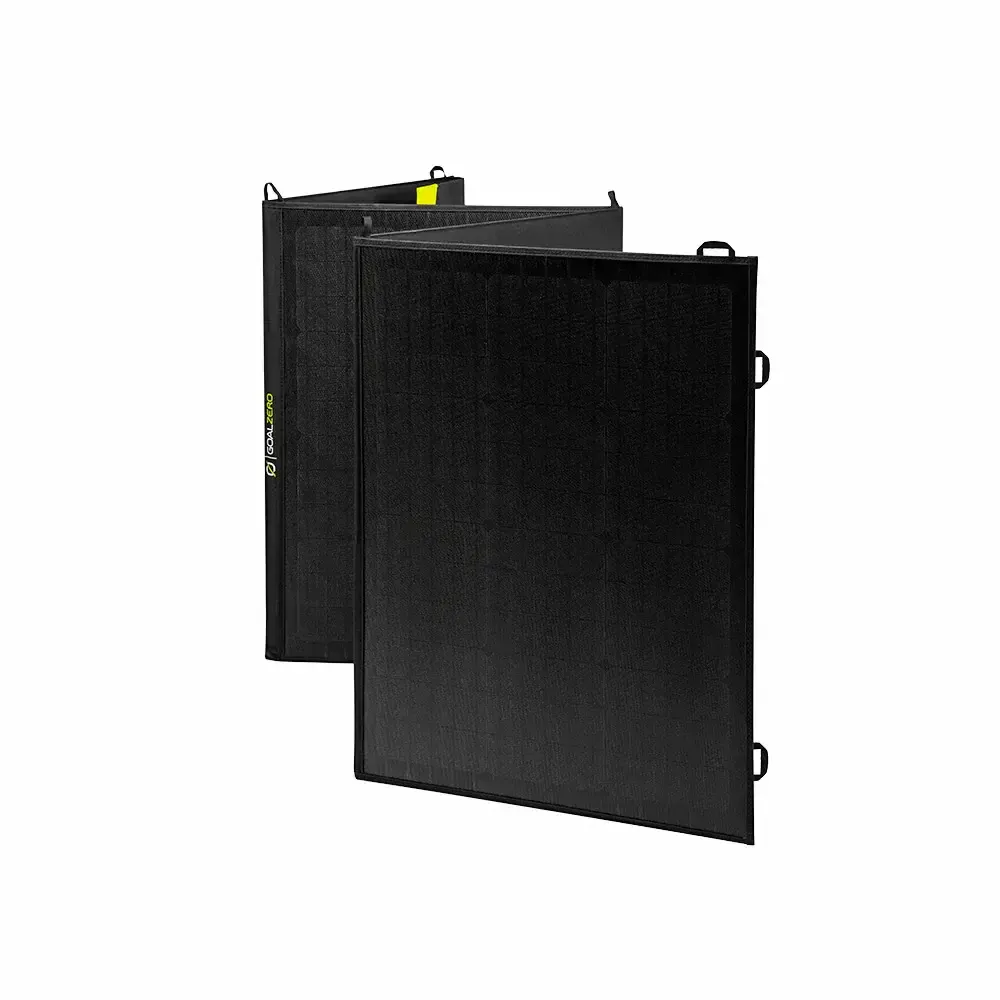
Keep your Gas Furnace Fan (Blower) running with solar • MPPT: 13.3– 145V • Max: 3000W
 Official
 200W Panel
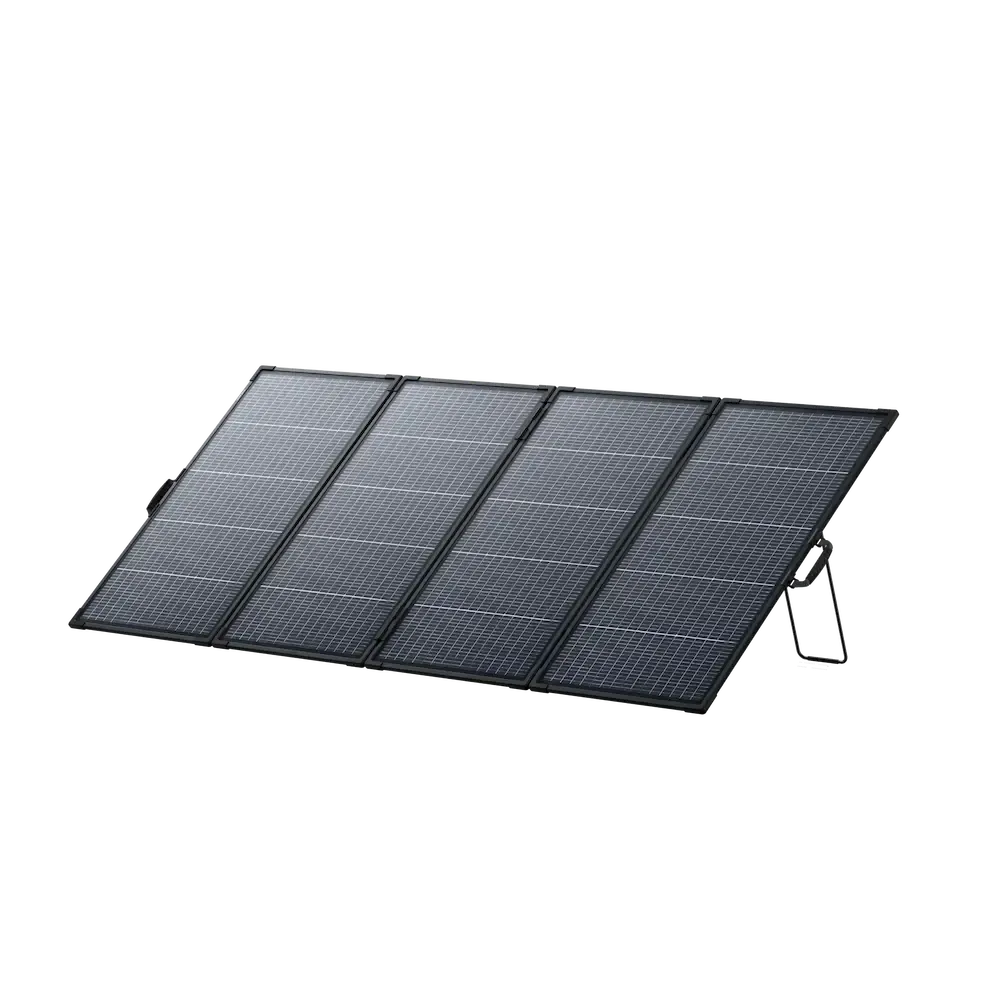 Smart Value
 400W Panel
Adapter required: MC4 -> HPP+.
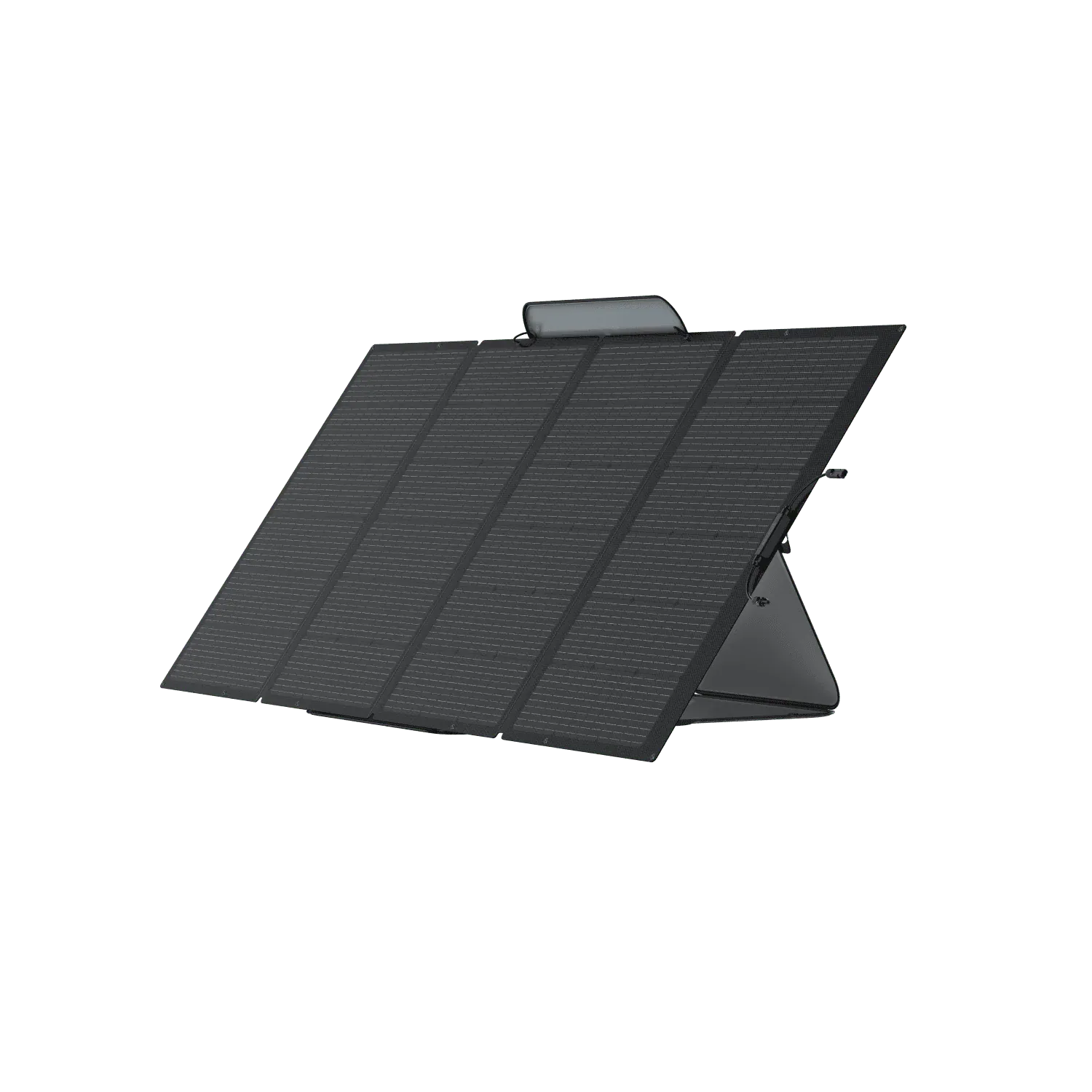 Smart Value
 400W Panel
Adapter required: MC4 -> HPP+.
Yes. The Goal Zero Yeti Pro 4000 provides 3600W running / 7200W surge. The Gas Furnace Fan (Blower) needs 1217W / 2795W (including 15% buffer). That leaves 2383W of running headroom and 4405W of surge margin.
Approximately 2.6 hours, based on the Gas Furnace Fan (Blower)'s 1058W draw and the Yeti Pro 4000's 3993.6Wh capacity (70% usable after real-world losses).
With 1005W allocated to the Gas Furnace Fan (Blower), the Yeti Pro 4000 still has ~817W of margin. These devices could run simultaneously:
Power Tip: To get the most out of your Yeti Pro 4000, keep it in a well-ventilated area. Extreme temperatures can slightly reduce the efficiency of the LFP/NMC cells.
Compare all 33 generators for the Gas Furnace Fan (Blower)
Ranked by budget, runtime, and overall compatibility.
Derived from variant list (max of variants). Worst case running = Trane S8X1 B080 (1058W). Worst case surge = Goodman GMH8 080 (2430W). Running and surge maxima come from different variants due to ECM vs PSC motor technology.
Goal Zero Yeti PRO 4000 (120V) User Guide
Similar-output alternatives you can compare side by side.