1
Voltage Gate
PASSDevice output type must match generator output.
120V required -> 120V available
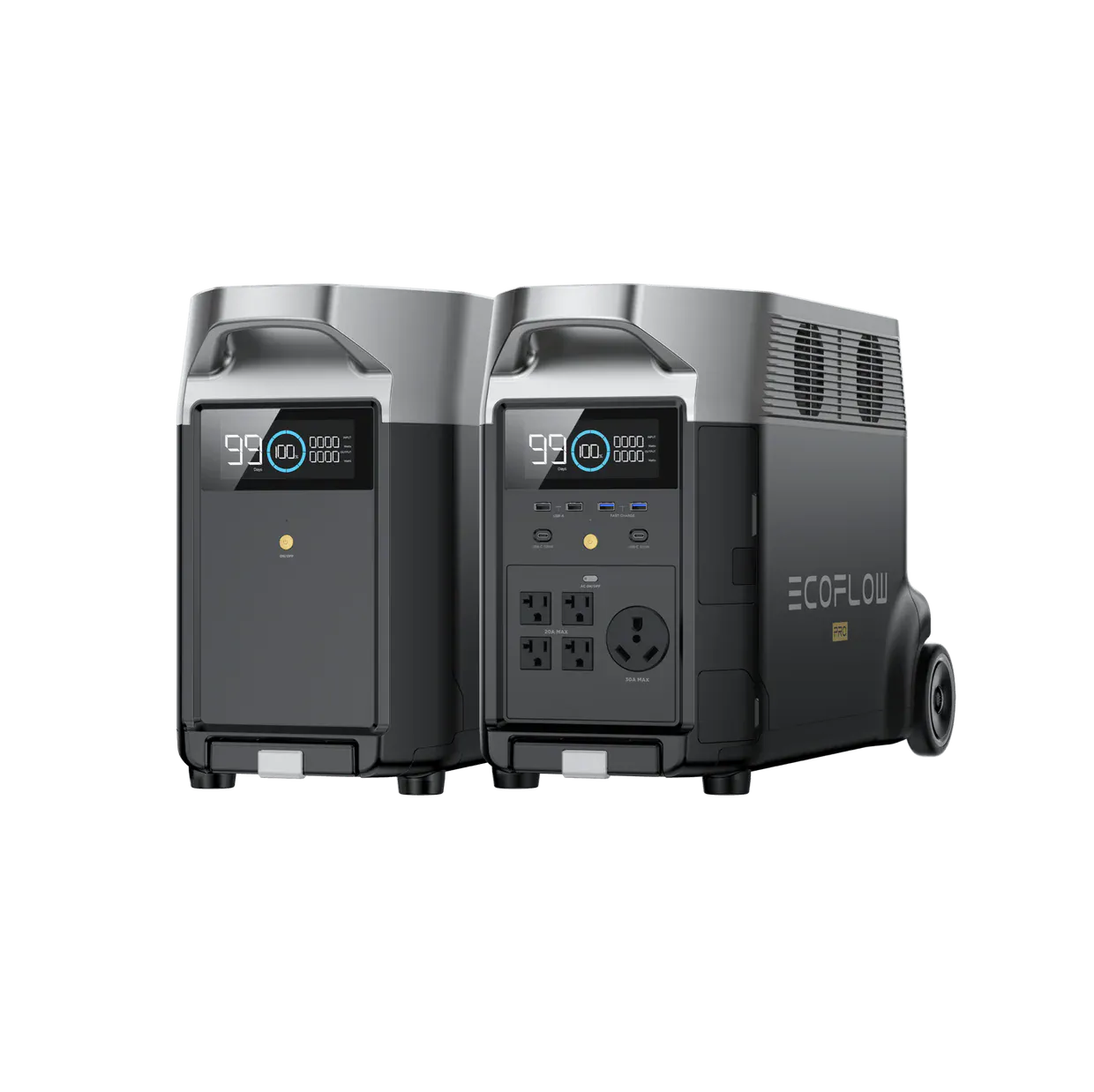
This pairing clears the safety headroom. Required ~1981W running and 1981W surge; the Yeti Pro 4000 is rated 3600W / 7200W.
Same decision gates as the engine: voltage, running, surge. Runtime is shown as operational context.
Device output type must match generator output.
120V required -> 120V available
Continuous draw with safety buffer applied.
1,981W required -> 3,600W available (1,619W headroom)
Startup peak with safety buffer applied.
1,981W required -> 7,200W available (5,219W headroom)
Runtime context only. It does not change the electrical compatibility verdict.
Continuous estimate: 1.6h
Device profile reference: up to 1h per day.
Power bars show required versus available output for each gate.
View full compatibility reportQuick compatibility, required headroom, and model-specific context at a glance.
3 of 3 models are SAFE or TIGHT. Most demanding model: Duxtop Portable Induction Cooktop (1800W) (1,800W surge).
| Model | Running | Surge | Verdict | Runtime | Source |
|---|---|---|---|---|---|
| Duxtop Portable Induction Cooktop (1800W) | 1,800W | 1,800W | Safe | ~1.6h | OEM Manual |
Show expert analysisTechnical: **Running load:** 1800 W. **Surge:** 1800 W (resistive heating element, no inrush spike). **Voltage:** 120 V AC required. Power station must sustain 1800 W continuous output on AC inverter. Field note: Verify power station inverter rating is at least 2000 W continuous to allow headroom. Resistive load provides stable draw without cyclic spikes. Can I run this induction cooktop on a 1500 W power station? Only if your power source can supply at least 1800W continuous and 1800W surge at 120V. | |||||
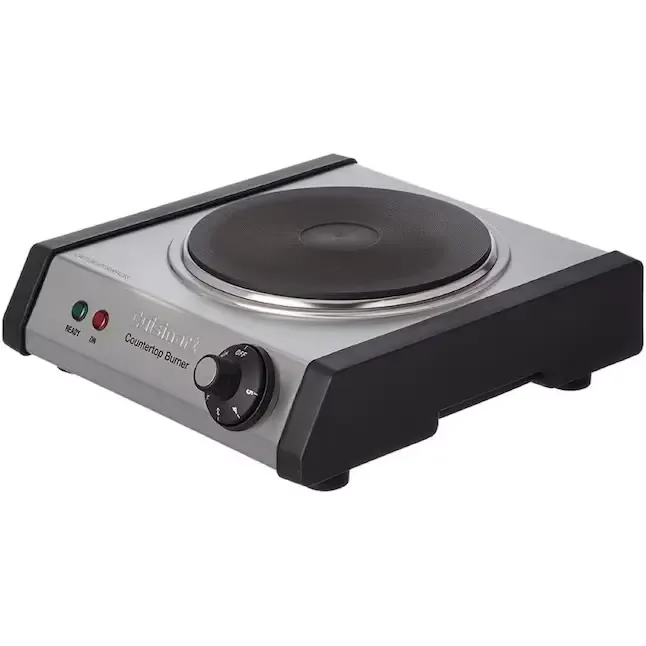
| Cuisinart CB-30 Cast-Iron Single Burner | 1,300W | 1,300W | Safe | ~2.2h | OEM Manual |
Show expert analysisTechnical: **Running load:** 1300 W at 120V. **Surge:** 1300 W (resistive heating element, no motor startup). Requires power station with continuous 1300 W rating and 120V AC outlet. Field note: Verify power station continuous output meets or exceeds 1300 W. Insufficient headroom will trigger overload shutdown during cooking. Can I use this burner with a 1000W power station? Only if your power source can supply at least 1300W continuous and 1300W surge at 120V. | |||||
| Ovente BGC101S Single Electric Burner | 1,000W | 1,000W | Safe | ~2.8h | OEM Manual |
Show expert analysisTechnical: **Running load:** 1000 W. **Surge:** 1000 W. **Voltage:** 120 V AC. Resistive heating element draws steady current with no inrush spike. Power station must supply clean 120 V output and sustain 1000 W continuous. Field note: Verify power station AC outlet delivers rated continuous output. Undersized inverters will overheat or shut down under sustained resistive load. Can I use this burner with a 500 Wh portable power station? Only if your power source can supply at least 1000W continuous and 1000W surge at 120V. Runtime would be approximately 30 minutes before depletion, provided inverter does not thermally limit first. | |||||
This unit ranks #17 of 21 compatible generators for this device by buffered margin (Overkill class).
21 of 33 generators are SAFE+TIGHT for Electric Stove (Single Burner).
Fit class uses buffered needs (running and surge) for this device.
Portable Cooking
Select Your Model:
This load may exceed a standard 15A outlet. Verify your station has a higher-amperage outlet (20A/30A) before purchase.
Free Tools
The 7200 W surge can handle typical compressor-based appliances like well pumps, refrigerators, and air conditioning startup events on 120V circuits. The 3600 W continuous rating supports sustained operation once inrush currents settle, making this unit a strong option for heavy 120V backup loads.
This unit uses LFP chemistry and draws from manufacturer documentation for its output specifications. The 7200 W surge rating reflects the inverter's transient capacity, not a thermal or safety certification. Source: Goal Zero Yeti Pro 4000 User Manual (Output Specifications) (manufacturer documentation).
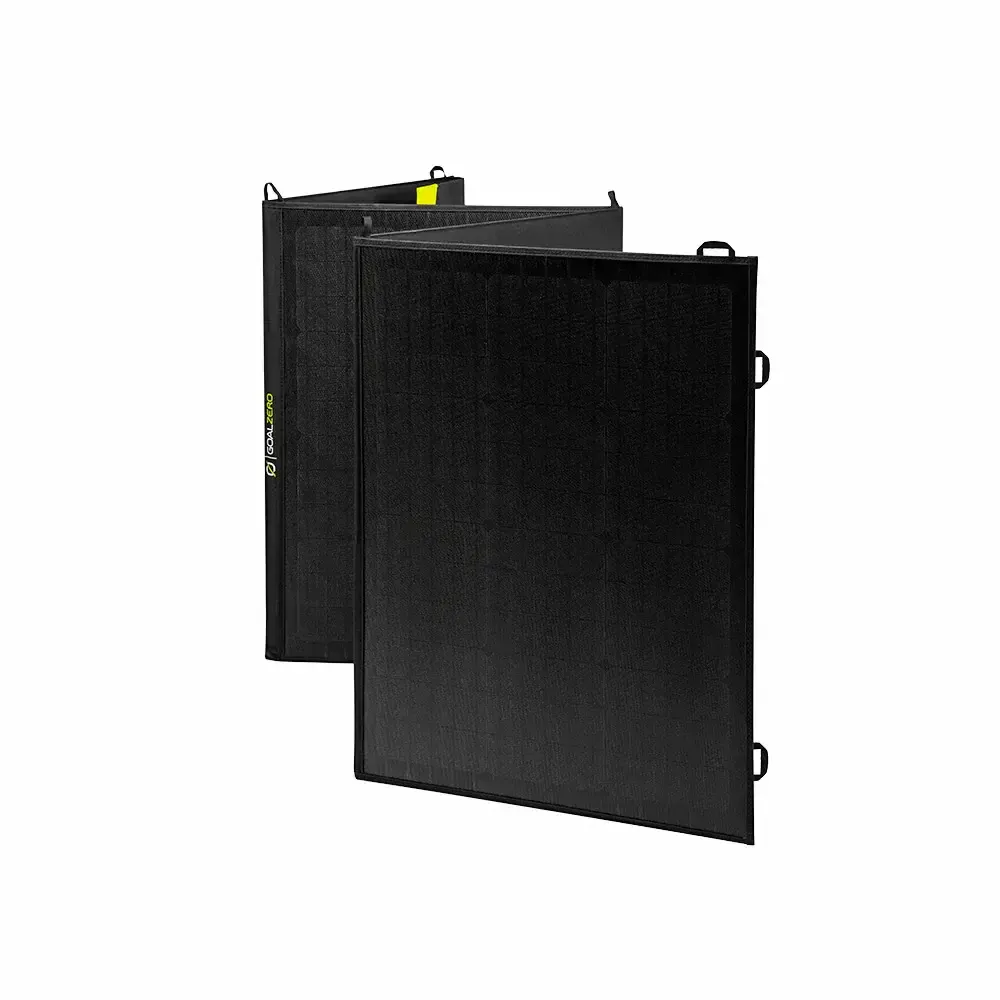
Keep your Electric Stove (Single Burner) running with solar • MPPT: 13.3– 145V • Max: 3000W
 Official
 200W Panel
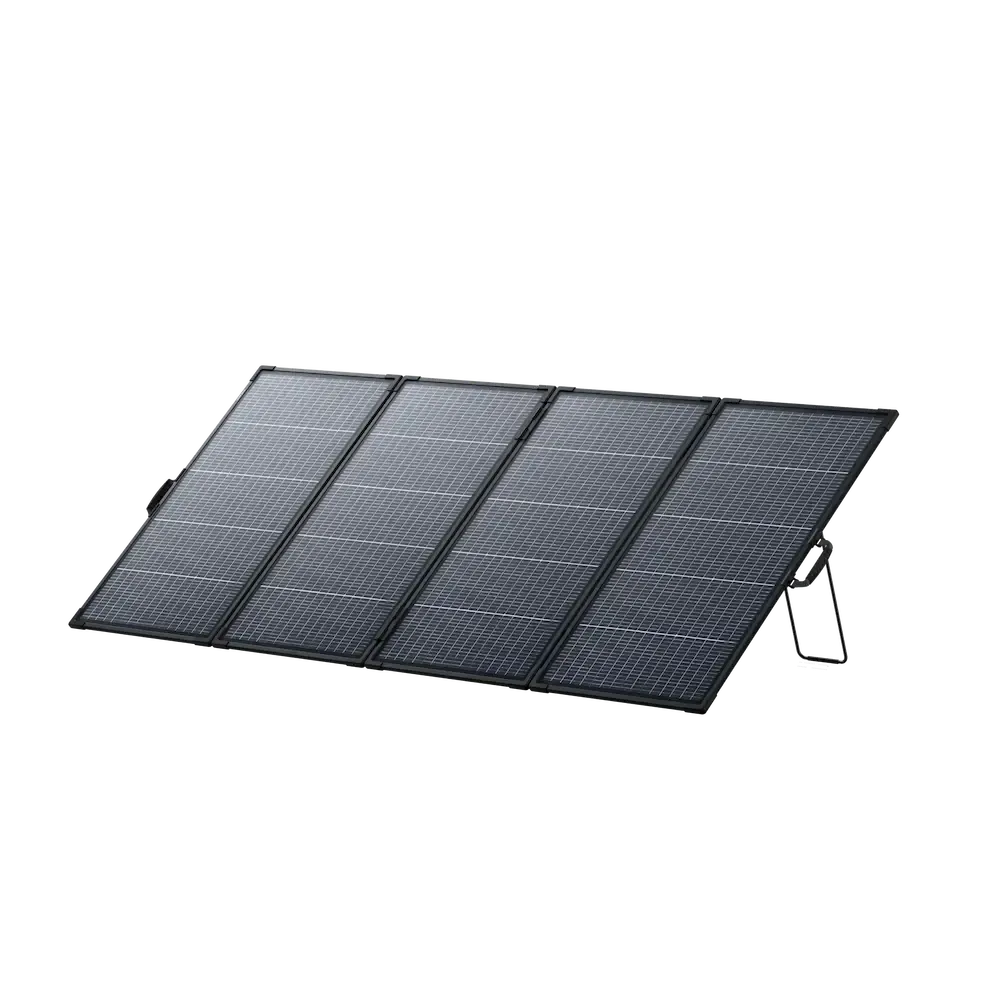 Smart Value
 400W Panel
Adapter required: MC4 -> HPP+.
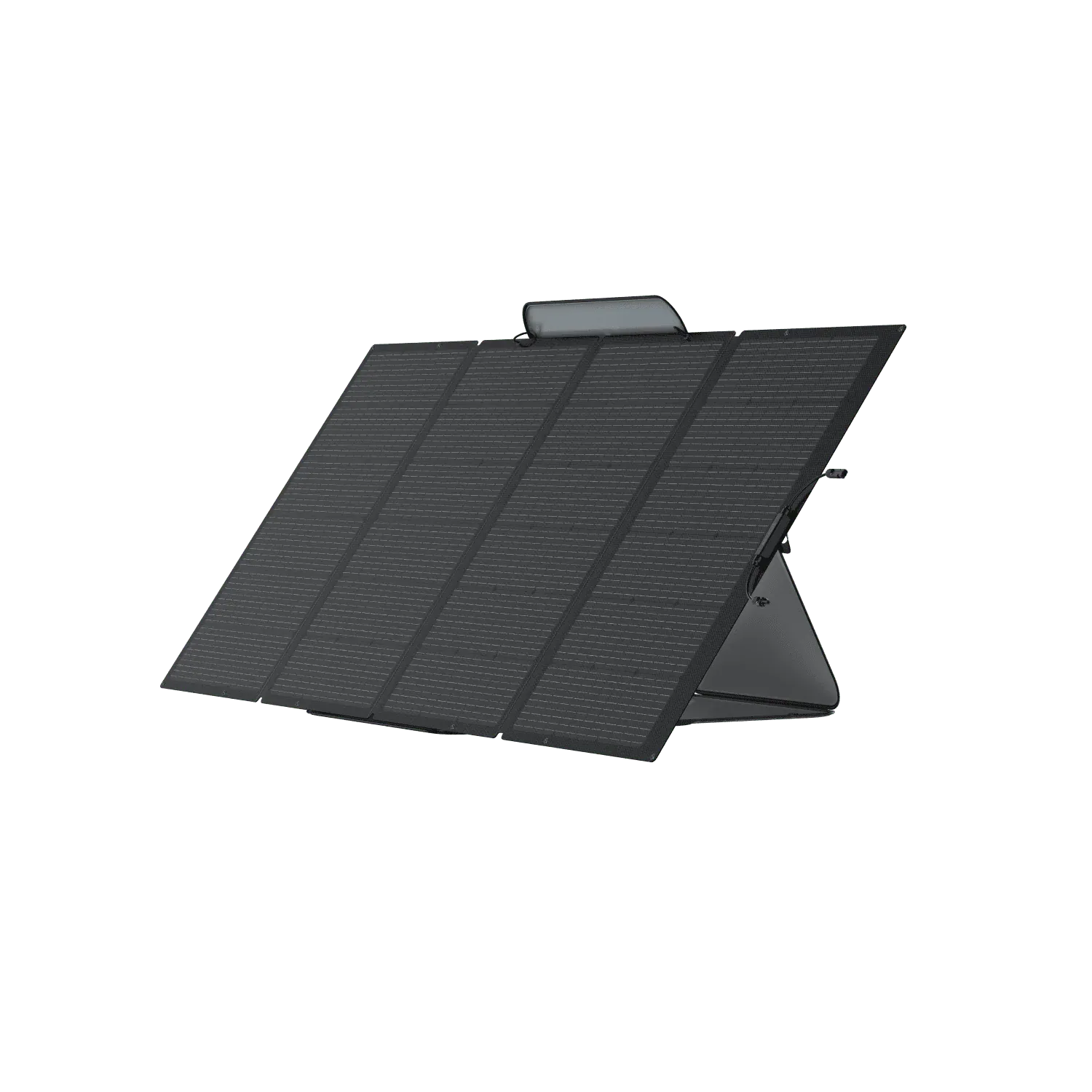 Smart Value
 400W Panel
Adapter required: MC4 -> HPP+.
Yes. The Goal Zero Yeti Pro 4000 provides 3600W running / 7200W surge. The Electric Stove (Single Burner) needs 1981W / 1981W (including 10% buffer). That leaves 1619W of running headroom and 5219W of surge margin.
Approximately 1.6 hours, based on the Electric Stove (Single Burner)'s 1800W draw and the Yeti Pro 4000's 3993.6Wh capacity (70% usable after real-world losses).
With 1065W allocated to the Electric Stove (Single Burner), the Yeti Pro 4000 still has ~15W of margin. These devices could run simultaneously:
Efficiency Hack: Large appliances like the Electric Stove (Single Burner) cycle on and off. To maximize the 1.6 hours of runtime, try to minimize how often you open the device or introduce heat loads.
Compare all 33 generators for the Electric Stove (Single Burner)
Ranked by budget, runtime, and overall compatibility.
Derived from variant list (max of variants). Running worst case = Duxtop Portable Induction Cooktop 1800W (1800W). Surge = running (resistive heating element — no motor inrush).
Goal Zero Yeti PRO 4000 (120V) User Guide
Similar-output alternatives you can compare side by side.