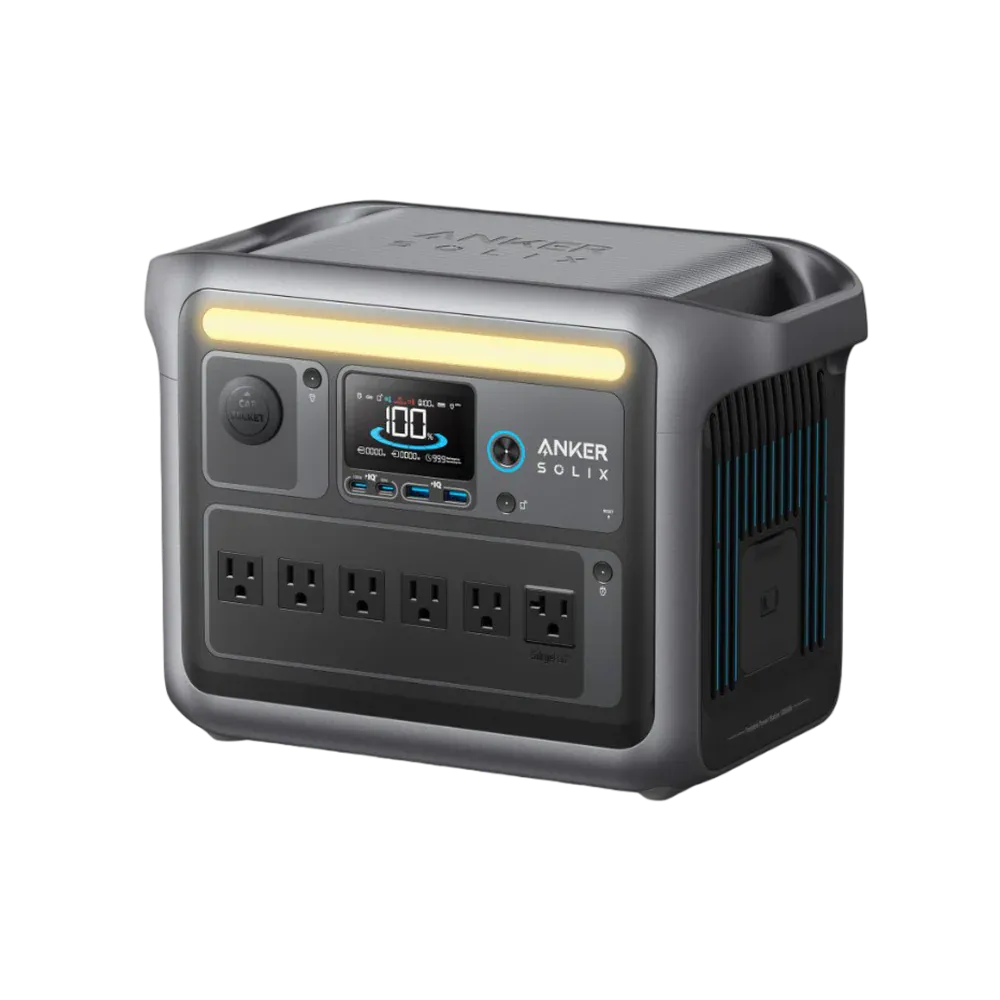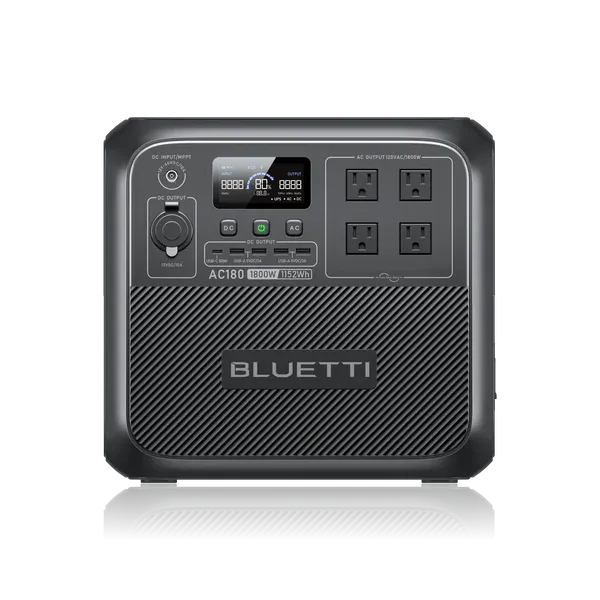
1
Voltage Gate
PASSDevice output type must match generator output.
120V required -> 120V available
This pairing clears the safety headroom. Required ~1651W running and 1651W surge; the Yeti 1500X is rated 2000W / 3500W.
Same decision gates as the engine: voltage, running, surge. Runtime is shown as operational context.
Device output type must match generator output.
120V required -> 120V available
Continuous draw with safety buffer applied.
1,651W required -> 2,000W available (349W headroom)
Startup peak with safety buffer applied.
1,651W required -> 3,500W available (1,849W headroom)
Runtime context only. It does not change the electrical compatibility verdict.
Continuous estimate: 0.7h
Device profile reference: up to 0.2h per day.
Power bars show required versus available output for each gate.
View full compatibility reportQuick compatibility, required headroom, and model-specific context at a glance.
3 of 3 models are SAFE or TIGHT. Most demanding model: Revolution R180S InstaGLO (2-Slice, 1500W, High-Speed) (1,500W surge).
| Model | Running | Surge | Verdict | Runtime | Source |
|---|---|---|---|---|---|
| BLACK+DECKER TR1256W (2-Slice, 850W, Budget) | 850W | 850W | Safe | ~1.2h | OEM Verified |
Show expert analysisTechnical: **Running load:** 850W. **Surge:** 850W (resistive — no inrush). **Voltage:** 120V AC. Pure heating element load with flat power draw from the moment you push the lever down. Field note: The TR1256W is the #1 selling 2-slice toaster on Amazon US. At 850W it runs comfortably on any power station rated 1000W or above. The short duty cycle (minutes, not hours) means energy consumption is negligible even on small batteries. Can I run the BLACK+DECKER TR1256W on a small power station? Only if your power source can supply at least 850W continuous at 120V. Most stations rated 1000W or above handle this with margin to spare. | |||||
| SMEG TSF01 (2-Slice, 980W, Retro Design) | 980W | 980W | Safe | ~1.1h | OEM Verified |
Show expert analysisTechnical: **Running load:** 980W. **Surge:** 980W (resistive — no inrush). **Voltage:** 120V AC. Italian-designed retro toaster with stainless steel body. Pure resistive load — power draw is constant from lever-down to pop-up. Field note: The SMEG TSF01 is the critical test case in this set. At 980W, it sits right at the edge of 1000W-rated power stations. Some inverters that advertise 1000W continuous derate under sustained load or at high ambient temperature — this toaster will expose that. If your station handles the SMEG, it handles any toaster under 1000W. Can I run the SMEG TSF01 on a 1000W power station? Only if your power source can supply at least 980W continuous at 120V. A 1000W-rated station has only 20W of headroom — some inverters may trip under sustained load near their maximum. A 1200W+ station is safer. | |||||
| Revolution R180S InstaGLO (2-Slice, 1500W, High-Speed) | 1,500W | 1,500W | Safe | ~0.7h | OEM Verified |
Show expert analysisTechnical: **Running load:** 1500W. **Surge:** 1500W (resistive — no inrush). **Voltage:** 120V AC. Uses patented InstaGLO heating technology (infrared elements) instead of traditional nichrome wire. Draws the maximum wattage a standard US 15A outlet allows. Field note: The R180S is the stress test in this set. At 1500W it maxes out a standard 15A circuit and eliminates any power station under 1800W continuous rating (you need headroom above the load). The silver lining: InstaGLO toasts in under a minute, so the high-wattage draw is extremely brief. Total energy per toast is actually comparable to the slower 850W BLACK+DECKER. Can a portable power station run the Revolution R180S? Only if your power source can supply at least 1500W continuous at 120V. Most mid-range stations (1000-1500W) cannot — you need a station rated 1800W or above for safe operation. | |||||
This unit ranks #8 of 23 compatible generators for this device by buffered margin (Overkill class).
23 of 33 generators are SAFE+TIGHT for 2-Slice Bread Toaster.
Fit class uses buffered needs (running and surge) for this device.
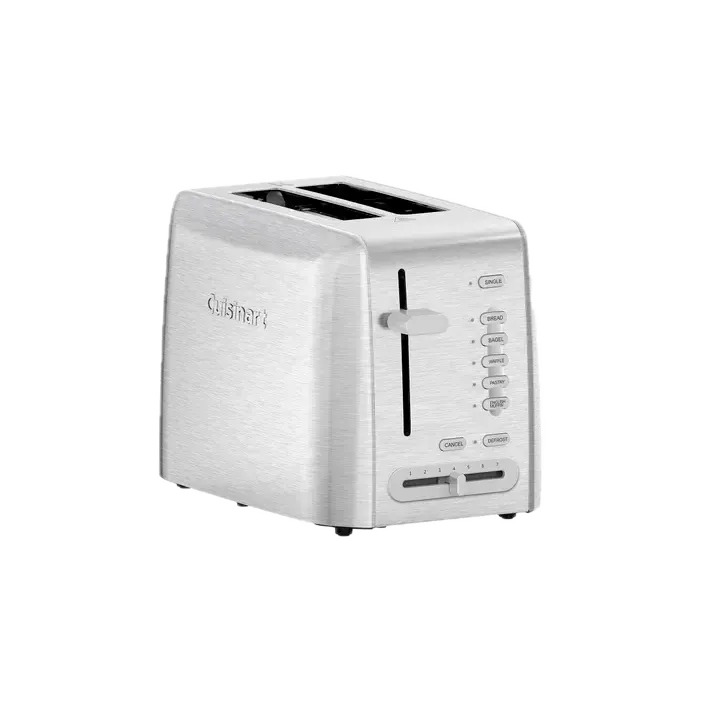
Breakfast Prep
Select Your Model:
Free Tools
Keep your 2-Slice Bread Toaster running with solar • MPPT: 14– 50V • Max: 600W
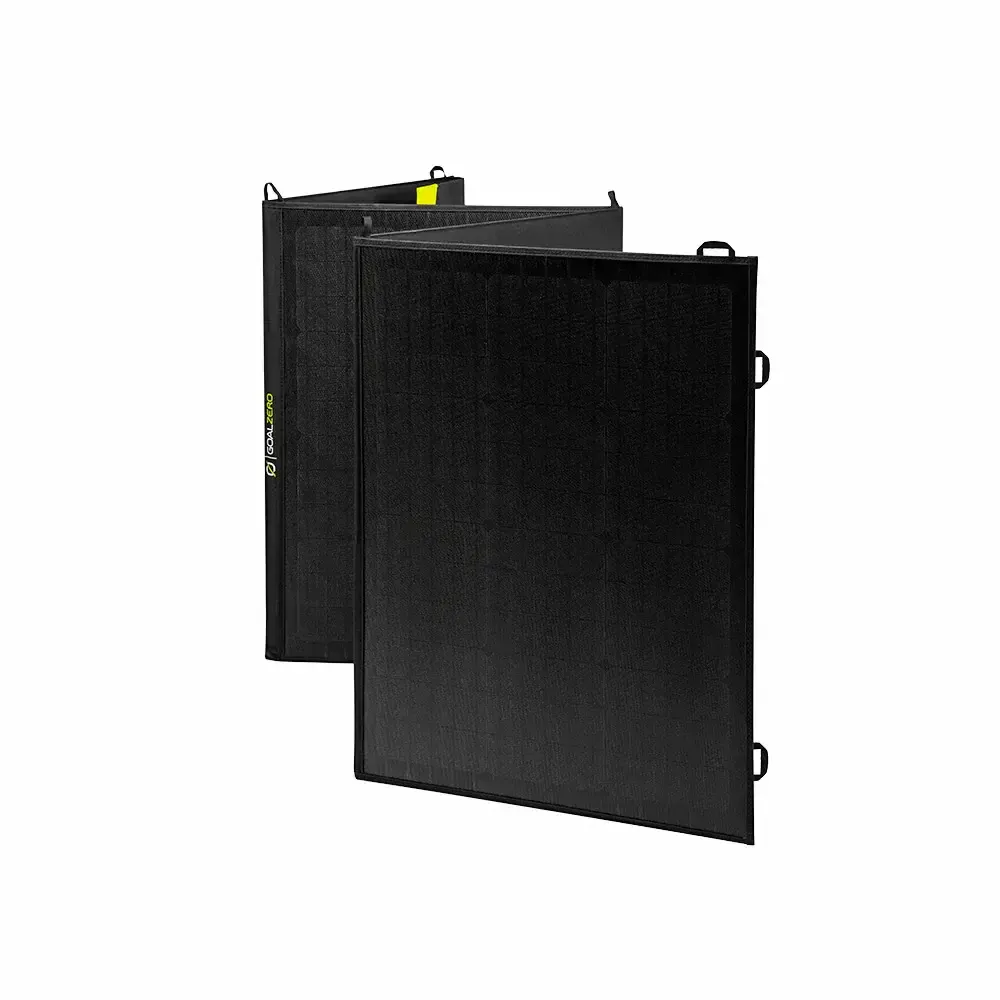 Official
 200W Panel
Adapter required: Goal Zero proprietary -> Anderson adapter required.
 Smart Value
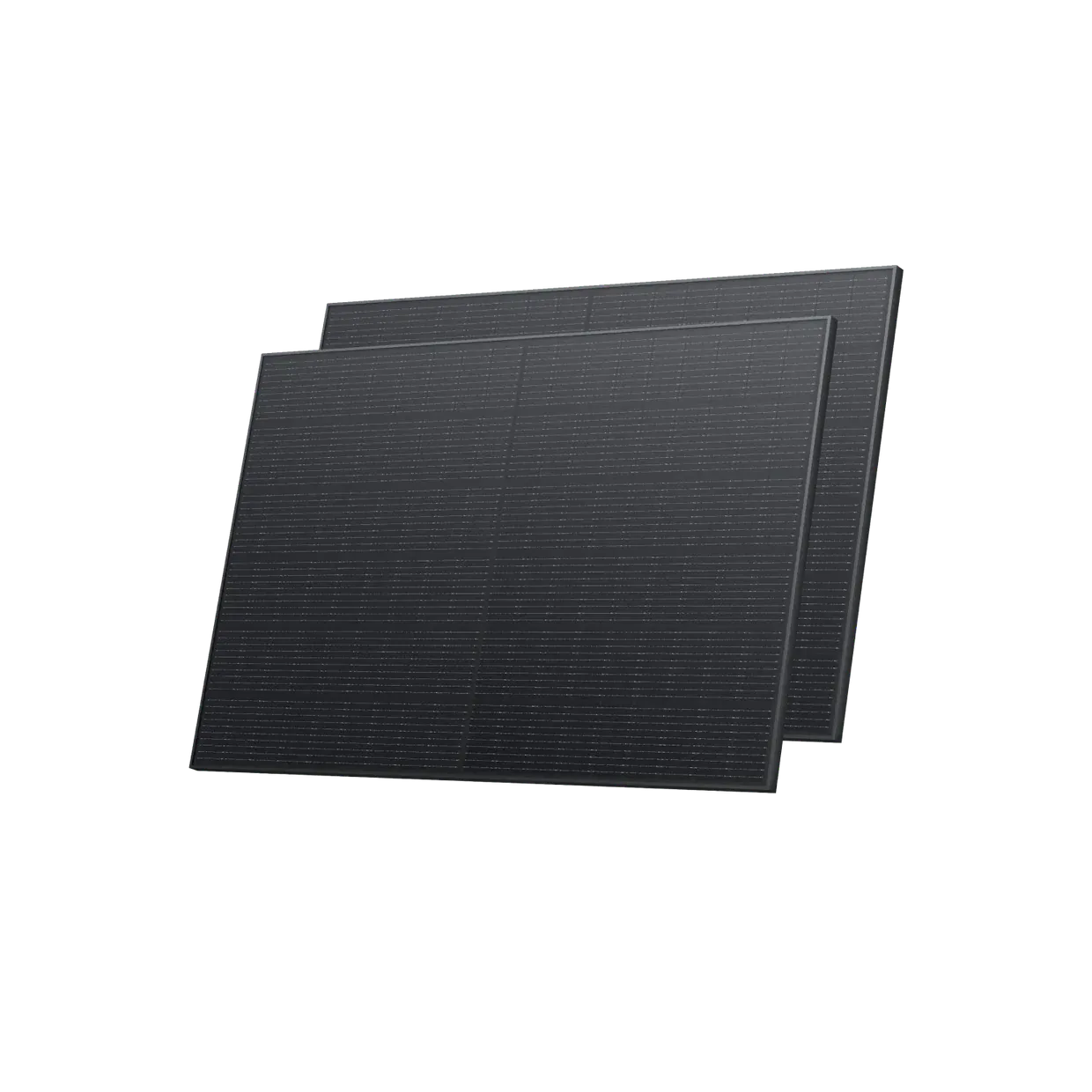
 400W Panel
Adapter required: MC4 -> Anderson.
 Smart Value
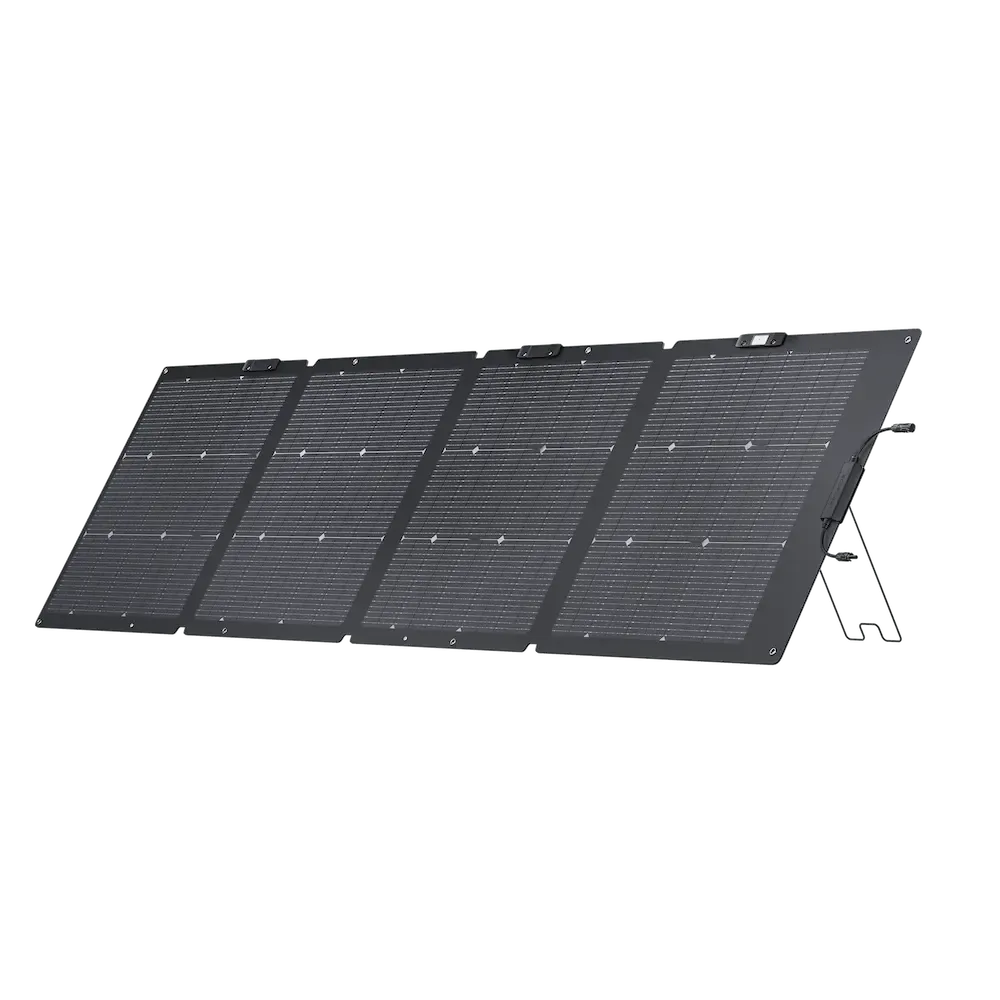
 220W Panel
Adapter required: MC4 -> Anderson.
Yes. The Goal Zero Yeti 1500X provides 2000W running / 3500W surge. The 2-Slice Bread Toaster needs 1651W / 1651W (including 10% buffer). That leaves 349W of running headroom and 1849W of surge margin.
Approximately 0.7 hours, based on the 2-Slice Bread Toaster's 1500W draw and the Yeti 1500X's 1516Wh capacity (70% usable after real-world losses).
With 100W allocated to the 2-Slice Bread Toaster, the Yeti 1500X still has ~0W of margin. These devices could run simultaneously:
Efficiency Hack: Large appliances like the 2-Slice Bread Toaster cycle on and off. To maximize the 0.7 hours of runtime, try to minimize how often you open the device or introduce heat loads.
Compare all 33 generators for the 2-Slice Bread Toaster
Ranked by budget, runtime, and overall compatibility.
Derived from variant list (max of variants). Running worst case = Revolution R180S (1500W). Surge = running (resistive heating element — no motor inrush).
Goal Zero Yeti 1500X User Guide (147-100A)
Similar-output alternatives you can compare side by side.