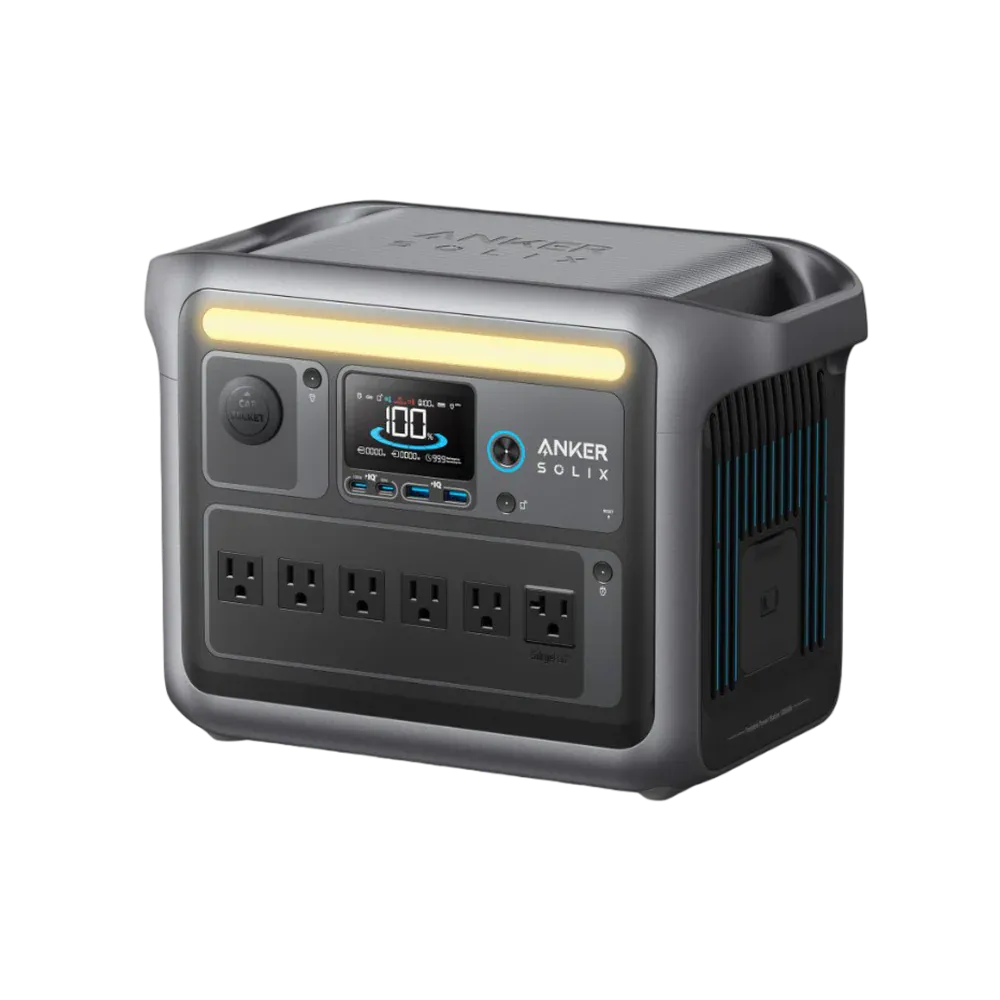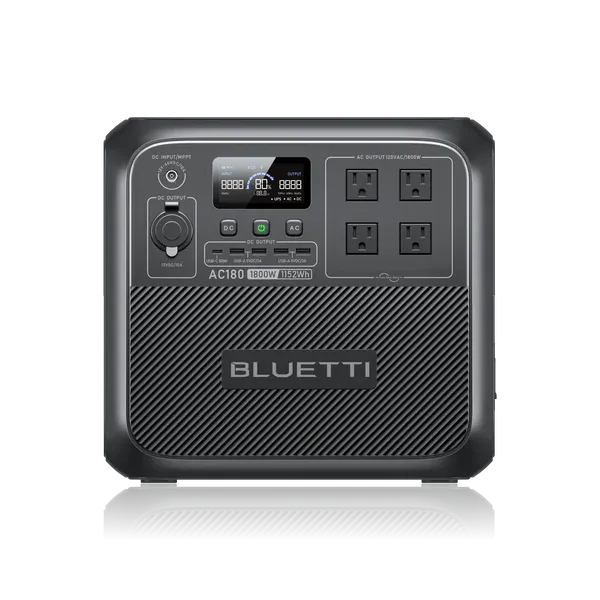
1
Voltage Gate
PASSDevice output type must match generator output.
120V required -> 120V available
This pairing clears the safety headroom. Required ~96W running and 191W surge; the Yeti 1500X is rated 2000W / 3500W.
Same decision gates as the engine: voltage, running, surge. Runtime is shown as operational context.
Device output type must match generator output.
120V required -> 120V available
Continuous draw with safety buffer applied.
96W required -> 2,000W available (1,904W headroom)
Startup peak with safety buffer applied.
191W required -> 3,500W available (3,309W headroom)
Runtime context only. It does not change the electrical compatibility verdict.
Continuous estimate: 12.8h
Device profile reference: up to 8h per day.
Power bars show required versus available output for each gate.
View full compatibility reportQuick compatibility, required headroom, and model-specific context at a glance.
3 of 3 models are SAFE or TIGHT. Most demanding model: Lasko B20200 (20-inch Box Fan) (166W surge).
| Model | Running | Surge | Verdict | Runtime | Source |
|---|---|---|---|---|---|
| Lasko B20200 (20-inch Box Fan) | 83W | 166W | Safe | ~12.8h | Engineering Est. |
Show expert analysisTechnical: **Running load:** 83 W. **Surge:** 166 W (estimated 2x startup for shaded-pole motor). **Voltage:** 120 V AC. Small shaded-pole fan motors produce a brief inrush at startup that is typically 2x running — far less than the 3x NEC standard for larger motors. Field note: Box fans are among the easiest appliances to run off-grid. Even with the 2x startup surge, any power station rated 200W+ handles this fan comfortably. Will this fan drain my power station quickly? At 83W continuous, an 8-hour overnight run consumes ~664 Wh. A 1000Wh power station handles it with margin to spare. | |||||
| Lasko B20500 (20-inch Box Fan) | 72W | 144W | Safe | ~14.7h | Engineering Est. |
Show expert analysisTechnical: **Running load:** 72 W. **Surge:** 144 W (estimated 2x startup). **Voltage:** 120 V AC. Slightly lower draw than the B20200 — same motor technology, lower speed setting or blade design. Field note: At 72W, this is the lightest box fan in the comparison. Perfect for overnight use on a portable power station — a 500Wh unit runs it for nearly 7 hours. Can I run this fan overnight on a 500 Wh power station? Close — 8 hours at 72W needs 576 Wh. With inverter losses (~70% usable), a 500Wh station runs it for about 5 hours. A 750Wh+ station covers a full night. | |||||
| Lasko 3733 (20-inch Box Fan) | 80W | 160W | Safe | ~13.3h | Engineering Est. |
Show expert analysisTechnical: **Running load:** 80 W (high speed, top of 50-80W range). **Surge:** 160 W (estimated 2x startup). **Voltage:** 120 V AC. Variable speed range means actual draw depends on setting — low speed draws as little as 50W. Field note: If running on battery, use a lower speed setting. Dropping from high (80W) to low (50W) extends runtime by 60% — a meaningful difference on a single charge. How long can I run this fan on low speed? At 50W on low speed, a 1000Wh power station (700Wh usable) runs it for about 14 hours. High speed (80W) cuts that to about 9 hours. | |||||
This unit ranks #18 of 33 compatible generators for this device by buffered margin (Overkill class).
33 of 33 generators are SAFE+TIGHT for Box Fan (20-inch).
Fit class uses buffered needs (running and surge) for this device.
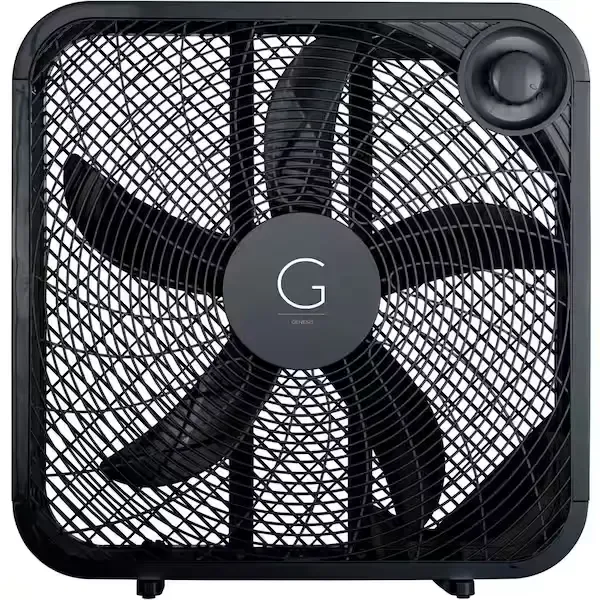
Hot Weather Ventilation
Select Your Model:
These systems are often hardwired to a home panel. To run them from a portable station, you may need a transfer switch installed by an electrician. You cannot just plug it in.
Keep your Box Fan (20-inch) running with solar • MPPT: 14– 50V • Max: 600W
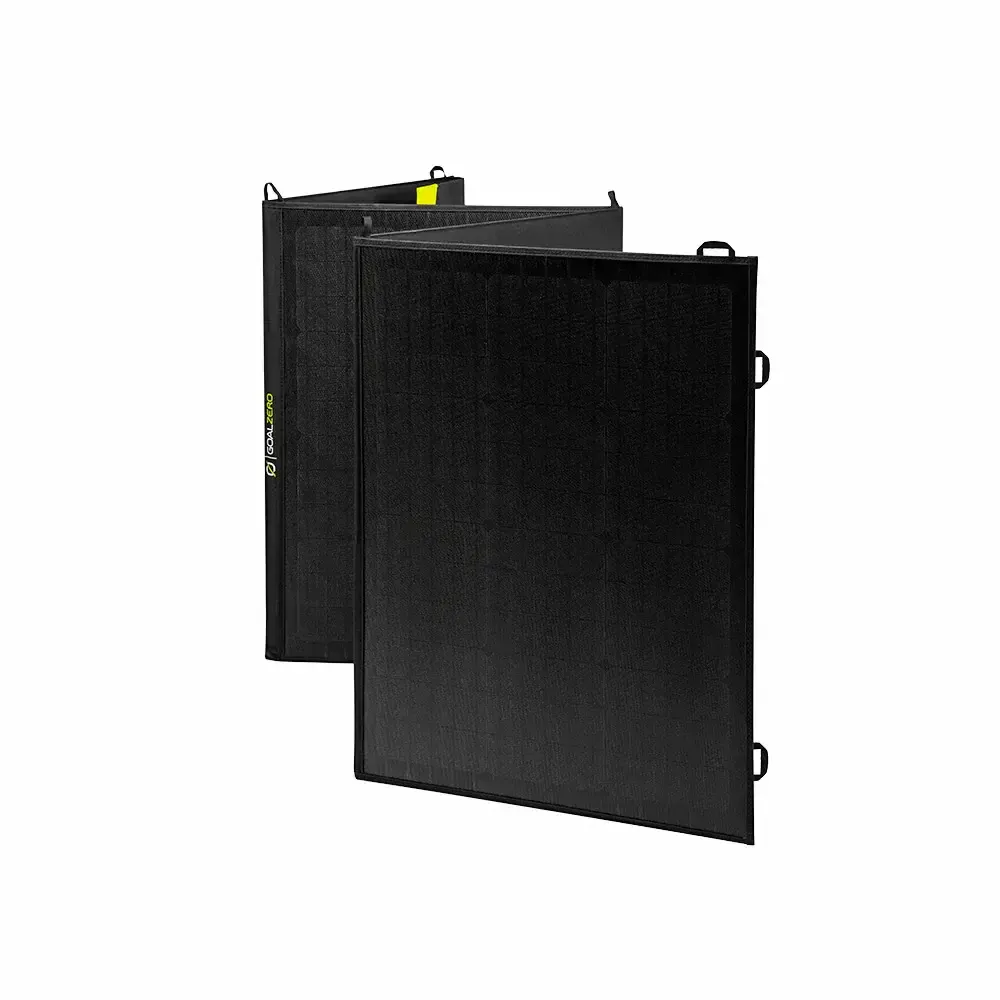 Official
 200W Panel
Adapter required: Goal Zero proprietary -> Anderson adapter required.
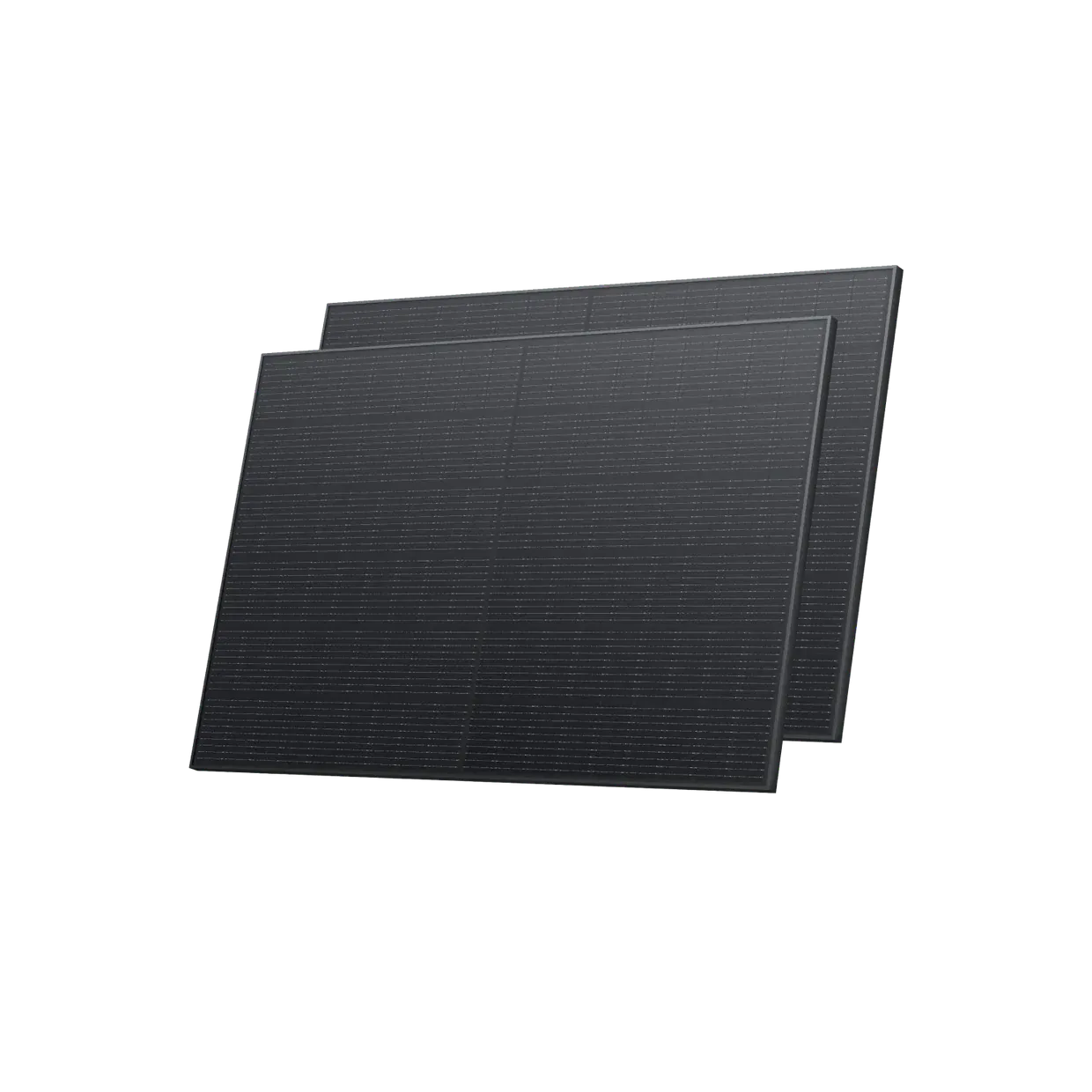 Smart Value
 400W Panel
Adapter required: MC4 -> Anderson.
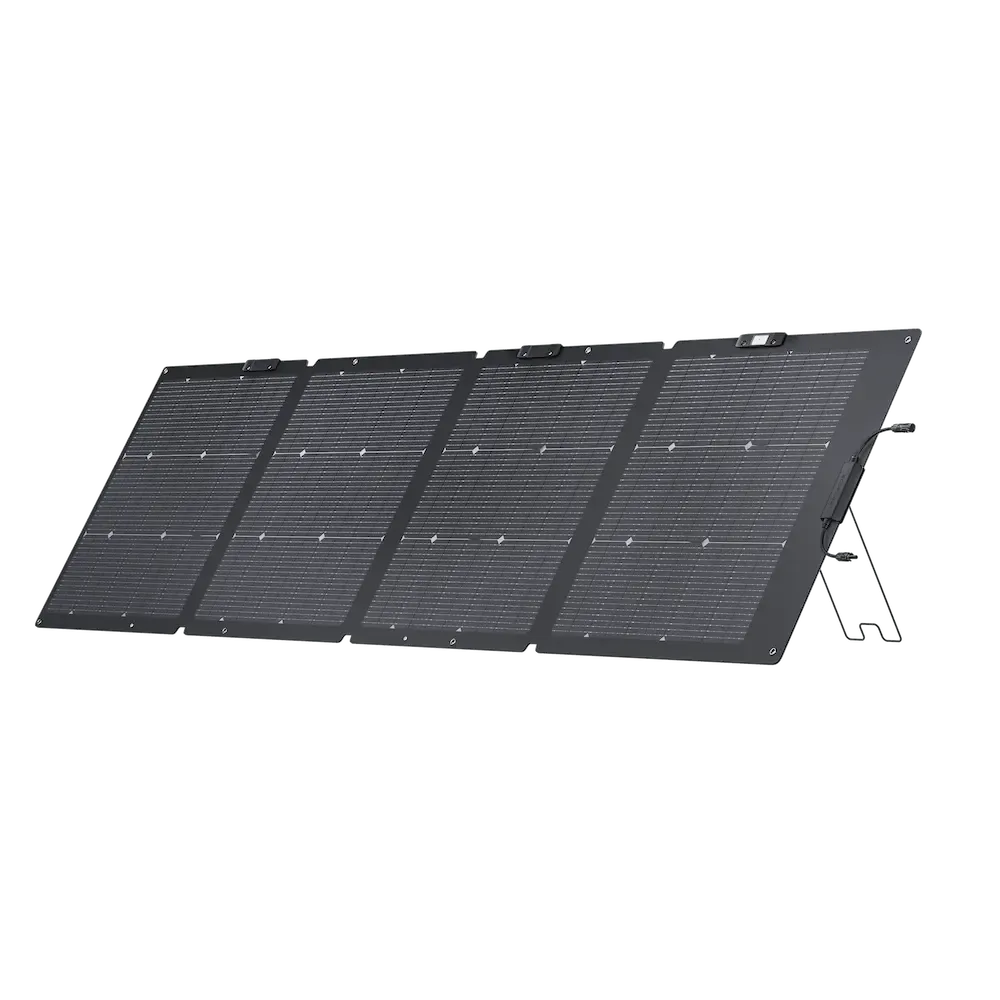 Smart Value
 220W Panel
Adapter required: MC4 -> Anderson.
Yes. The Goal Zero Yeti 1500X provides 2000W running / 3500W surge. The Box Fan (20-inch) needs 96W / 191W (including 15% buffer). That leaves 1904W of running headroom and 3309W of surge margin.
Approximately 12.8 hours, based on the Box Fan (20-inch)'s 83W draw and the Yeti 1500X's 1516Wh capacity (70% usable after real-world losses).
With 1040W allocated to the Box Fan (20-inch), the Yeti 1500X still has ~477W of margin. These devices could run simultaneously:
Power Tip: To get the most out of your Yeti 1500X, keep it in a well-ventilated area. Extreme temperatures can slightly reduce the efficiency of the LFP/NMC cells.
Compare all 33 generators for the Box Fan (20-inch)
Ranked by budget, runtime, and overall compatibility.
Derived from variant list (max of variants). Running worst case = Lasko B20200 (83W OEM). Surge worst case = Lasko B20200 (166W). Small fan motor policy: 2x startup for shaded-pole motors.
Goal Zero Yeti 1500X User Guide (147-100A)
Similar-output alternatives you can compare side by side.