1
Voltage Gate
PASSDevice output type must match generator output.
120V required -> 120V available
No - this pairing is underpowered. Safe target ~1871W running / 1871W surge; the generator provides 800W / 1600W.
Same decision gates as the engine: voltage, running, surge. Runtime is shown as operational context.
Device output type must match generator output.
120V required -> 120V available
Continuous draw with safety buffer applied.
1,871W required -> 800W available (1,071W short)
Startup peak with safety buffer applied.
1,871W required -> 1,600W available (271W short)
Runtime context only. It does not change the electrical compatibility verdict.
Runtime estimate appears after running and surge gates pass.
Power bars show required versus available output for each gate.
See generators that pass nativelyQuick compatibility, required headroom, and model-specific context at a glance.
0 of 4 models are SAFE or TIGHT. Most demanding model: Dyson Supersonic r Professional (1,700W surge).
| Model | Running | Surge | Verdict | Runtime | Source |
|---|---|---|---|---|---|
| Dyson Supersonic Origin | 1,600W | 1,600W | Fail | — | OEM Verified |
Show expert analysisTechnical: **Running load:** 1600 W. **Surge:** 1600 W. Requires 120V AC. No surge multiplier indicates resistive heating element. Generator must supply at least 1600 W continuous at 120V to operate safely. Field note: Verify generator can sustain 1600 W before connecting. Allow 20% headroom above rated load for stable operation during peak heat cycles. Will this work on a 2000W generator? Only if your power source can supply at least 1600W continuous and 1600W surge at 120V. Check manufacturer load charts for real-world capacity under resistive heating. | |||||
| Dyson Supersonic r Professional | 1,700W | 1,700W | Fail | — | OEM Verified |
Show expert analysisTechnical: **Running load:** 1700 W. **Surge:** 1700 W (resistive heating element, no motor spike). Requires 120V AC supply. Generator must sustain 1700 W continuously without voltage sag during the 18-minute runtime window. Field note: Verify generator can deliver full rated wattage at 120V under load. Undersized units may experience voltage drop during simultaneous appliance operation, causing thermal cutoff. Can I run this hair dryer on a 2000W inverter generator? Only if your power source can supply at least 1700W continuous and 1700W surge at 120V. Inverter generators often derate at altitude or high ambient temperature. | |||||
| Shark FlexStyle HD400 (1400W) | 1,400W | 1,400W | Fail | — | OEM Verified |
Show expert analysisTechnical: **Running load:** 1400 W. **Surge:** 1400 W. Requires 120V AC supply. Resistive heating element yields identical running and surge demand. Generator must sustain continuous 1400 W output without voltage sag. Field note: Verify generator nameplate capacity exceeds 1400 W continuous. Voltage droop under load may reduce heating performance or trigger thermal shutdown. Can I run this styling tool on a 1500W portable generator? Only if your power source can supply at least 1400W continuous and 1400W surge at 120V. Marginal headroom increases risk of voltage sag and premature shutoff. | |||||
| Shark FlexStyle HD400 (1600W) | 1,600W | 1,600W | Fail | — | OEM Verified |
Show expert analysisTechnical: **Running load:** 1600 W. **Surge load:** 1600 W. Requires 120V AC. Generator must supply continuous 1600 W minimum with no margin. Resistive heating element shows minimal inrush current. Field note: Zero headroom exists at 1600 W generator capacity. Any voltage sag or shared load will cause dropout. Verify available AC output rating before connecting. Can I run this on a 1600W generator? Only if your power source can supply at least 1600W continuous and 1600W surge at 120V. Any headroom deficit or shared circuit will interrupt operation. | |||||
This unit is outside the compatible set; 21 of 33 generators pass SAFE/TIGHT for this device.
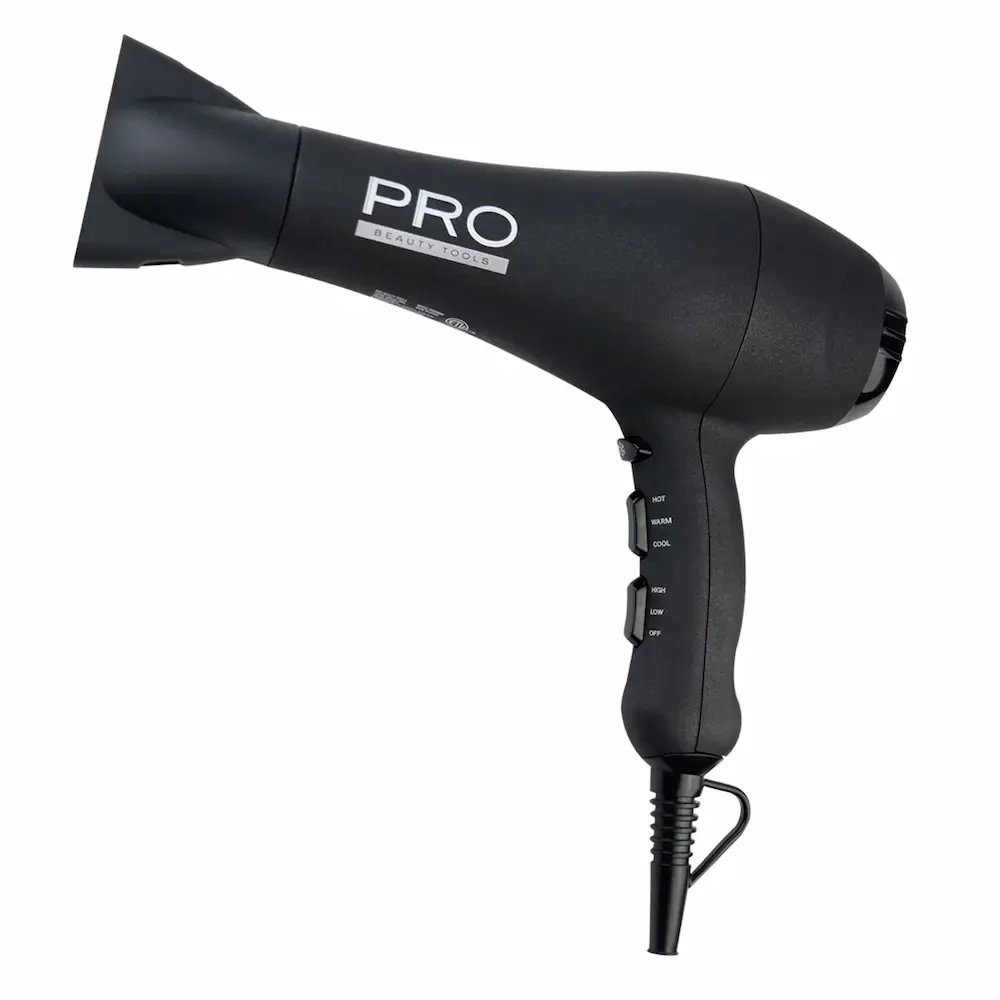
21 of 33 generators are SAFE+TIGHT for Professional Hair Dryer.
Fit class uses buffered needs (running and surge) for this device.
Morning Routine
Select Your Model:
These generators meet Professional Hair Dryer's voltage, running, and surge requirements.
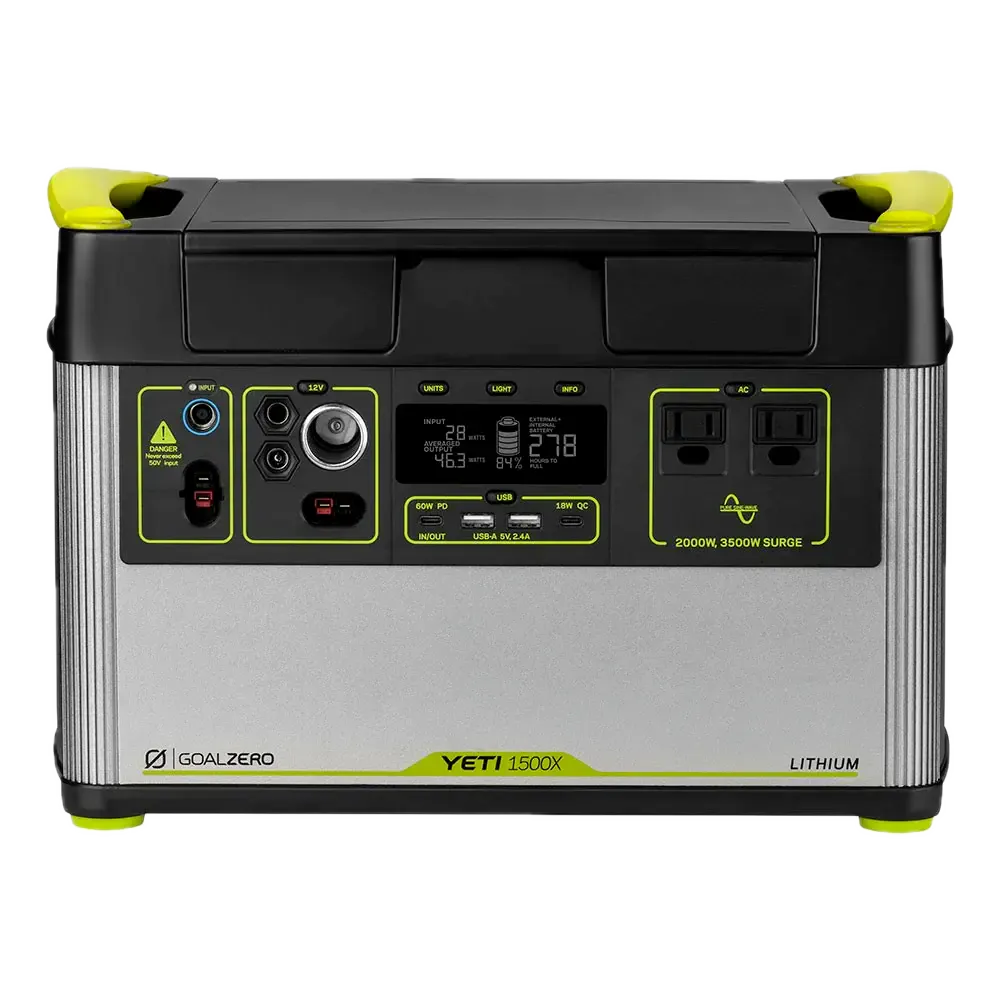
2000W • 1516Wh
Lowest capacity that still clears surge + running load.
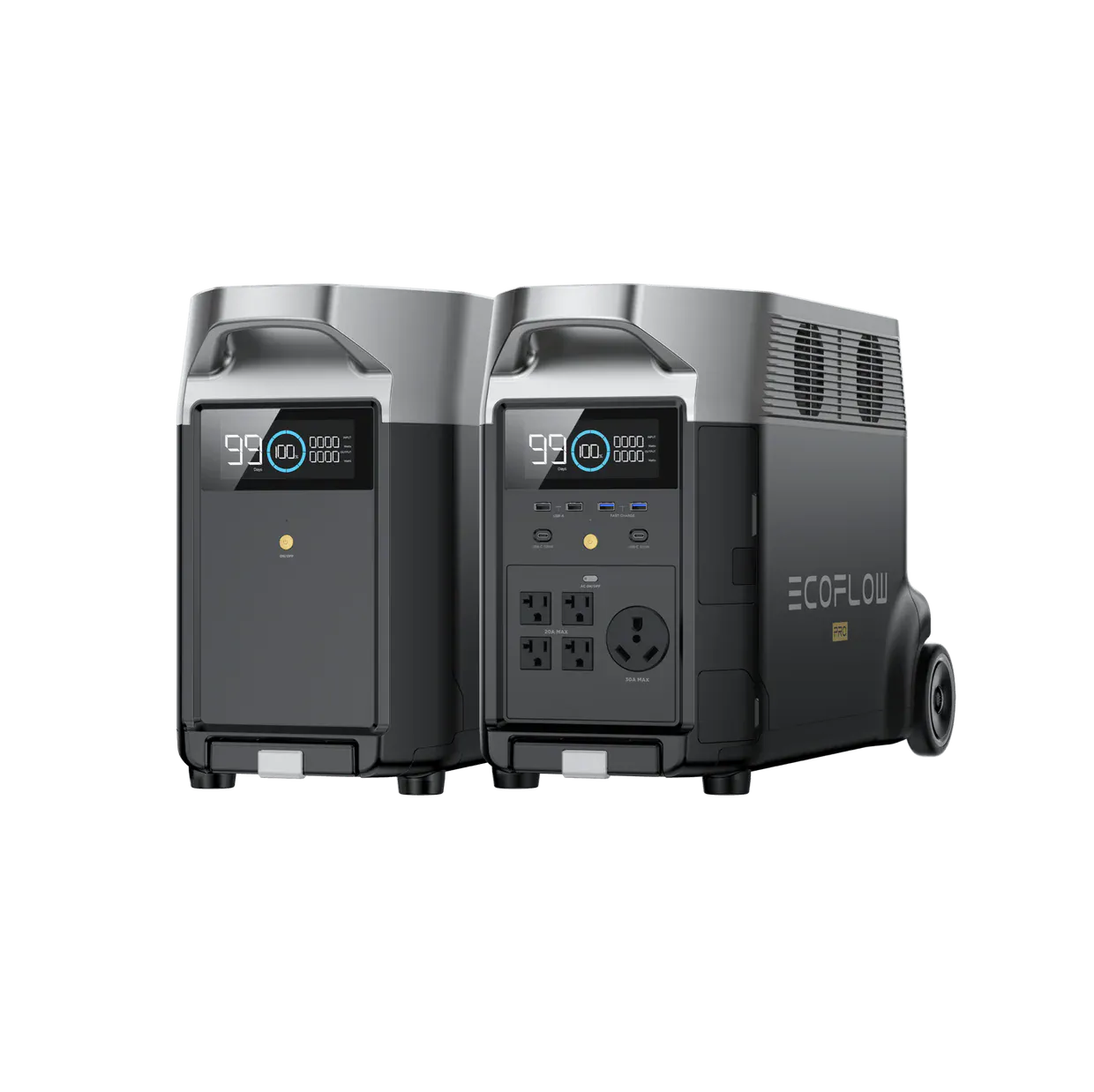
3600W • 3600Wh
Expandable to 25000Wh.
The 1600W surge rating can handle typical motor startup events found in residential compressor-based appliances like refrigerators and well pumps. The 800W running capacity can support continuous loads such as home network equipment, lighting circuits, and small kitchen appliances. This configuration works well for targeted backup scenarios rather than whole-home replacement power.
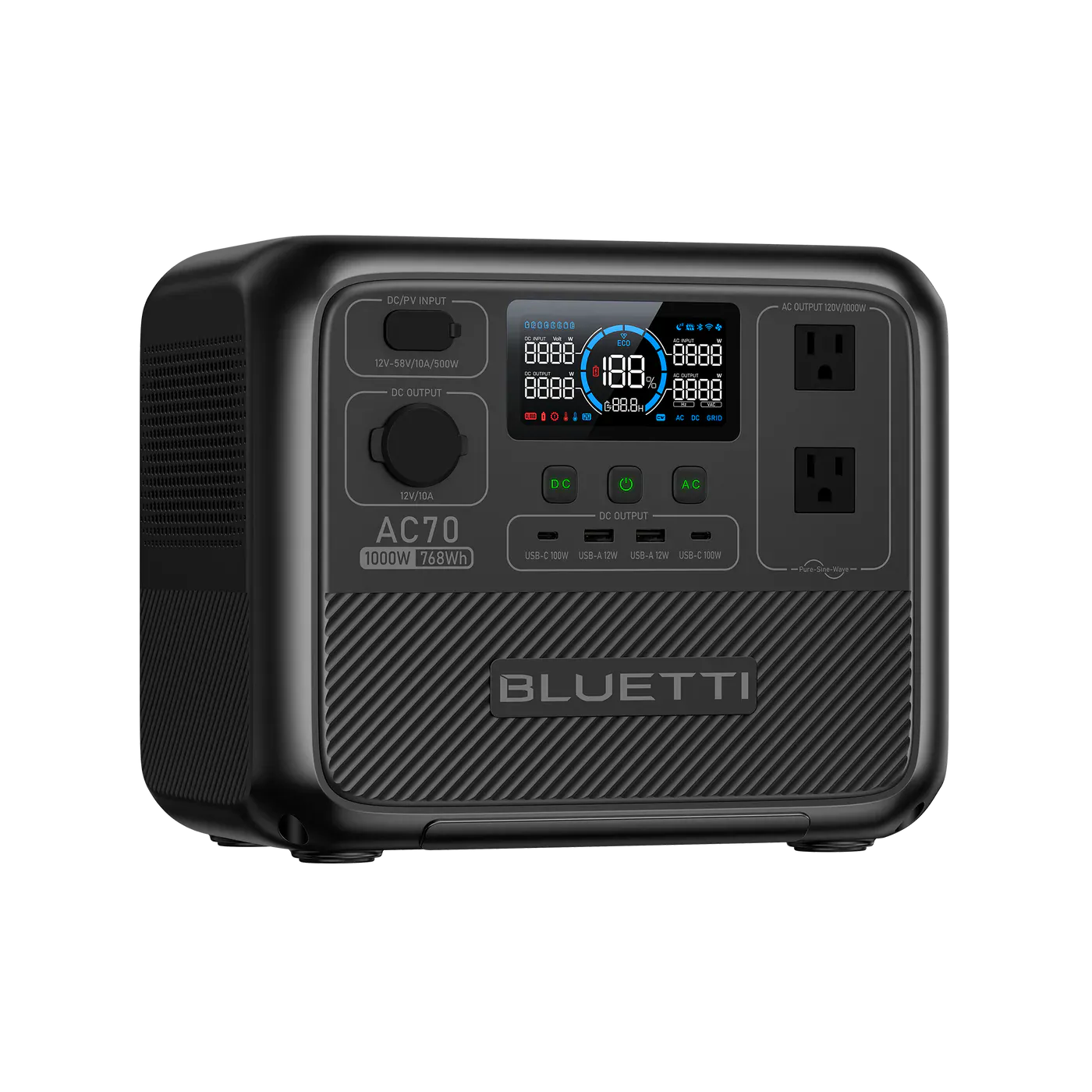
This unit uses LFP chemistry, which offers stable thermal characteristics during discharge cycles. The 768Wh capacity supports extended runtime for moderate household loads. Source: EcoFlow RIVER 2 Pro User Manual v1.0 (manufacturer documentation).
No. The EcoFlow RIVER 2 Pro falls short on both running (800W offered vs 1871W needed) and surge (1600W offered vs 1871W needed). Safe targets include a 10% buffer for the Professional Hair Dryer's resistive load profile.
No reliable runtime estimate — this pairing is not compatible. The EcoFlow RIVER 2 Pro cannot safely power the Professional Hair Dryer. See compatible alternatives above for power stations that meet this device's requirements.
Power Tip: To get the most out of your RIVER 2 Pro, keep it in a well-ventilated area. Extreme temperatures can slightly reduce the efficiency of the LFP/NMC cells.
Compare all 33 generators for the Professional Hair Dryer
Ranked by budget, runtime, and overall compatibility.
Derived from variant list (max of variants). Running worst case = Dyson Supersonic r Professional (1700W). Surge = running (resistive heating element — no motor inrush).
EcoFlow RIVER 2 Pro User Manual v1.0
Similar-output alternatives you can compare side by side.