1
Voltage Gate
PASSDevice output type must match generator output.
120V required -> 120V available
2 of 3 models are compatible with this generator.
Jump to model-specific results ↓Same decision gates as the engine: voltage, running, surge. Runtime is shown as operational context.
Device output type must match generator output.
120V required -> 120V available
Continuous draw with safety buffer applied.
398W to 779W required -> 500W available (102W headroom on lighter models)
Startup peak with safety buffer applied.
398W to 1,431W required -> 1,000W available (602W headroom on lighter models)
Runtime context only. It does not change the electrical compatibility verdict.
Continuous estimate: 0.5h
Device profile reference: up to 0.1h per day.
Power bars show required versus available output for each gate.
View full compatibility reportQuick compatibility, required headroom, and model-specific context at a glance.
2 of 3 models are SAFE or TIGHT. Most demanding model: Canon imageCLASS LBP236dw (1,300W surge).
| Model | Running | Surge | Verdict | Runtime | Source |
|---|---|---|---|---|---|
| HP LaserJet Pro M110w | 361W | 361W | Safe | ~1.0h | OEM Manual |
Show expert analysisTechnical: **Running load:** 361 W. **Surge:** 361 W. Requires 120V AC output. Compact mono laser with a low-wattage fuser. HP publishes a single active printing value with no separate peak figure. Field note: The lightest laser printer load in this comparison. Most power stations rated 500W+ handle it without issue. Fuser warm-up happens quickly with no noticeable surge. Can I print from a portable power station during an outage? Yes — at 361W this is manageable for any power station rated 500W+ continuous at 120V. | |||||
| Brother HL-L2460DW | 470W | 920W | Tight | ~0.8h | OEM Manual |
Show expert analysisTechnical: **Running load:** 470 W (active printing). **Surge:** 920 W (fuser warm-up peak). Requires 120V AC output. The fuser heating element creates a brief high-draw spike each time the printer wakes from standby or starts a new job. Field note: The 920W fuser peak is the critical number for generator sizing. A 1000W-rated power station handles it, but a 500W station will trip on fuser warm-up even though sustained printing is only 470W. Why does my power station shut off when I start printing? The Brother HL-L2460DW draws 920W briefly during fuser warm-up. If your power station is rated under 1000W, it may trip on this peak even though sustained printing is only 470W. | |||||
| Canon imageCLASS LBP236dw | 708W | 1,300W | Fail | — | Engineering Est. |
Show expert analysisTechnical: **Running load:** 708 W (derived from 120V × 5.9A rated current). **Surge:** 1300 W (fuser warm-up peak, OEM published maximum). Requires 120V AC output. The 1300W peak draws 10.8A briefly — well above the 5.9A nominal rating. Field note: The 1300W fuser peak is the highest in this comparison. A 1500W power station is the minimum for reliable printing. Stations rated under 1300W will trip when the fuser warms up, even if the sustained 708W draw is within their continuous rating. Can a 1000W power station run this Canon printer? Not reliably — the fuser warm-up peaks at 1300W. You need a power station rated at least 1500W to handle the brief startup surge without tripping. | |||||
This unit is outside the compatible set; 26 of 33 generators pass SAFE/TIGHT for this device.
26 of 33 generators are SAFE+TIGHT for Laser Printer.
Fit class uses buffered needs (running and surge) for this device.
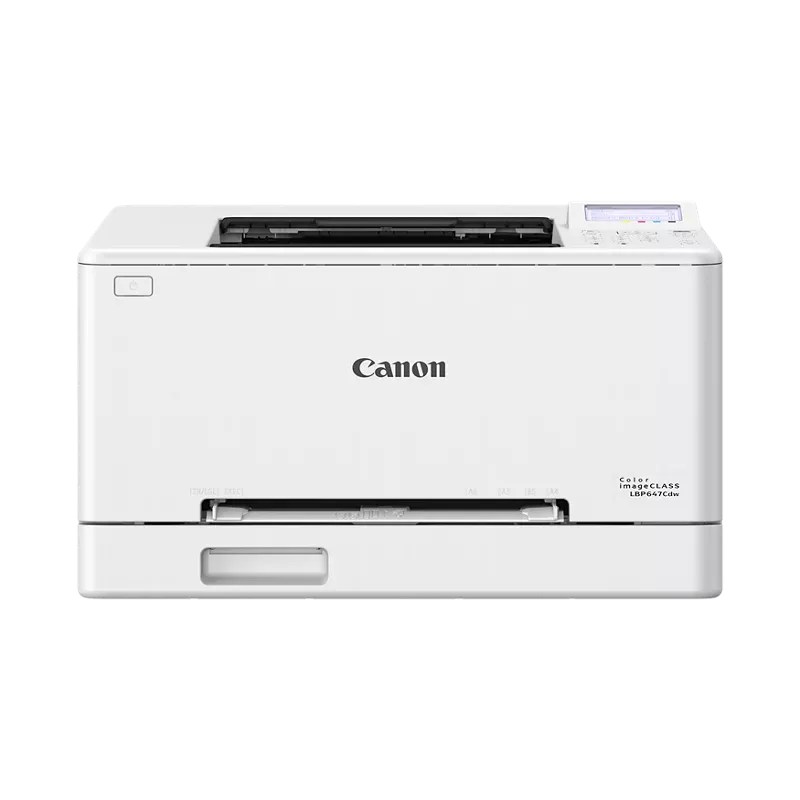
Document Printing
Select Your Model:
Free Tools
The 1000W surge can handle typical compressor startup events in refrigerators, window AC units, and well pumps that fall within momentary draw limits. Sustained loads must stay at or below 500W to avoid shutdown. This is a light-duty unit for essential circuits, not whole-home backup.
This portable station uses LFP chemistry, known for thermal stability in consumer lithium batteries. The 512Wh capacity and 500W continuous rating provide a workable buffer for appliances within spec. Source: EcoFlow RIVER 2 Max User Manual v1.0 (manufacturer documentation).
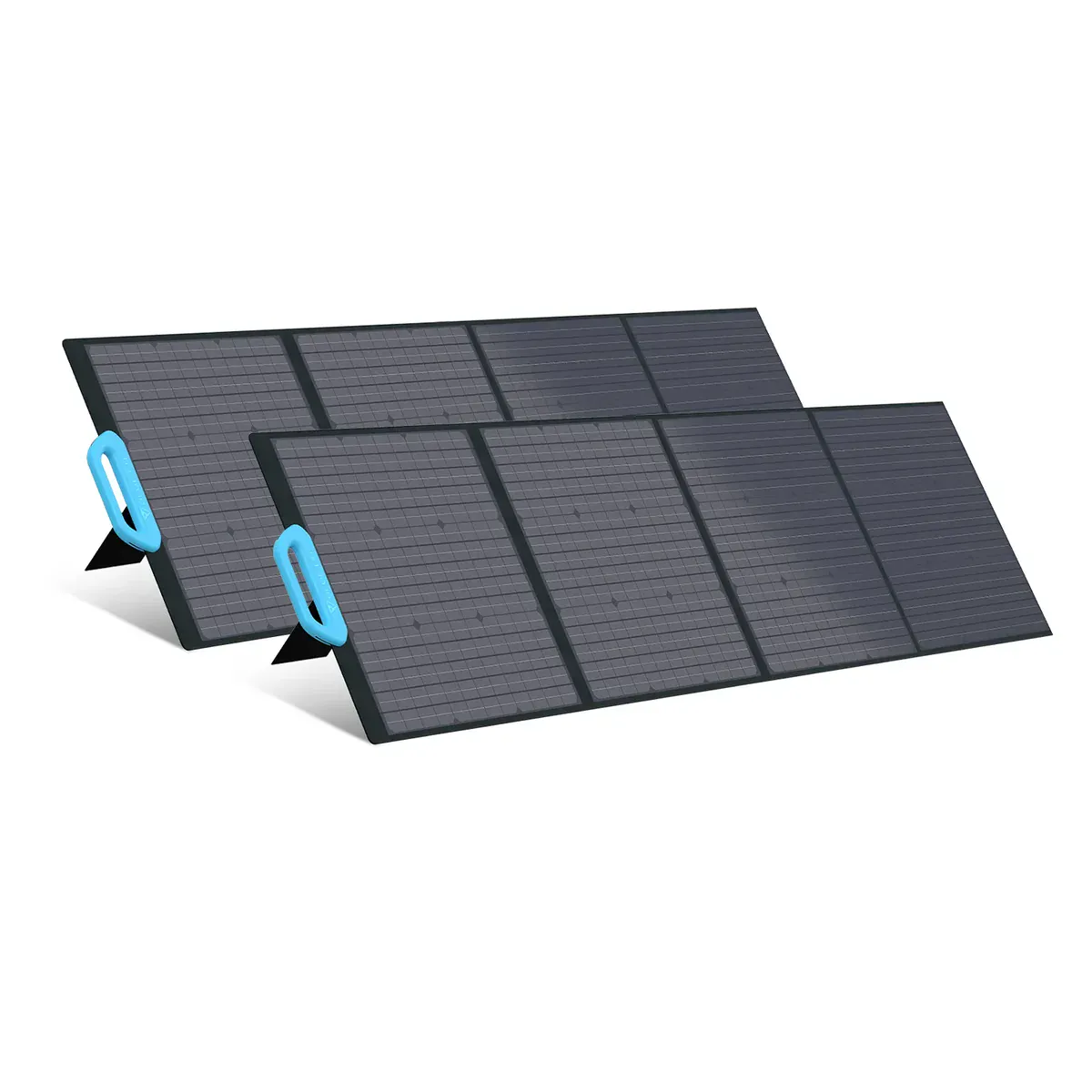
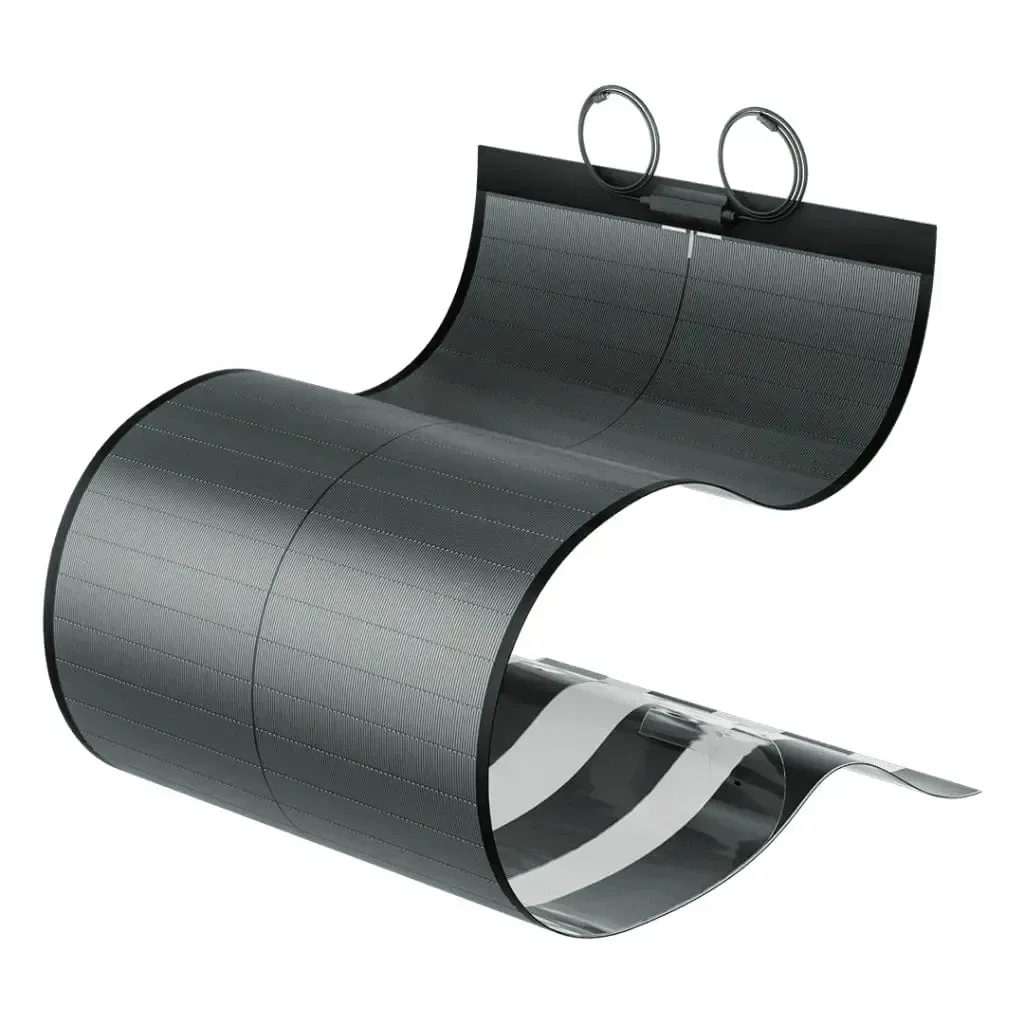
Keep your Laser Printer running with solar • MPPT: 11– 50V • Max: 220W
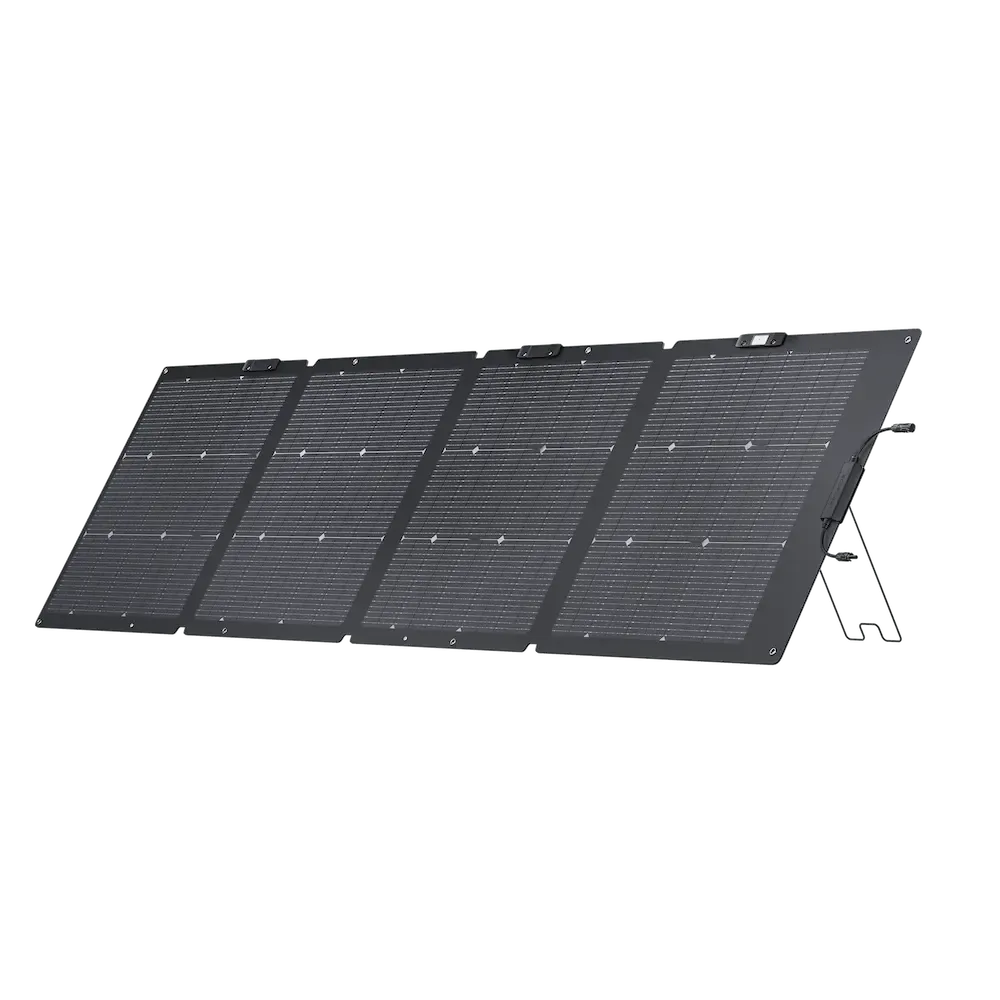 Official
 220W Panel
Adapter required: MC4 -> XT60i.
 Smart Value
 200W Panel
Adapter required: MC4 -> XT60i.
 Smart Value
 200W Panel
Adapter required: MC4 -> XT60i.
It depends on the model. 2 of 3 Laser Printer models are compatible with the EcoFlow RIVER 2 Max. See the model-specific results table for exact verdicts per model.
It depends on the model. Compatible models run approximately 0.8–1.0 hours on the RIVER 2 Max. 1 of 3 models are not compatible. See the model-specific results for details.
Power Tip: To get the most out of your RIVER 2 Max, keep it in a well-ventilated area. Extreme temperatures can slightly reduce the efficiency of the LFP/NMC cells.
Compare all 33 generators for the Laser Printer
Ranked by budget, runtime, and overall compatibility.
Derived from variant list (max of variants). Running worst case = Canon imageCLASS LBP236dw (708W from V×A: 120V × 5.9A). Surge worst case = Canon imageCLASS LBP236dw (1300W fuser warm-up peak).
EcoFlow RIVER 2 Max User Manual v1.0
Similar-output alternatives you can compare side by side.