1
Voltage Gate
PASSDevice output type must match generator output.
120V required -> 120V/240V available
This pairing clears the safety headroom. Required ~230W running and 230W surge; the Delta Pro Ultra is rated 6000W / 12000W.
Same decision gates as the engine: voltage, running, surge. Runtime is shown as operational context.
Device output type must match generator output.
120V required -> 120V/240V available
Continuous draw with safety buffer applied.
230W required -> 6,000W available (5,770W headroom)
Startup peak with safety buffer applied.
230W required -> 12,000W available (11,770W headroom)
Runtime context only. It does not change the electrical compatibility verdict.
Continuous estimate: 21.5h
Device profile reference: up to 4h per day.
Power bars show required versus available output for each gate.
View full compatibility reportQuick compatibility, required headroom, and model-specific context at a glance.
3 of 3 models are SAFE or TIGHT. Most demanding model: Specialized Turbo Battery Charger (42V 4A) (200W surge).
| Model | Running | Surge | Verdict | Runtime | Source |
|---|---|---|---|---|---|
| Rad Power Bikes Charger (48V 2A) | 130W | 130W | Safe | ~33.1h | Engineering Est. |
Show expert analysisTechnical: **Running load:** ~130W AC input (estimated). **Surge:** 130W (no inrush — switching power supply with gradual ramp). **Voltage:** 120V AC. The Rad charger outputs 54.6V at 2A (109W DC) to charge 48V lithium batteries. AC-to-DC conversion loss adds roughly 20% overhead. Field note: At 130W, this is one of the lightest loads you can connect to a power station. A 500Wh station can deliver roughly 2.5 hours of charging (adding ~45% battery). Ideal for topping off at camp or in an RV. The charger's multi-voltage input (100-240V) handles modified sine wave inverters without issues. Can I charge my Rad e-bike from a portable power station? Yes — easily. The charger draws only ~130W, which is well within any power station rated 200W or above. A 1000Wh station can deliver a near-complete charge. Perfect for bikepacking, RV trips, or emergency backup. | |||||
| Specialized Turbo Battery Charger (42V 4A) | 200W | 200W | Safe | ~21.5h | Engineering Est. |
Show expert analysisTechnical: **Running load:** ~200W AC input (estimated). **Surge:** 200W (no inrush). **Voltage:** 120V AC. The Specialized Turbo charger is a 4A fast charger for 36V battery systems (42V max charge voltage). At double the output current of standard 2A chargers, it cuts charge time roughly in half but draws proportionally more from the wall. Field note: This is the highest-draw e-bike charger in common use. At 200W, it still qualifies as a light load for most power stations, but plan your capacity accordingly — a full charge consumes about 600Wh. For longer trips, consider carrying the standard 2A charger instead (half the draw, double the charge time). Can I charge my Specialized Turbo Levo from a portable power station? Yes. The 4A fast charger draws ~200W — any power station rated 300W or above handles it. A 1000Wh station provides a near-complete charge. For multi-day trips, the lower-wattage 2A charger option stretches your power station further. | |||||
| Lectric eBikes Charger (48V 2A) | 130W | 130W | Safe | ~33.1h | Engineering Est. |
Show expert analysisTechnical: **Running load:** ~130W AC input (estimated). **Surge:** 130W (no inrush — electronic switching charger). **Voltage:** 120V AC. The Lectric charger outputs 54.6V at 2A (109W DC) for 48V lithium batteries used in the XP 3.0, XPedition, and XPremium lines. Electrical profile is nearly identical to other 48V/2A e-bike chargers. Field note: Lectric's charger uses a 3-pin connector (not the barrel plug common on other brands). Make sure you have the correct charger for your model. At 130W, virtually any power station with a working AC outlet can charge this bike — it's lighter than running a single lightbulb. Can I charge my Lectric XP 3.0 from a portable power station while camping? Absolutely. The charger draws only ~130W — even a compact 300Wh power station provides over 1.5 hours of charging. A 1000Wh station can fully charge the battery with room to spare. | |||||
This unit ranks #32 of 33 compatible generators for this device by buffered margin (Overkill class).
33 of 33 generators are SAFE+TIGHT for E-Bike Battery Charger.
Fit class uses buffered needs (running and surge) for this device.
Battery Charging
Select Your Model:
Free Tools
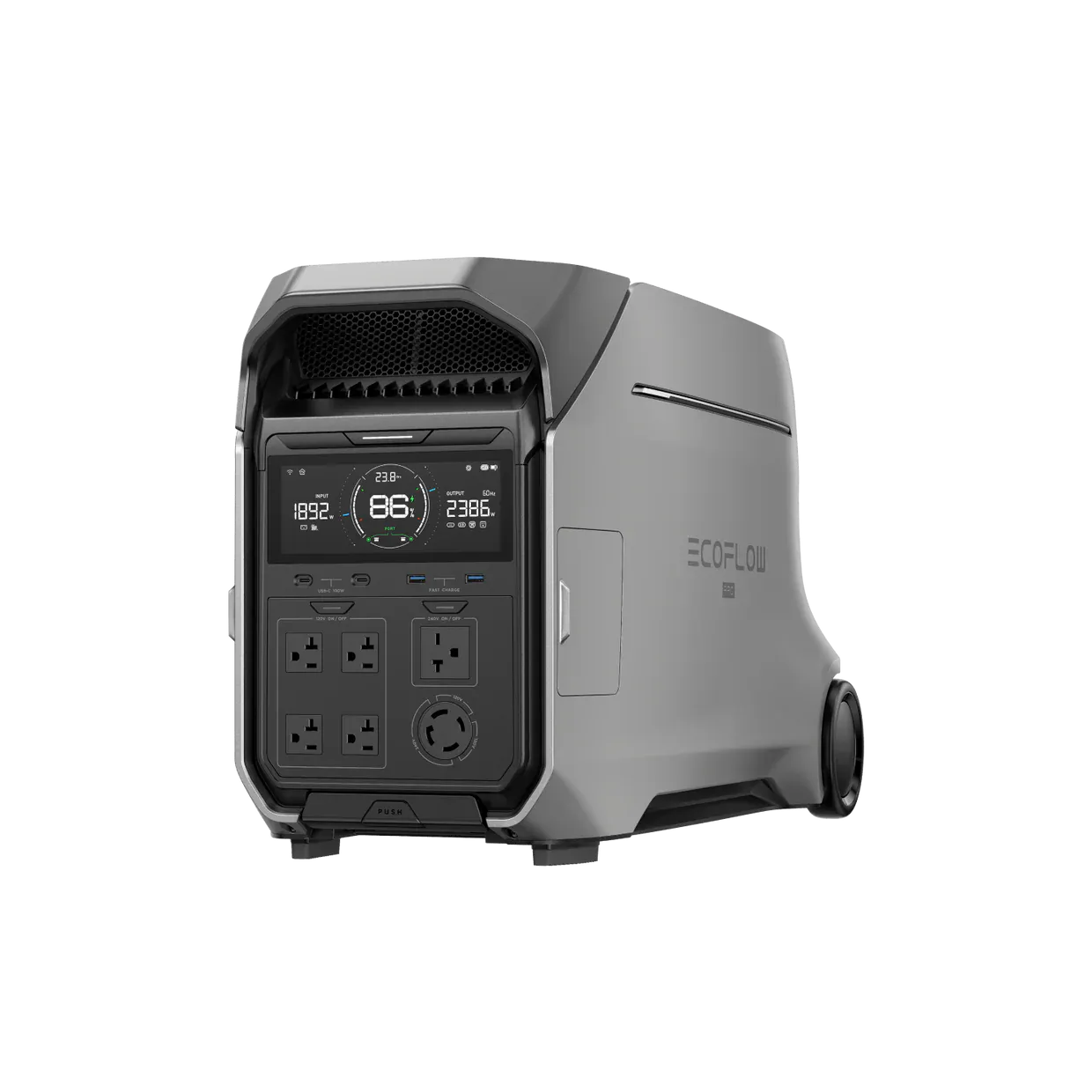
With 12000 watts of surge capacity, this system can handle typical startup loads for central air compressors, well pumps, and other motor-driven equipment common in residential settings. The 6000-watt continuous rating supports sustained operation of multiple high-draw appliances simultaneously. The 6144 Wh capacity provides meaningful runtime for essential circuits during grid outages.
This unit uses lithium iron phosphate (LFP) chemistry, known for stable thermal behavior in stationary storage applications. The system is designed with internal protections typical of grid-tied and off-grid battery platforms. Source: EcoFlow DELTA Pro Ultra User Manual (manufacturer documentation).
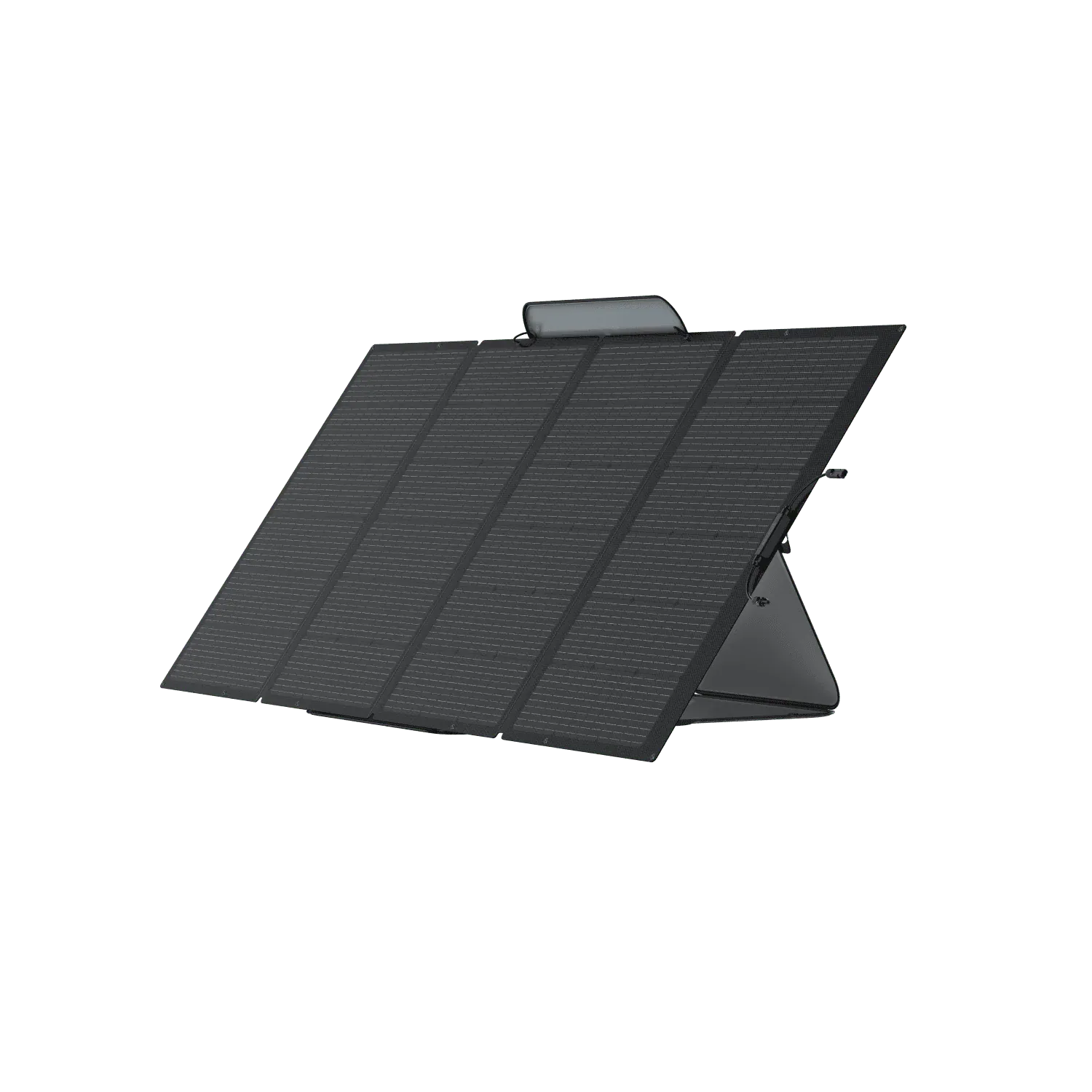
Keep your E-Bike Battery Charger running with solar • MPPT: 80– 450V • Max: 5600W
 Official
 400W Panel
 Smart Value
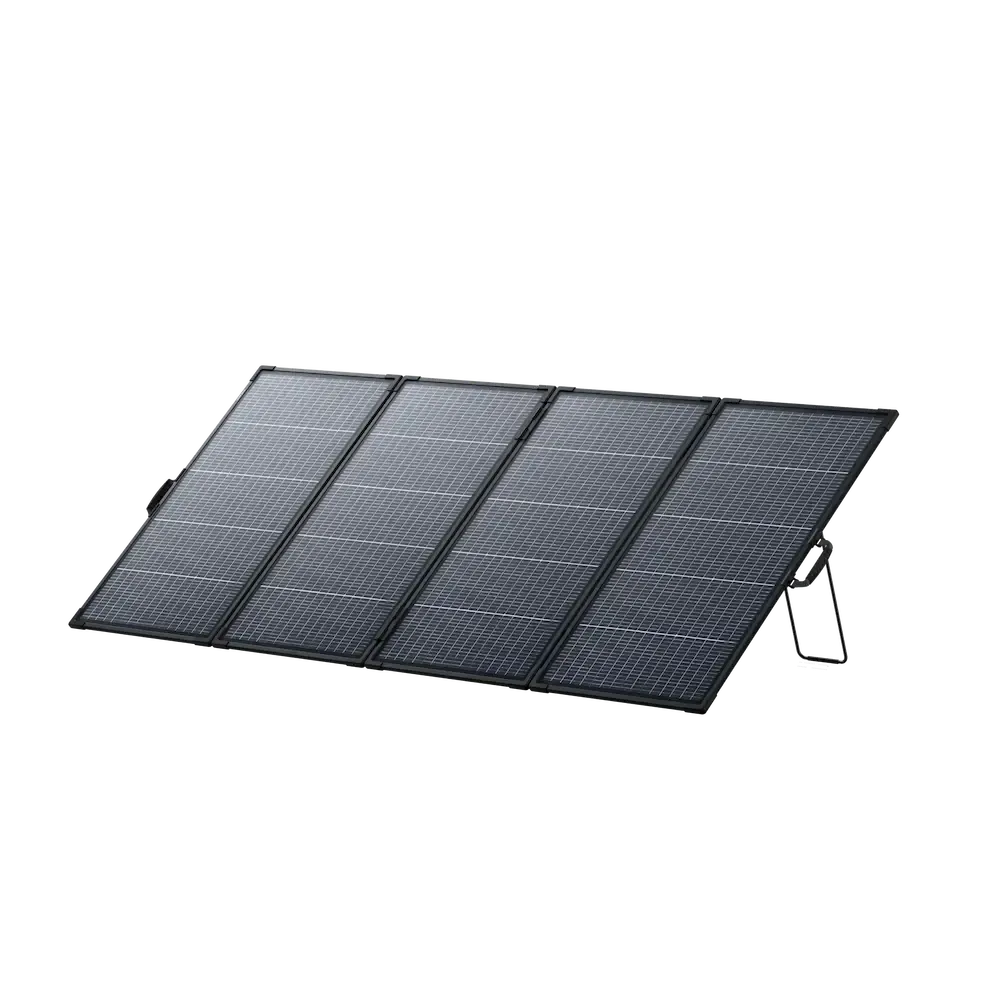
 400W Panel
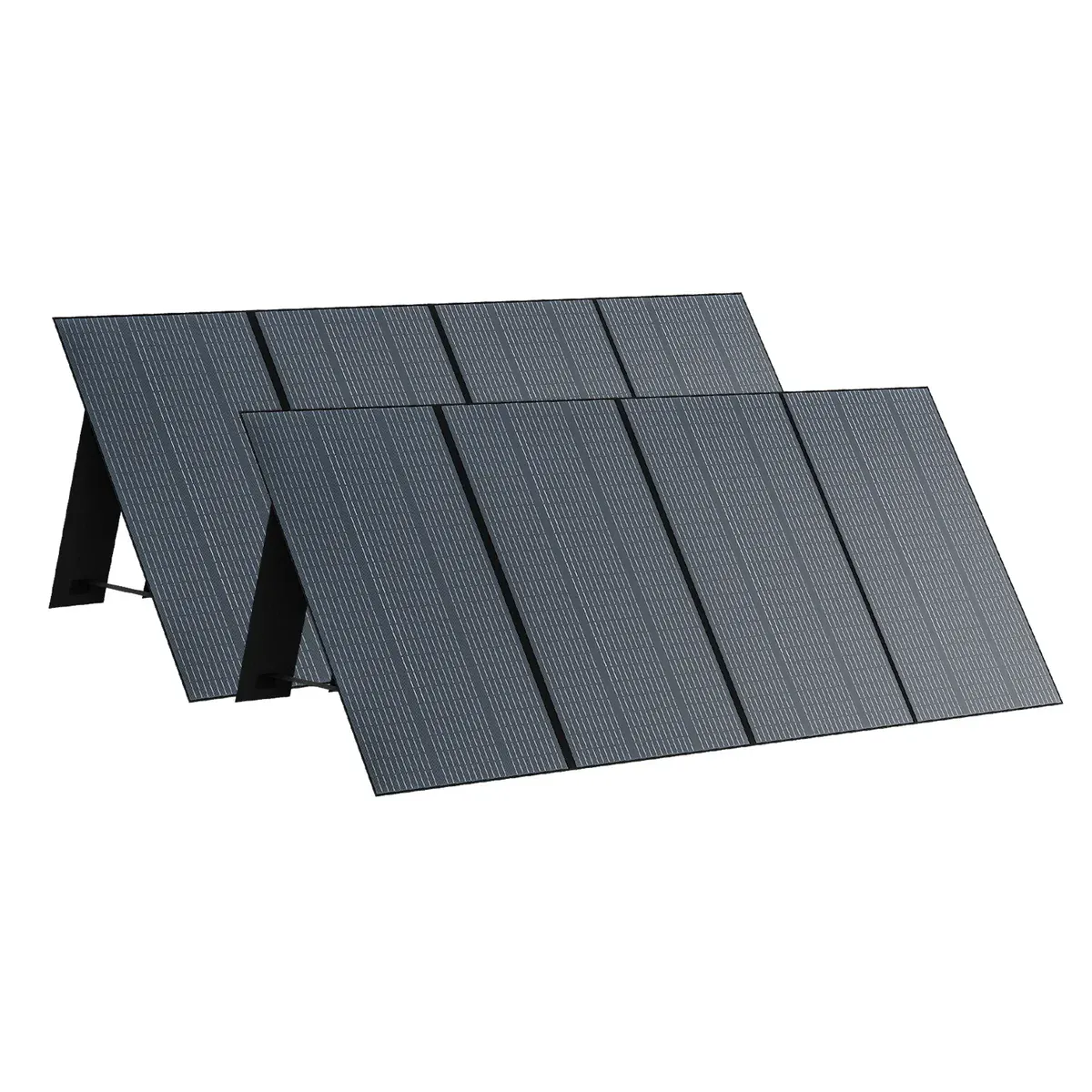 Smart Value
 350W Panel
Yes. The EcoFlow Delta Pro Ultra provides 6000W running / 12000W surge. The E-Bike Battery Charger needs 230W / 230W (including 15% buffer). That leaves 5770W of running headroom and 11770W of surge margin.
Approximately 21.5 hours, based on the E-Bike Battery Charger's 200W draw and the Delta Pro Ultra's 6144Wh capacity (70% usable after real-world losses).
With 1940W allocated to the E-Bike Battery Charger, the Delta Pro Ultra still has ~2660W of margin. These devices could run simultaneously:
Power Tip: To get the most out of your Delta Pro Ultra, keep it in a well-ventilated area. Extreme temperatures can slightly reduce the efficiency of the LFP/NMC cells.
Compare all 33 generators for the E-Bike Battery Charger
Ranked by budget, runtime, and overall compatibility.
Derived from variant list (max of variants). Running worst case = Specialized Turbo charger (200W). No e-bike charger OEM publishes AC input watts directly — all values derived from DC output watts ÷ 0.83 assumed efficiency (1.2× multiplier). Electronic charger = no inrush surge.
EcoFlow DELTA Pro Ultra User Manual
Similar-output alternatives you can compare side by side.