1
Voltage Gate
PASSDevice output type must match generator output.
120V required -> 120V available
Note: You are viewing specs for the original DELTA (Gen 1)
This legacy model has been officially replaced by a newer version with improved specs.
This pairing clears the safety headroom. Required ~1651W running and 1651W surge; the DELTA (Gen 1) is rated 1800W / 3300W.
Same decision gates as the engine: voltage, running, surge. Runtime is shown as operational context.
Device output type must match generator output.
120V required -> 120V available
Continuous draw with safety buffer applied.
1,651W required -> 1,800W available (149W headroom)
Startup peak with safety buffer applied.
1,651W required -> 3,300W available (1,649W headroom)
Runtime context only. It does not change the electrical compatibility verdict.
Continuous estimate: 0.6h
Typical cycling estimate (65% duty): 0.9h
Device profile reference: up to 4h per day.
Power bars show required versus available output for each gate.
View full compatibility reportQuick compatibility, required headroom, and model-specific context at a glance.
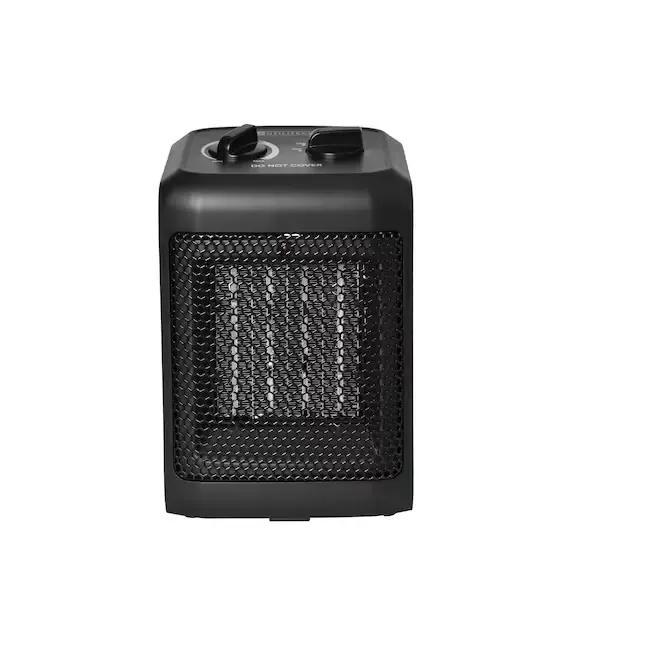
3 of 3 models are SAFE or TIGHT. Most demanding model: Lasko CT16450 (Ceramic Tower) (1,500W surge).
| Model | Running | Surge | Verdict | Runtime | Source |
|---|---|---|---|---|---|
| Lasko CT16450 (Ceramic Tower) | 1,500W | 1,500W | Safe | ~0.6h | OEM Verified |
Show expert analysisTechnical: **Running load:** 1500 W (high setting). **Surge:** 1500 W (resistive heating element, no inrush). **Voltage:** 120 V AC required. Ceramic heating element with fan-forced air distribution. Field note: Switch to low mode (900W) to extend runtime by 67% on battery. Thermostat cycling helps too — once the room reaches target temp, draw drops to zero between cycles. How long can I heat a room on a portable power station? At 1500W on high, a 2000Wh station (1400Wh usable) provides roughly 1 hour of continuous heat. On low (900W), that extends to about 1.5 hours. Thermostat cycling extends these estimates further. | |||||
| De'Longhi TRD40615E (Oil-Filled Radiator) | 1,500W | 1,500W | Safe | ~0.6h | OEM Verified |
Show expert analysisTechnical: **Running load:** 1500 W (high setting). **Surge:** 1500 W (resistive heating, no inrush). **Voltage:** 120 V AC required. Oil-filled radiator with thermal mass — continues radiating heat after power is cut, unlike ceramic or fan heaters. Field note: Oil-filled radiators are the best space heater type for battery backup. The thermal mass means the unit keeps heating the room even during thermostat off-cycles or after you turn it off — stretching your battery further than a ceramic or fan heater. Is an oil-filled radiator better than a ceramic heater on battery? For battery efficiency, yes. The oil reservoir stores heat and radiates it passively during thermostat off-cycles. A ceramic heater stops heating the moment power cuts. Both draw 1500W on high, but the radiator delivers more total warmth per Wh consumed. | |||||
| Vornado VH200 (Whole Room Vortex) | 1,500W | 1,500W | Safe | ~0.6h | OEM Verified |
Show expert analysisTechnical: **Running load:** 1500 W (high setting). **Surge:** 1500 W (resistive heating, no inrush). **Voltage:** 120 V AC required. Vortex air circulation distributes heat throughout the room more evenly than directional heaters. Field note: The 750W low setting is useful on battery — it halves power draw while still circulating warm air via the vortex fan. On a 2000Wh station, low mode provides nearly 2 hours of whole-room heating vs 1 hour on high. Can I use the Vornado VH200 on low mode to save battery? Yes — low mode draws 750W, half of the 1500W high setting. This doubles your runtime on a portable power station. The vortex circulation still distributes heat effectively at the lower setting. | |||||
This unit ranks #6 of 23 compatible generators for this device by buffered margin (Balanced class).
23 of 33 generators are SAFE+TIGHT for Space Heater (1,500W).
Fit class uses buffered needs (running and surge) for this device.
Winter Storm Backup
Select Your Model:
These systems are often hardwired to a home panel. To run them from a portable station, you may need a transfer switch installed by an electrician. You cannot just plug it in.
Free Tools
The 3300W surge capacity can handle typical startup demands from refrigerators, well pumps, and other motor-driven appliances that require brief inrush current. The 1800W continuous rating supports sustained loads like power tools, kitchen appliances, and electronics. Understand that this is a legacy unit no longer in active production.
This legacy model uses NMC lithium chemistry in a 1260Wh battery pack. The manufacturer documentation outlines operational guidelines and user precautions for safe charging and discharging cycles. Source: EcoFlow DELTA 1300 User Manual (manufacturer documentation). This model has been discontinued and replaced by newer generations.
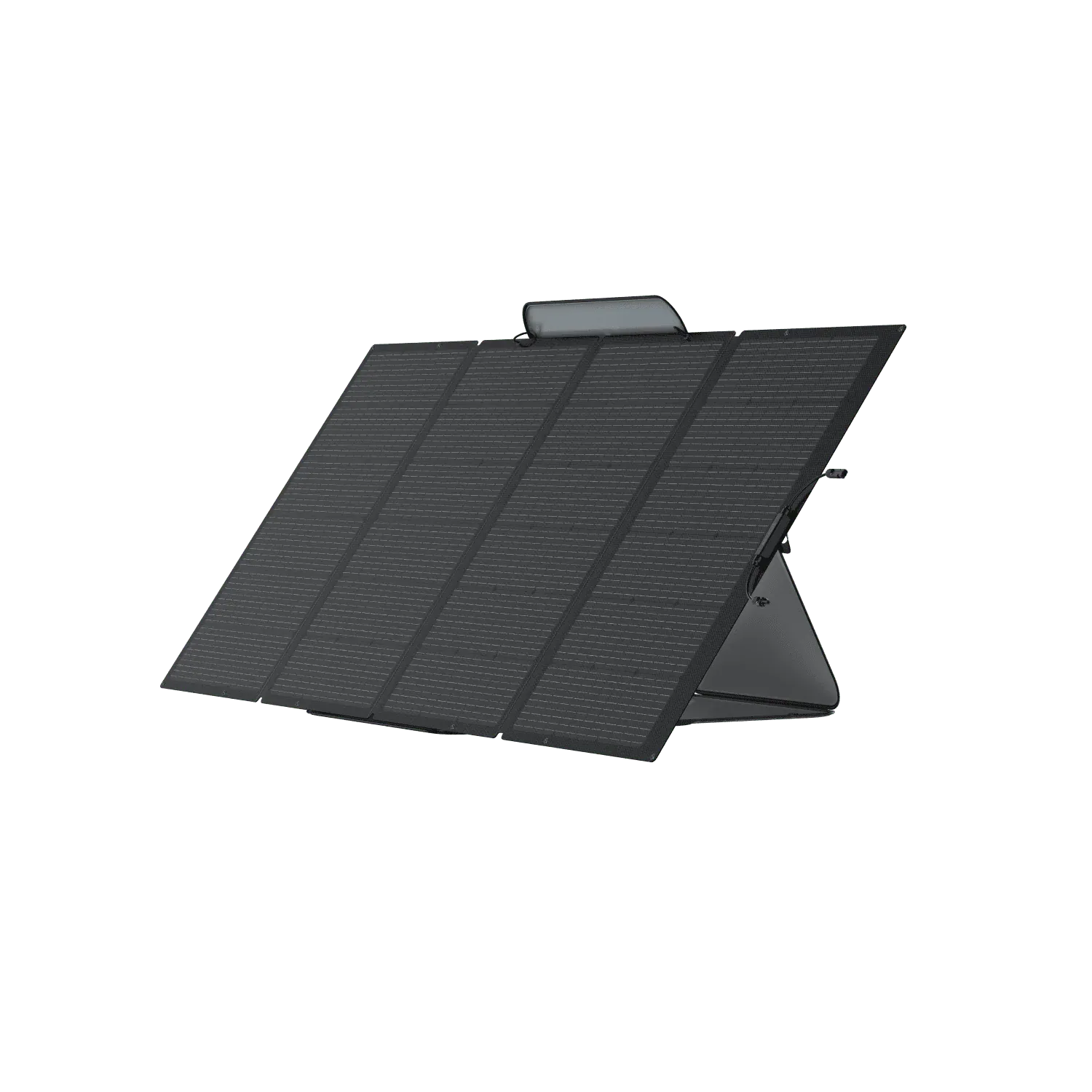
Keep your Space Heater (1,500W) running with solar • MPPT: 10– 65V • Max: 400W
 Official
 400W Panel
Adapter required: MC4 -> XT60.
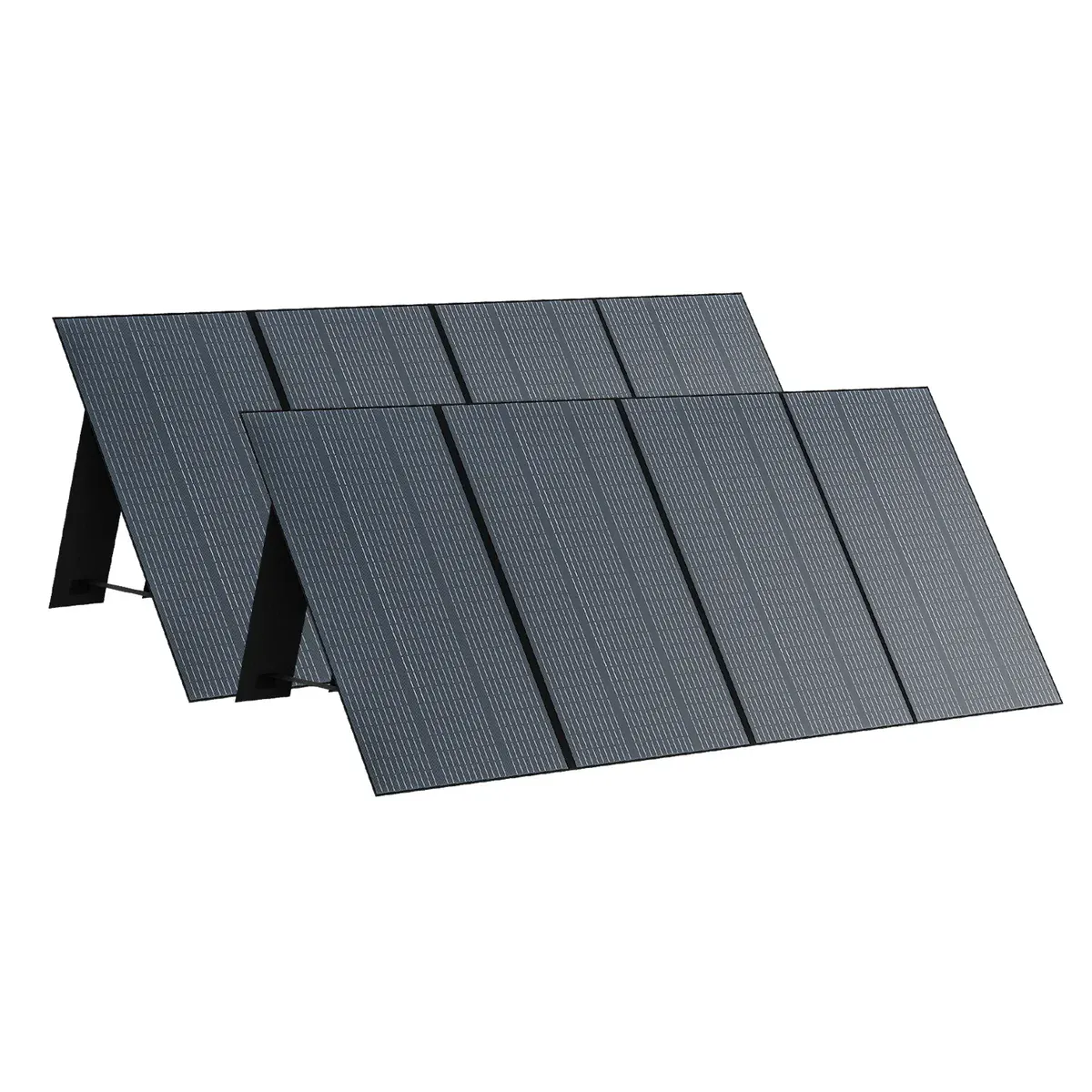 Smart Value
 350W Panel
Adapter required: MC4 -> XT60.
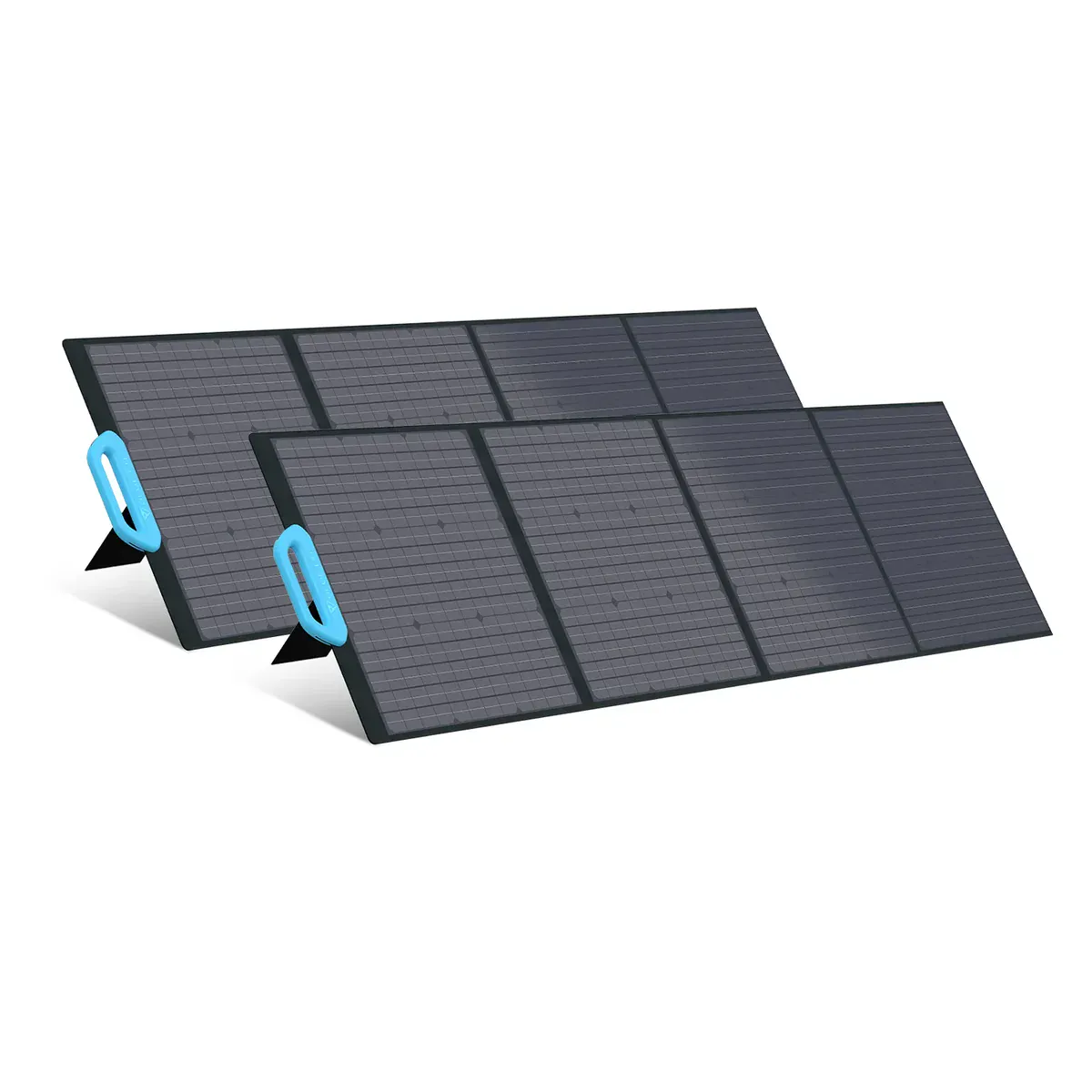 Smart Value
 200W Panel
Adapter required: MC4 -> XT60.
Yes. The EcoFlow DELTA (Gen 1) provides 1800W running / 3300W surge. The Space Heater (1,500W) needs 1651W / 1651W (including 10% buffer). That leaves 149W of running headroom and 1649W of surge margin.
Approximately 0.6 hours, based on the Space Heater (1,500W)'s 1500W draw and the DELTA (Gen 1)'s 1260Wh capacity (70% usable after real-world losses).
Power Tip: To get the most out of your DELTA (Gen 1), keep it in a well-ventilated area. Extreme temperatures can slightly reduce the efficiency of the LFP/NMC cells.
Compare all 33 generators for the Space Heater (1,500W)
Ranked by budget, runtime, and overall compatibility.
Derived from variant list (max of variants). Running worst case = all three variants (1500W). Surge = running (resistive heating element — no motor inrush).
EcoFlow DELTA 1300 User Manual (V1.0)
Similar-output alternatives you can compare side by side.