1
Voltage Gate
PASSDevice output type must match generator output.
120V required -> 120V available
Note: You are viewing specs for the original DELTA (Gen 1)
This legacy model has been officially replaced by a newer version with improved specs.
Yes - DELTA (Gen 1) has enough running and surge power for the Rice Cooker. Target ~1036W running / 1036W surge; the generator provides 1800W / 3300W.
Same decision gates as the engine: voltage, running, surge. Runtime is shown as operational context.
Device output type must match generator output.
120V required -> 120V available
Continuous draw with safety buffer applied.
1,036W required -> 1,800W available (764W headroom)
Startup peak with safety buffer applied.
1,036W required -> 3,300W available (2,264W headroom)
Runtime context only. It does not change the electrical compatibility verdict.
Continuous estimate: 0.9h
Device profile reference: up to 0.5h per day.
Power bars show required versus available output for each gate.
View full compatibility reportQuick compatibility, required headroom, and model-specific context at a glance.
3 of 3 models are SAFE or TIGHT. Most demanding model: Tiger JBV-A18U (10-Cup Micom) (941W surge).
| Model | Running | Surge | Verdict | Runtime | Source |
|---|---|---|---|---|---|
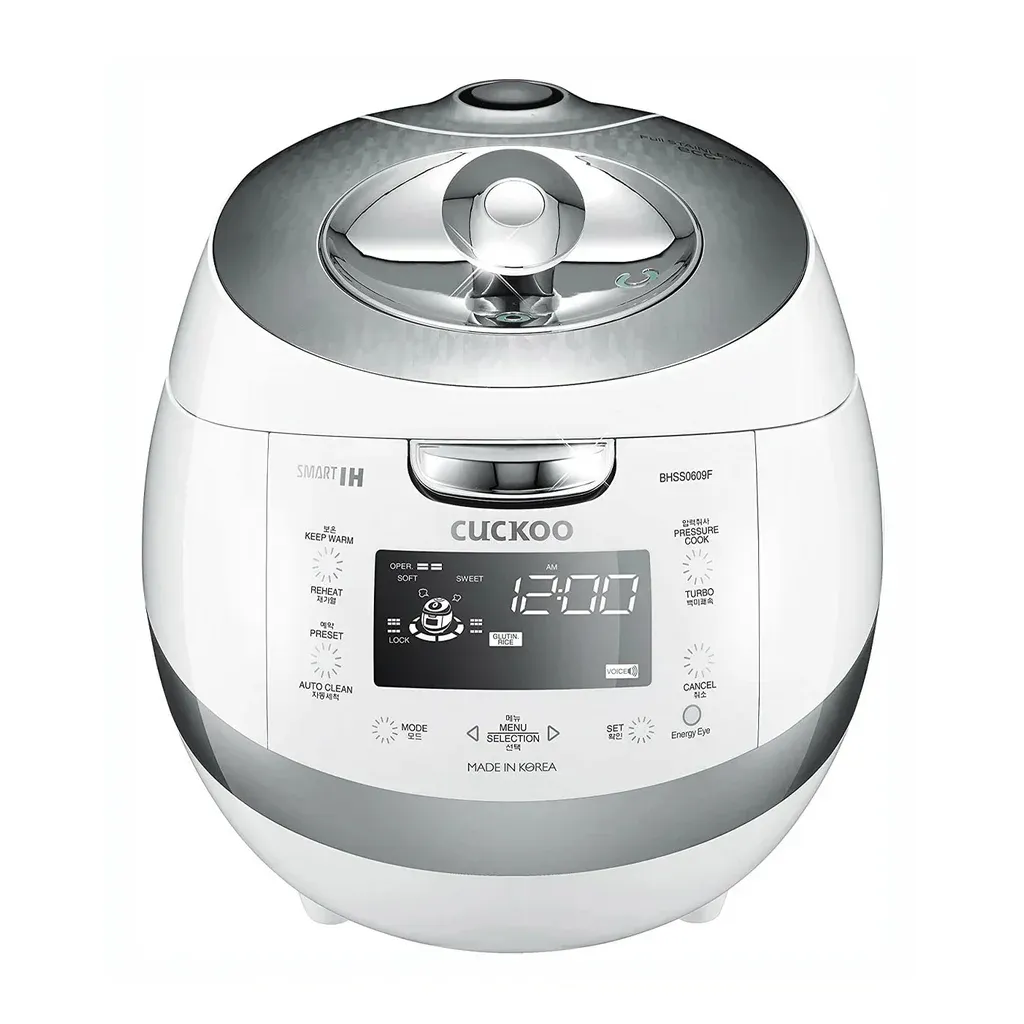
| Aroma ARC-914SBD (8-Cup Digital) | 350W | 350W | Safe | ~2.5h | OEM Verified |
Show expert analysisTechnical: **Running load:** 350 W. **Surge:** 350 W. Requires 120V AC output. Resistive heating element with no motor inrush. One of the lightest rice cooker loads available. Field note: At 350W this is one of the easiest kitchen appliances to run off-grid. Even a compact 300Wh power station can handle a full cook cycle. Can I run this Aroma rice cooker on a small portable power station? Yes — at 350W it works on any power station rated 500W+ continuous. A 500Wh battery handles multiple cook cycles. | |||||
| Zojirushi NS-TSC18 (10-Cup Micom) | 820W | 820W | Safe | ~1.1h | OEM Manual |
Show expert analysisTechnical: **Running load:** 820 W. **Surge:** 820 W (no inrush spike). **Voltage:** 120 V AC required. Micom (microcomputer) fuzzy-logic heating draws more than basic rice cookers due to advanced temperature control. Field note: The 10-cup Zojirushi is a mid-range load. Power stations rated 1000W+ handle it with comfortable margin. The fuzzy logic cycling means average draw is below 820W over a full cook. Can I run this Zojirushi on a 500W power station? No — it draws 820W continuous. You need at least a 1000W-rated power station for safe operation. | |||||
| Tiger JBV-A18U (10-Cup Micom) | 941W | 941W | Safe | ~0.9h | OEM Verified |
Show expert analysisTechnical: **Running load:** 941 W. **Surge:** 941 W. Requires 120V AC output. Micom-controlled heating with no motor inrush. The highest-draw standard rice cooker in this comparison. Field note: At 941W this is the heaviest standard rice cooker load. A 1200W power station handles it with margin. Don't confuse this with induction heating models (1300W+) which are a different class. Why does this Tiger draw more than a Zojirushi of the same size? Heating element wattage varies by design. The Tiger JBV-A18U uses a 941W element vs 820W for the Zojirushi NS-TSC18 — both are 10-cup micom cookers but with different heating configurations. | |||||
This unit ranks #8 of 25 compatible generators for this device by buffered margin (Overkill class).
25 of 33 generators are SAFE+TIGHT for Rice Cooker.
Fit class uses buffered needs (running and surge) for this device.
Rice Preparation
Select Your Model:
Free Tools
The 3300W surge capacity can handle typical startup demands from refrigerators, well pumps, and other motor-driven appliances that require brief inrush current. The 1800W continuous rating supports sustained loads like power tools, kitchen appliances, and electronics. Understand that this is a legacy unit no longer in active production.
This legacy model uses NMC lithium chemistry in a 1260Wh battery pack. The manufacturer documentation outlines operational guidelines and user precautions for safe charging and discharging cycles. Source: EcoFlow DELTA 1300 User Manual (manufacturer documentation). This model has been discontinued and replaced by newer generations.
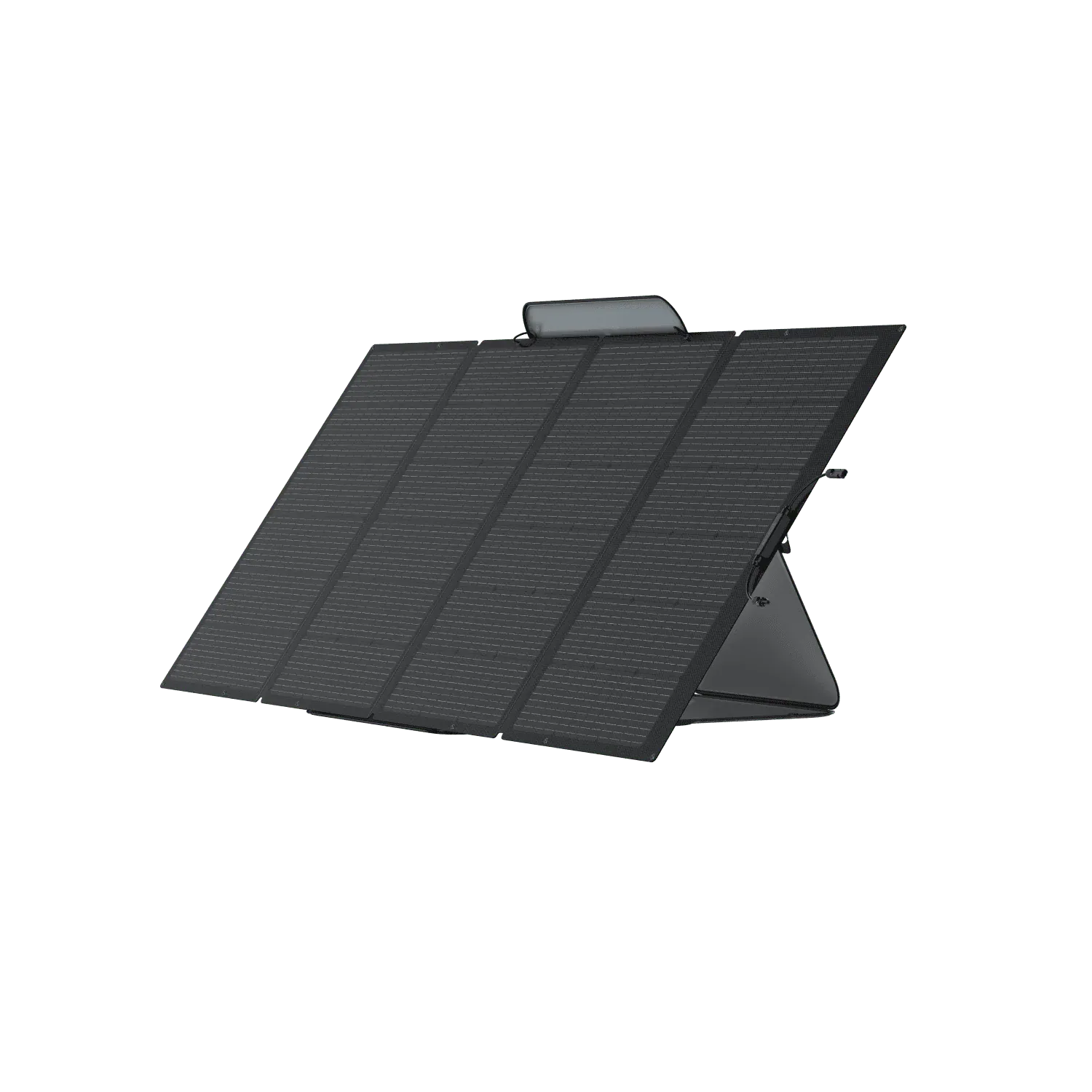
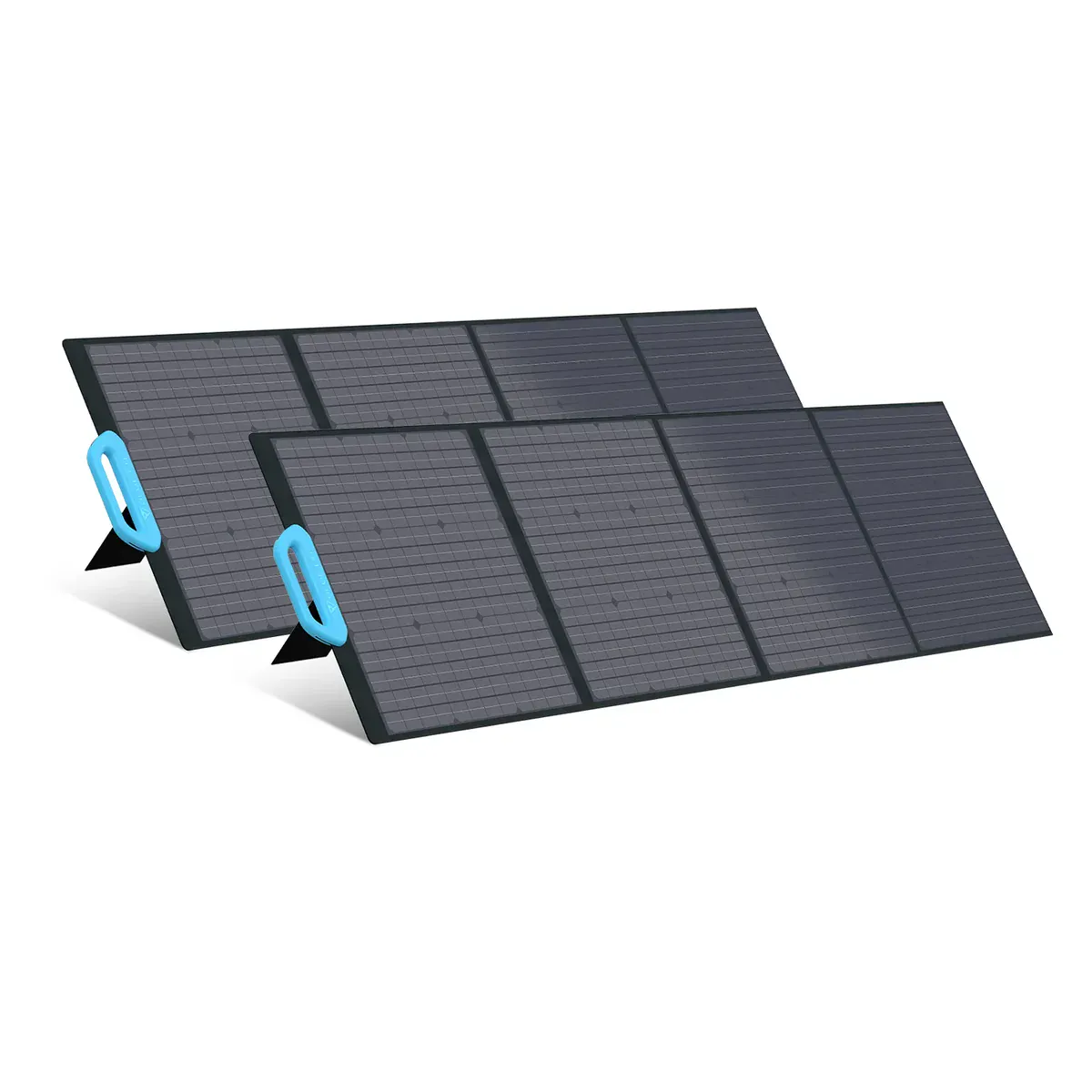
Keep your Rice Cooker running with solar • MPPT: 10– 65V • Max: 400W
 Official
 400W Panel
Adapter required: MC4 -> XT60.
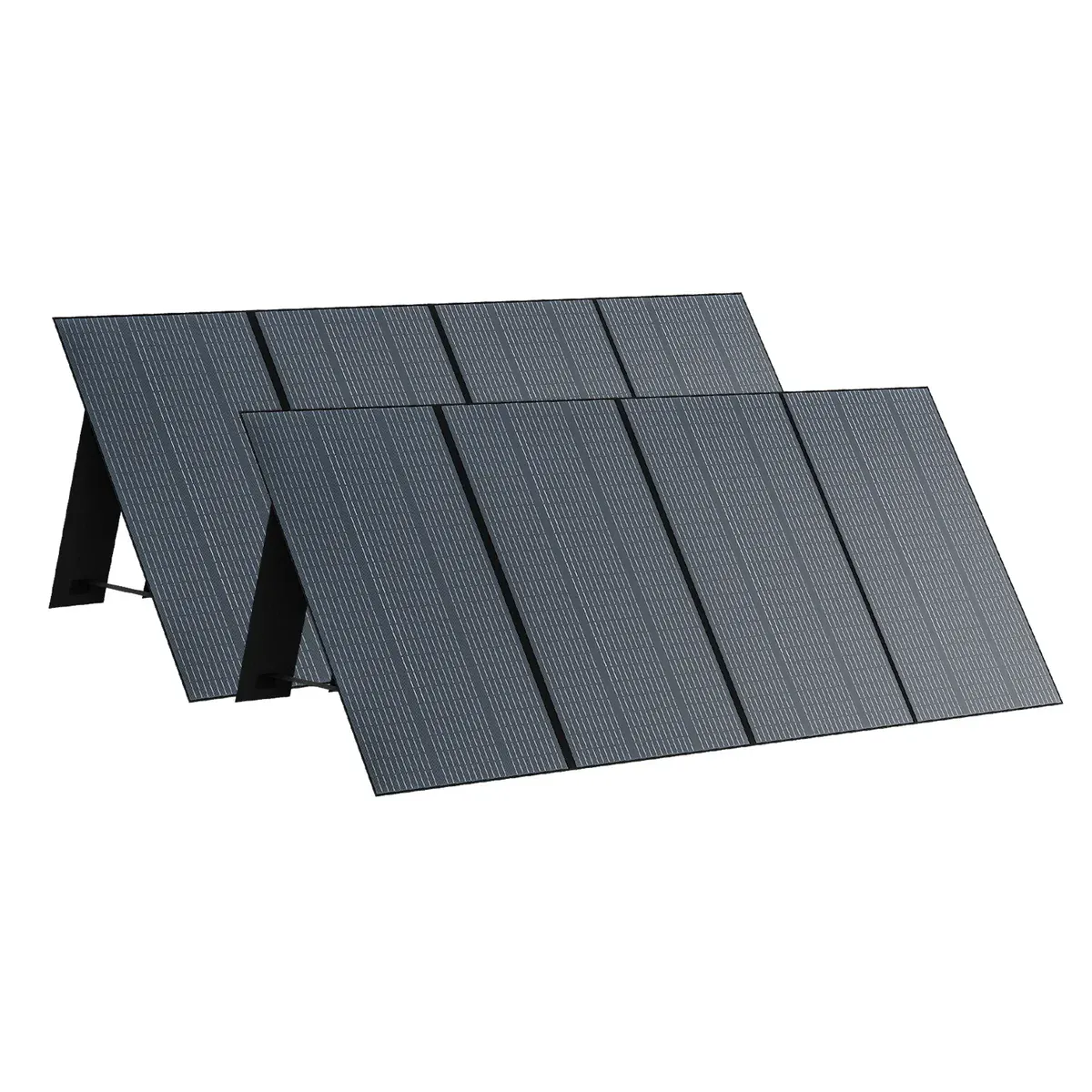 Smart Value
 350W Panel
Adapter required: MC4 -> XT60.
 Smart Value
 200W Panel
Adapter required: MC4 -> XT60.
Yes. The EcoFlow DELTA (Gen 1) provides 1800W running / 3300W surge. The Rice Cooker needs 1036W / 1036W (including 10% buffer). That leaves 764W of running headroom and 2264W of surge margin.
Approximately 0.9 hours, based on the Rice Cooker's 941W draw and the DELTA (Gen 1)'s 1260Wh capacity (70% usable after real-world losses).
With 490W allocated to the Rice Cooker, the DELTA (Gen 1) still has ~9W of margin. These devices could run simultaneously:
Efficiency Hack: Large appliances like the Rice Cooker cycle on and off. To maximize the 0.9 hours of runtime, try to minimize how often you open the device or introduce heat loads.
Compare all 33 generators for the Rice Cooker
Ranked by budget, runtime, and overall compatibility.
Derived from variant list (max of variants). Running worst case = Tiger JBV-A18U (941W). Surge = running (resistive heating element — no motor inrush).
EcoFlow DELTA 1300 User Manual (V1.0)
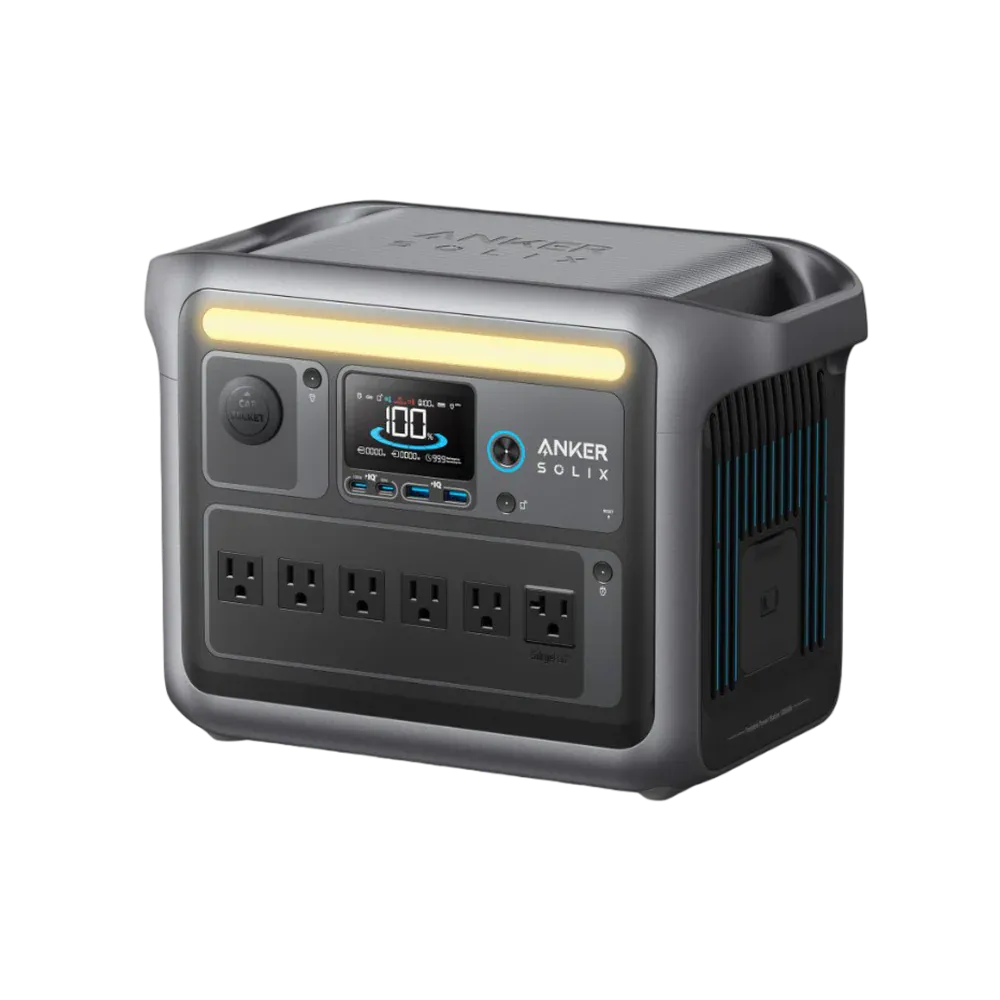
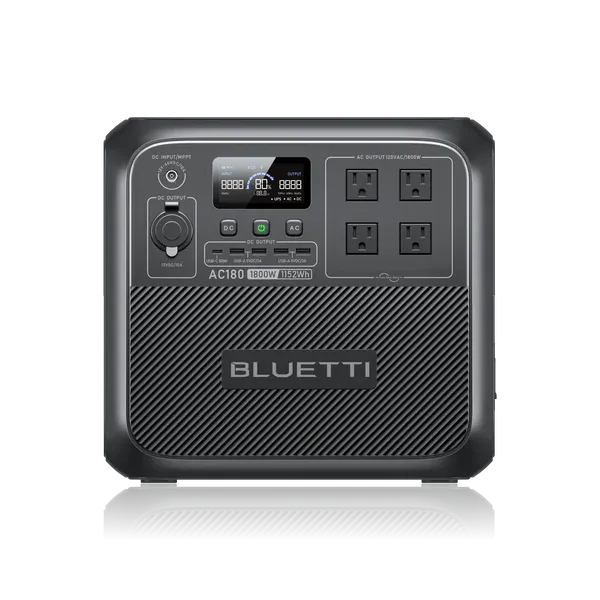
Similar-output alternatives you can compare side by side.