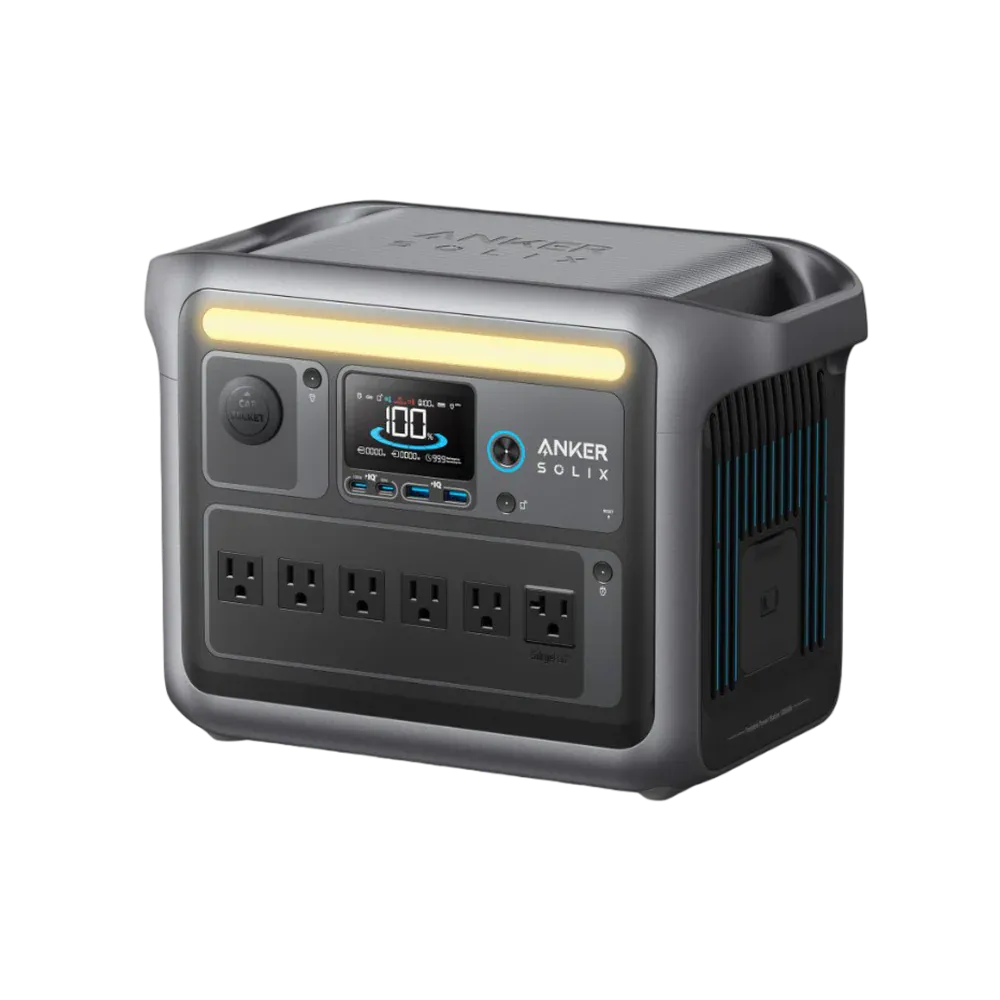
1
Voltage Gate
PASSDevice output type must match generator output.
120V required -> 120V available
Note: You are viewing specs for the original DELTA (Gen 1)
This legacy model has been officially replaced by a newer version with improved specs.
This pairing clears the safety headroom. Required ~127W running and 127W surge; the DELTA (Gen 1) is rated 1800W / 3300W.
Same decision gates as the engine: voltage, running, surge. Runtime is shown as operational context.
Device output type must match generator output.
120V required -> 120V available
Continuous draw with safety buffer applied.
127W required -> 1,800W available (1,673W headroom)
Startup peak with safety buffer applied.
127W required -> 3,300W available (3,173W headroom)
Runtime context only. It does not change the electrical compatibility verdict.
Continuous estimate: 8.0h
Device profile reference: up to 2h per day.
Power bars show required versus available output for each gate.
View full compatibility reportQuick compatibility, required headroom, and model-specific context at a glance.
3 of 3 models are SAFE or TIGHT. Most demanding model: Drive Medical Power Neb Ultra (110W surge).
| Model | Running | Surge | Verdict | Runtime | Source |
|---|---|---|---|---|---|
| Omron CompAir NE-C801 | 12W | 12W | Safe | ~73.5h | Engineering Est. |
Show expert analysisTechnical: **Running load:** ~12W AC (12V × 0.8A DC via external AC adapter). **Surge:** ~12W (DC-powered, no motor inrush at the AC side). **Voltage:** 100-240V AC input (universal adapter). This is the lowest-draw nebulizer in this comparison by a wide margin — the external DC adapter eliminates AC-side compressor surge. Field note: The Omron NE-C801 is the most portable-power-friendly nebulizer available. At only 12W, even a 150Wh power bank with AC output can provide over 10 hours of therapy. The DC adapter also means modified sine wave inverters are less of a concern — the adapter handles AC conversion internally. Always carry a backup adapter. Can I run the Omron CompAir nebulizer on a small portable power station? Only if your power source can supply at least 12W continuous at 120V. This device draws minimal power and is compatible with virtually any power station or battery pack with an AC outlet. | |||||
| PARI PRONEB Max | 98W | 98W | Safe | ~9.0h | Gov. Database |
Show expert analysisTechnical: **Running load:** 98W (FDA 510(k) filing, under normal load). **Surge:** 98W (OEM surge data not published — shaded pole motors have low inrush characteristics). **Voltage:** 120V AC, 60 Hz. The PRONEB Max uses an AC-powered shaded pole motor driving an oil-free piston compressor at 30+ psig. Field note: The PARI PRONEB Max is the current hospital-grade standard, replacing the PARI Vios. At 98W it requires a power station with at least 200W continuous output. For respiratory therapy on battery backup, pure sine wave output is recommended — AC shaded pole motors may run hot or lose efficiency on modified sine wave inverters. This is a life-sustaining medical device: always have a backup power source. Can I use the PARI PRONEB Max nebulizer during a power outage with a portable power station? Only if your power source can supply at least 98W continuous at 120V. Pure sine wave output is recommended for this AC motor-driven compressor. Always maintain a backup power source for life-sustaining respiratory therapy. | |||||
| Drive Medical Power Neb Ultra | 110W | 110W | Safe | ~8.0h | OEM Manual |
Show expert analysisTechnical: **Running load:** 110W (110 VA OEM rated — apparent power, conservative for sizing). **Surge:** 110W (OEM surge data not published — piston compressor motor has some startup inrush but OEM does not specify). **Voltage:** 120V AC, 60 Hz. The Power Neb Ultra uses a piston-driven AC motor compressor producing 30+ psig at 8 LPM free air flow. Field note: The Drive Medical Power Neb Ultra is the most common insurance-reimbursed nebulizer in the US. At 110 VA it draws the most power in this comparison. Pure sine wave output is recommended for the AC piston motor. The 110 VA rating is apparent power — real watts may be lower, but size your power station to the VA rating for safety. This is a medical device: always have a backup power source. Can I run the Drive Medical nebulizer on a portable power station during an outage? Only if your power source can supply at least 110W continuous at 120V. Pure sine wave output is recommended for this AC motor-driven compressor. Always maintain a backup power source for respiratory therapy. | |||||
This unit ranks #16 of 33 compatible generators for this device by buffered margin (Overkill class).
33 of 33 generators are SAFE+TIGHT for Medical Nebulizer Machine.
Fit class uses buffered needs (running and surge) for this device.
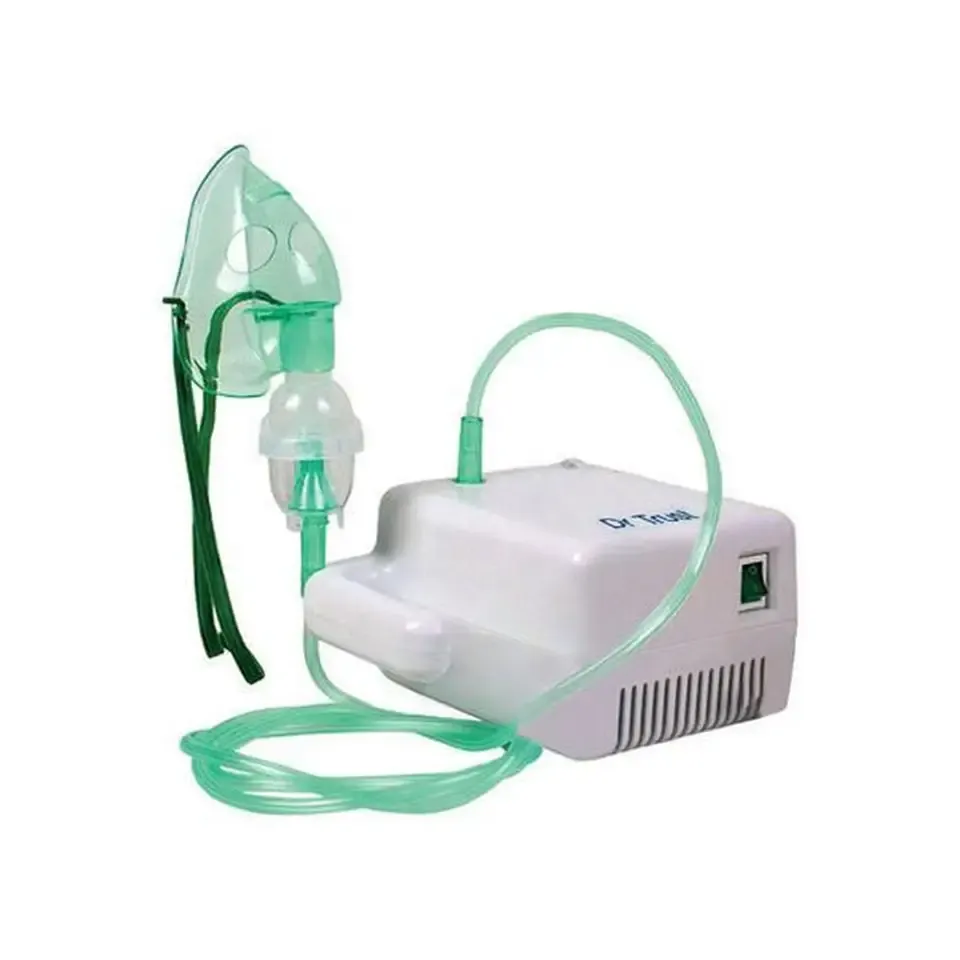
Respiratory Therapy Session
Select Your Model:
Free Tools
The 3300W surge capacity can handle typical startup demands from refrigerators, well pumps, and other motor-driven appliances that require brief inrush current. The 1800W continuous rating supports sustained loads like power tools, kitchen appliances, and electronics. Understand that this is a legacy unit no longer in active production.
This legacy model uses NMC lithium chemistry in a 1260Wh battery pack. The manufacturer documentation outlines operational guidelines and user precautions for safe charging and discharging cycles. Source: EcoFlow DELTA 1300 User Manual (manufacturer documentation). This model has been discontinued and replaced by newer generations.
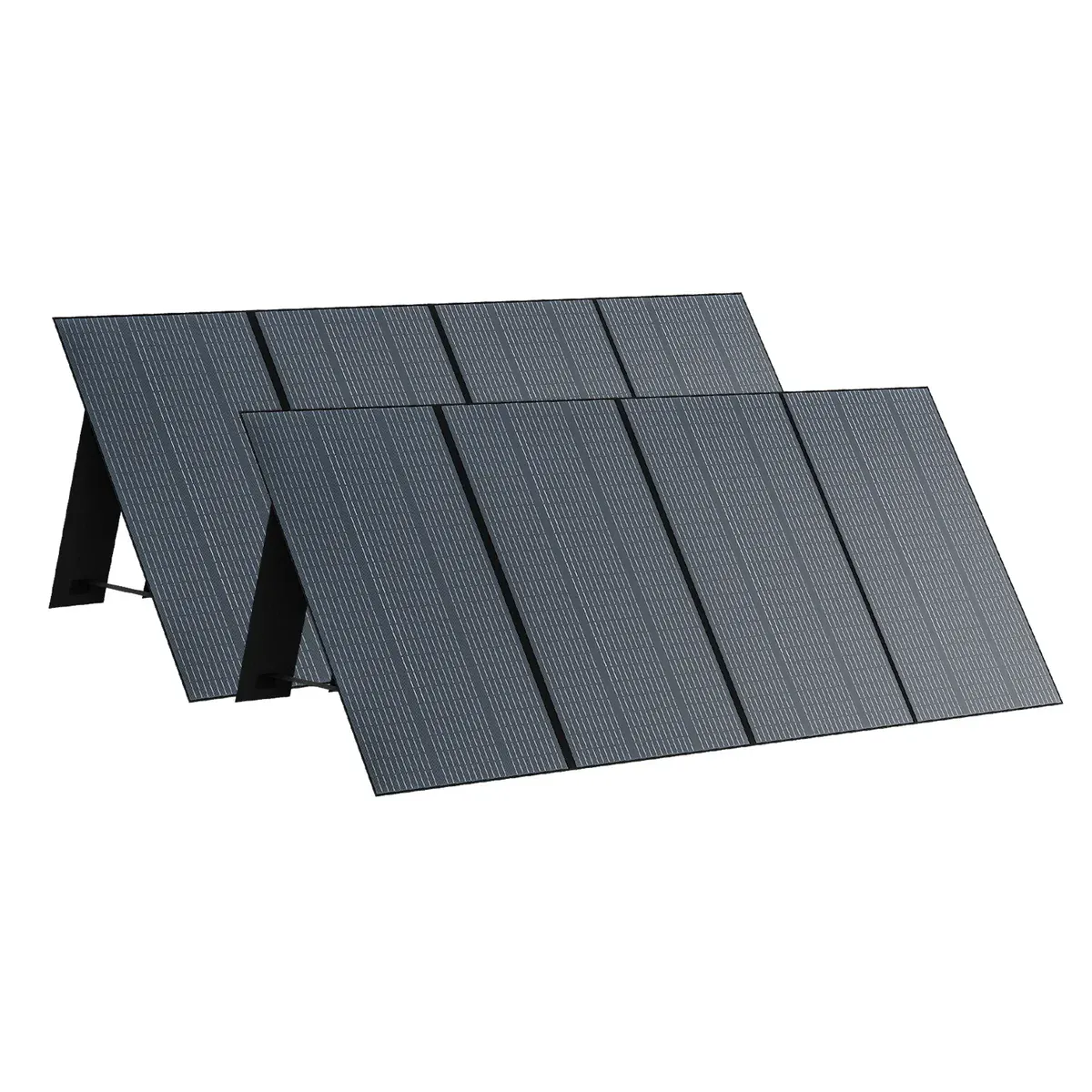
Keep your Medical Nebulizer Machine running with solar • MPPT: 10– 65V • Max: 400W
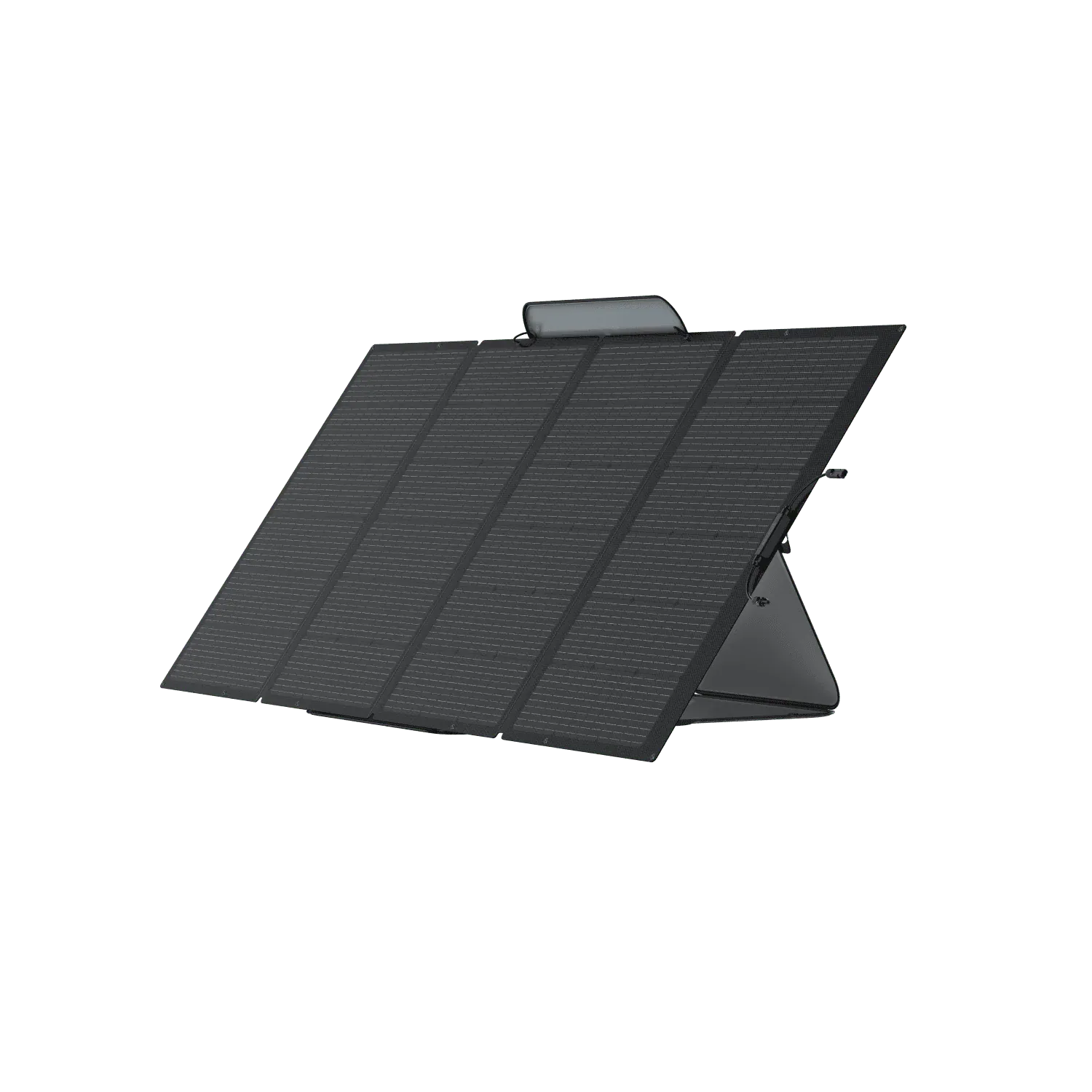 Official
 400W Panel
Adapter required: MC4 -> XT60.
 Smart Value
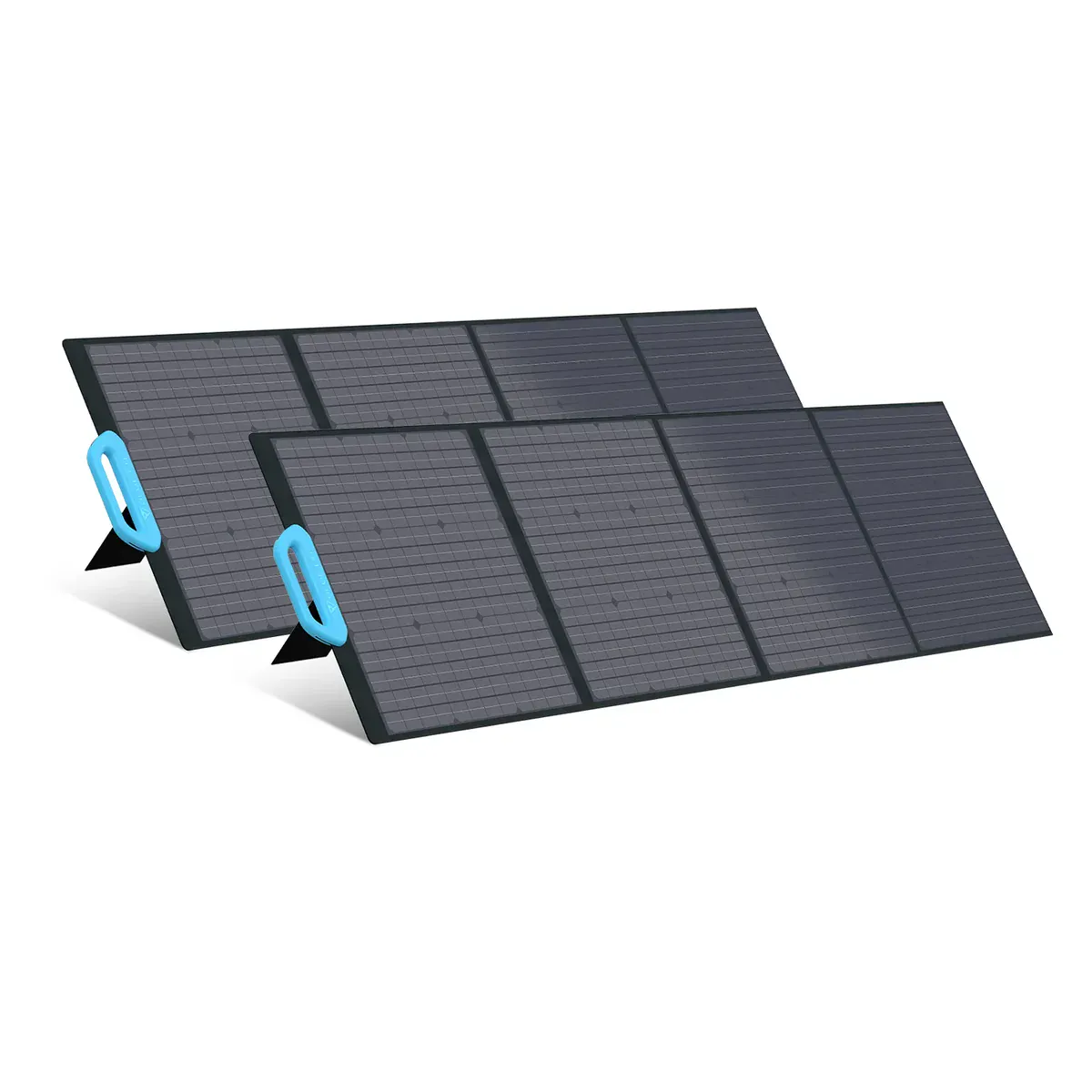
 350W Panel
Adapter required: MC4 -> XT60.
 Smart Value
 200W Panel
Adapter required: MC4 -> XT60.
Yes. The EcoFlow DELTA (Gen 1) provides 1800W running / 3300W surge. The Medical Nebulizer Machine needs 127W / 127W (including 15% buffer). That leaves 1673W of running headroom and 3173W of surge margin.
Approximately 8.0 hours, based on the Medical Nebulizer Machine's 110W draw and the DELTA (Gen 1)'s 1260Wh capacity (70% usable after real-world losses).
With 1250W allocated to the Medical Nebulizer Machine, the DELTA (Gen 1) still has ~80W of margin. These devices could run simultaneously:
Pro Tip for Medical Users: According to energy reports, turning off the humidifier on your Medical Nebulizer Machine can double your runtime. Using a DC cable instead of the AC plug is also recommended to avoid inverter inefficiency.
Compare all 33 generators for the Medical Nebulizer Machine
Ranked by budget, runtime, and overall compatibility.
Derived from variant list (max of variants). Worst case = Drive Medical Power Neb Ultra (110 VA OEM). Surge data not published by any manufacturer in this class — set equal to running as conservative baseline.
EcoFlow DELTA 1300 User Manual (V1.0)
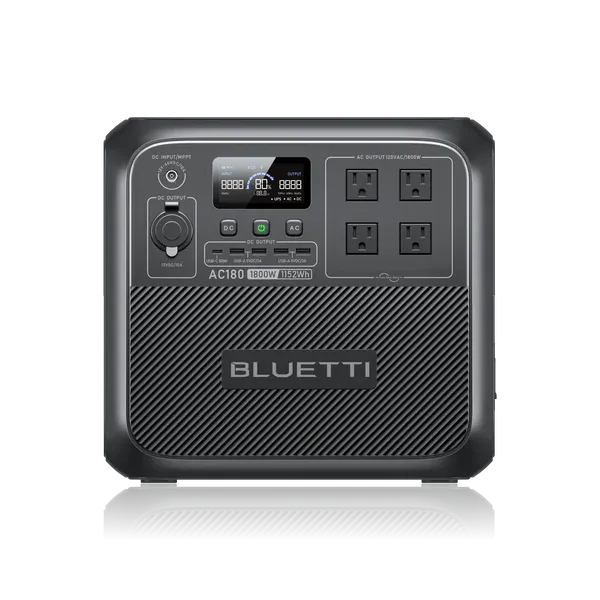
Similar-output alternatives you can compare side by side.