Strengths
- Widest capacity range in our database
- Fast charging (X-Stream)
- Strong solar MPPT ecosystem
- 240V split-phase on Delta Pro Ultra
 E
E Specs, lineup depth, and real compatibility outcomes for EcoFlow models tested against 53 household and RV devices.
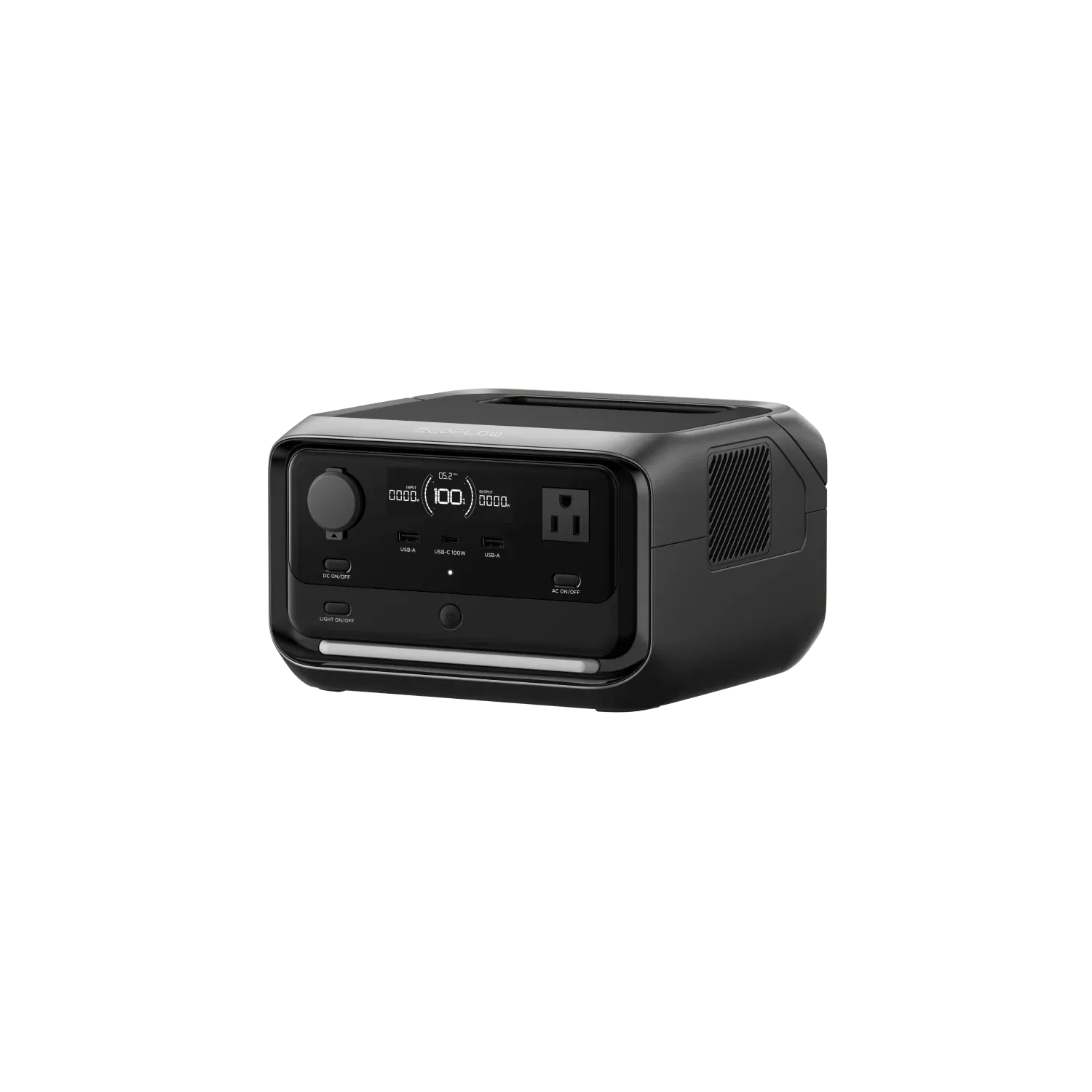
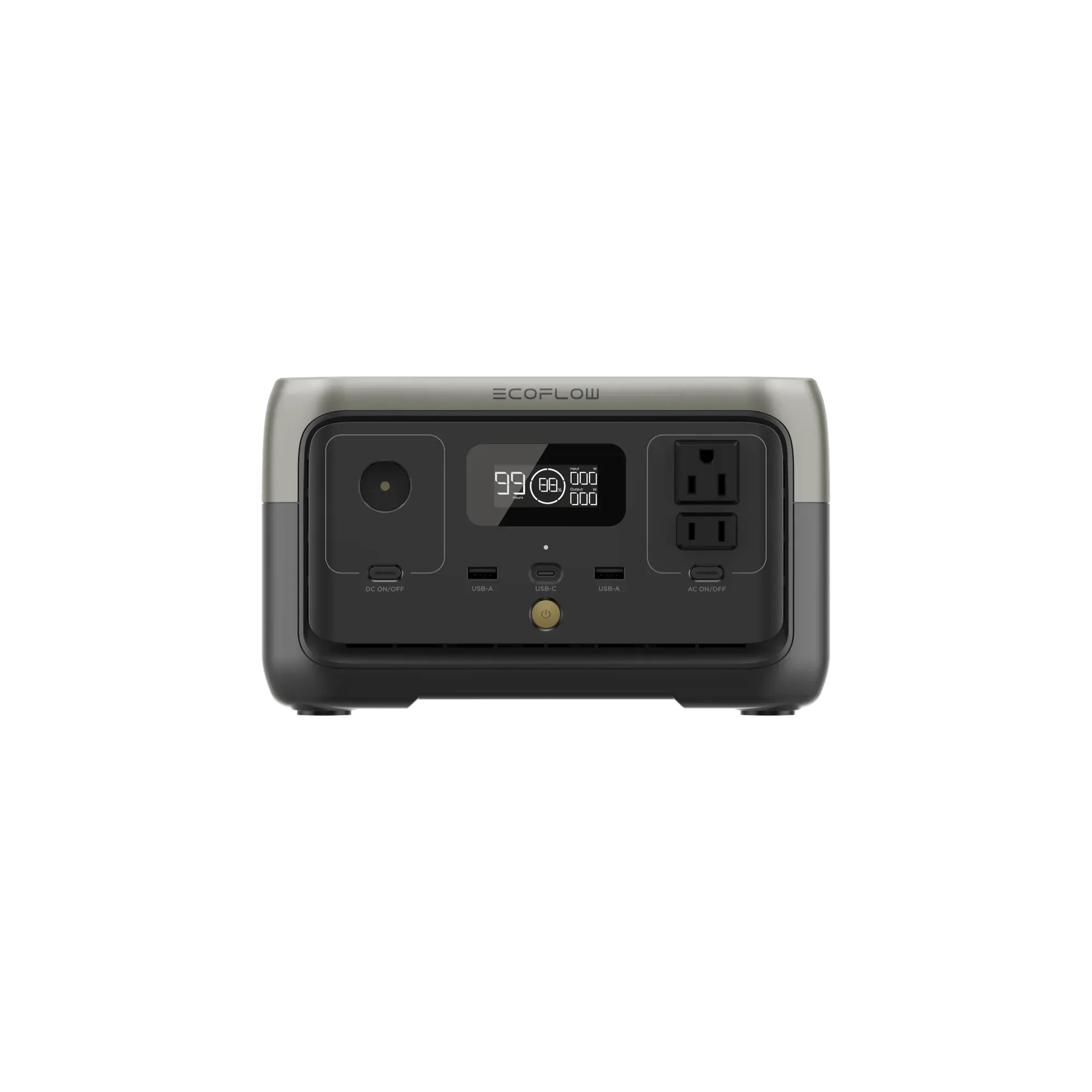
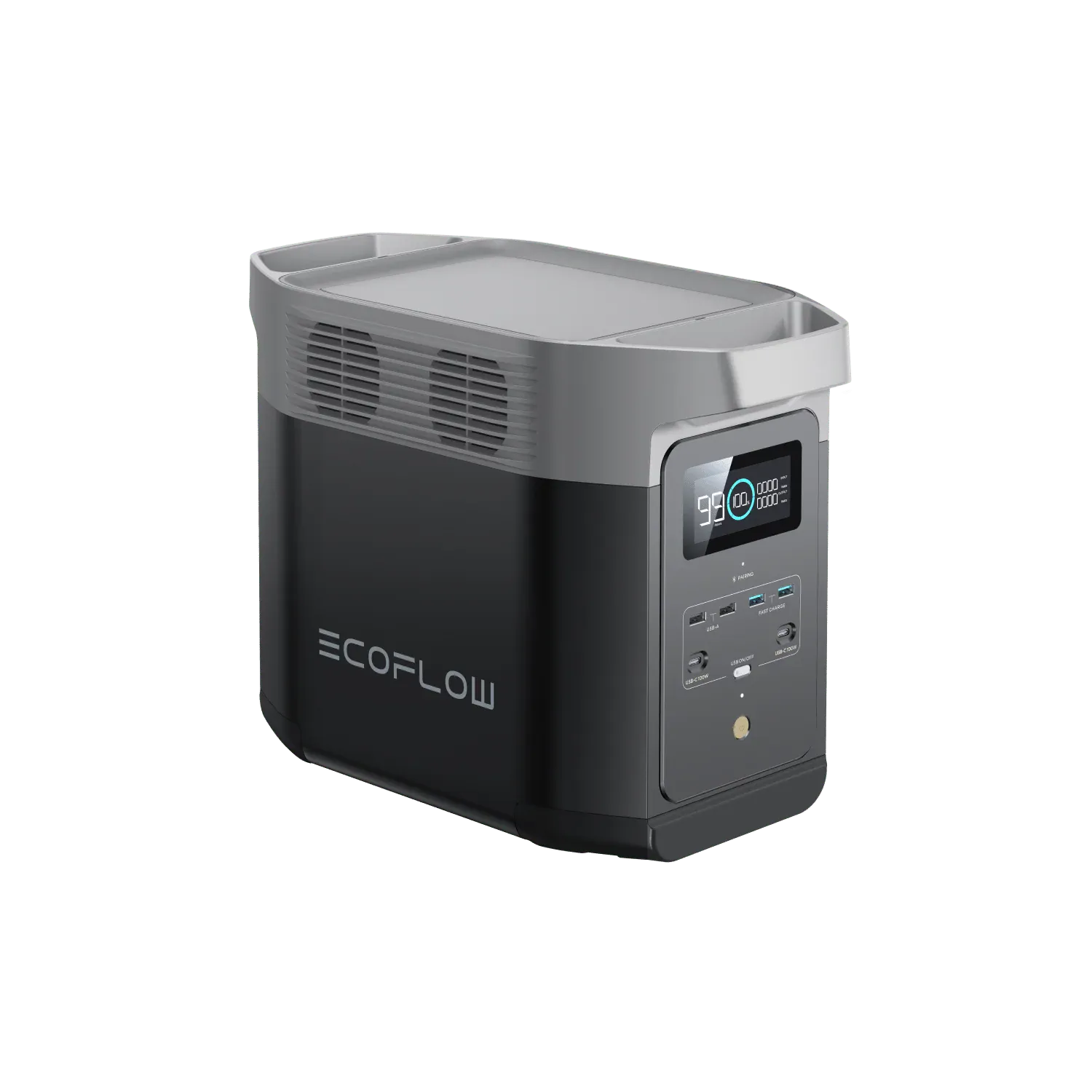
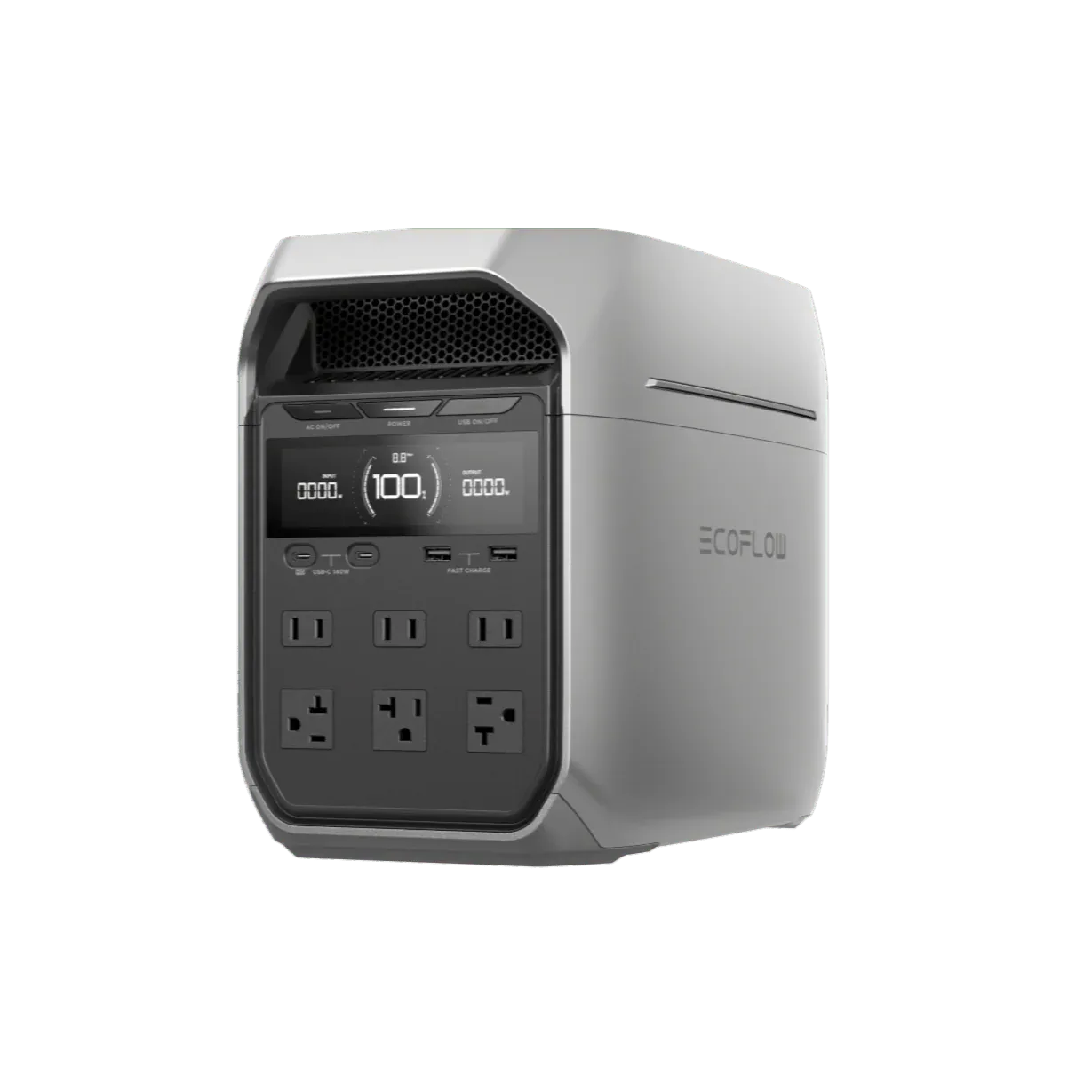
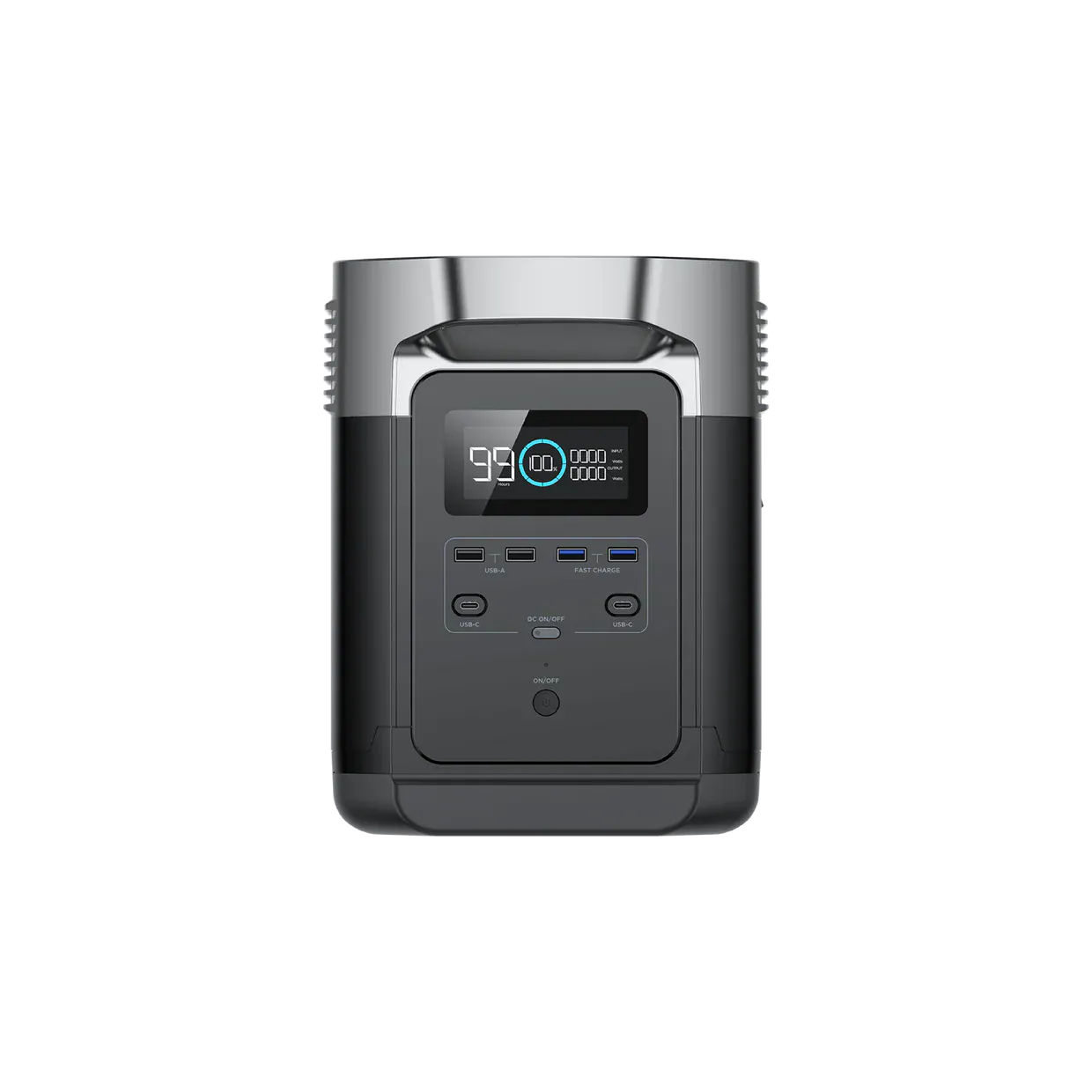
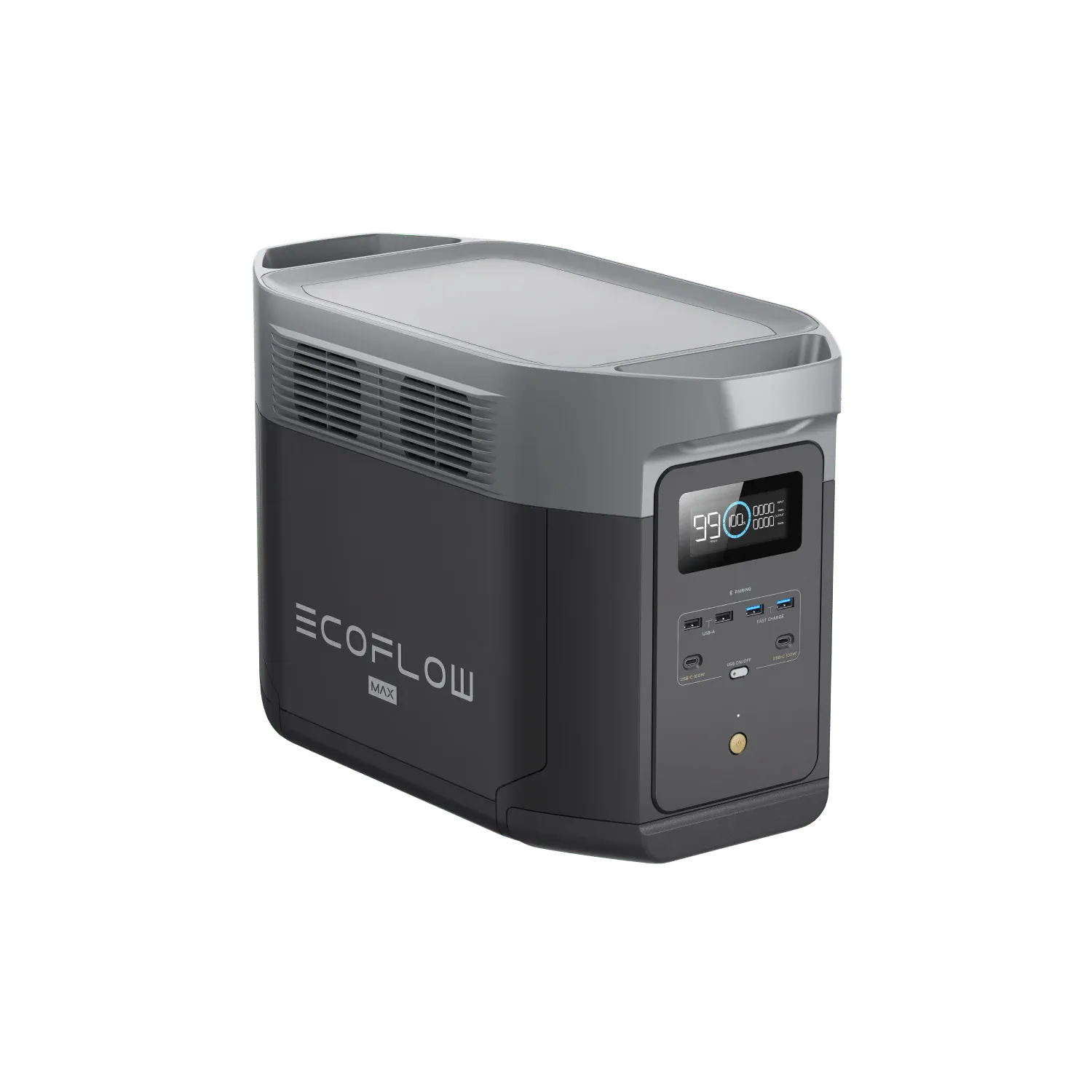
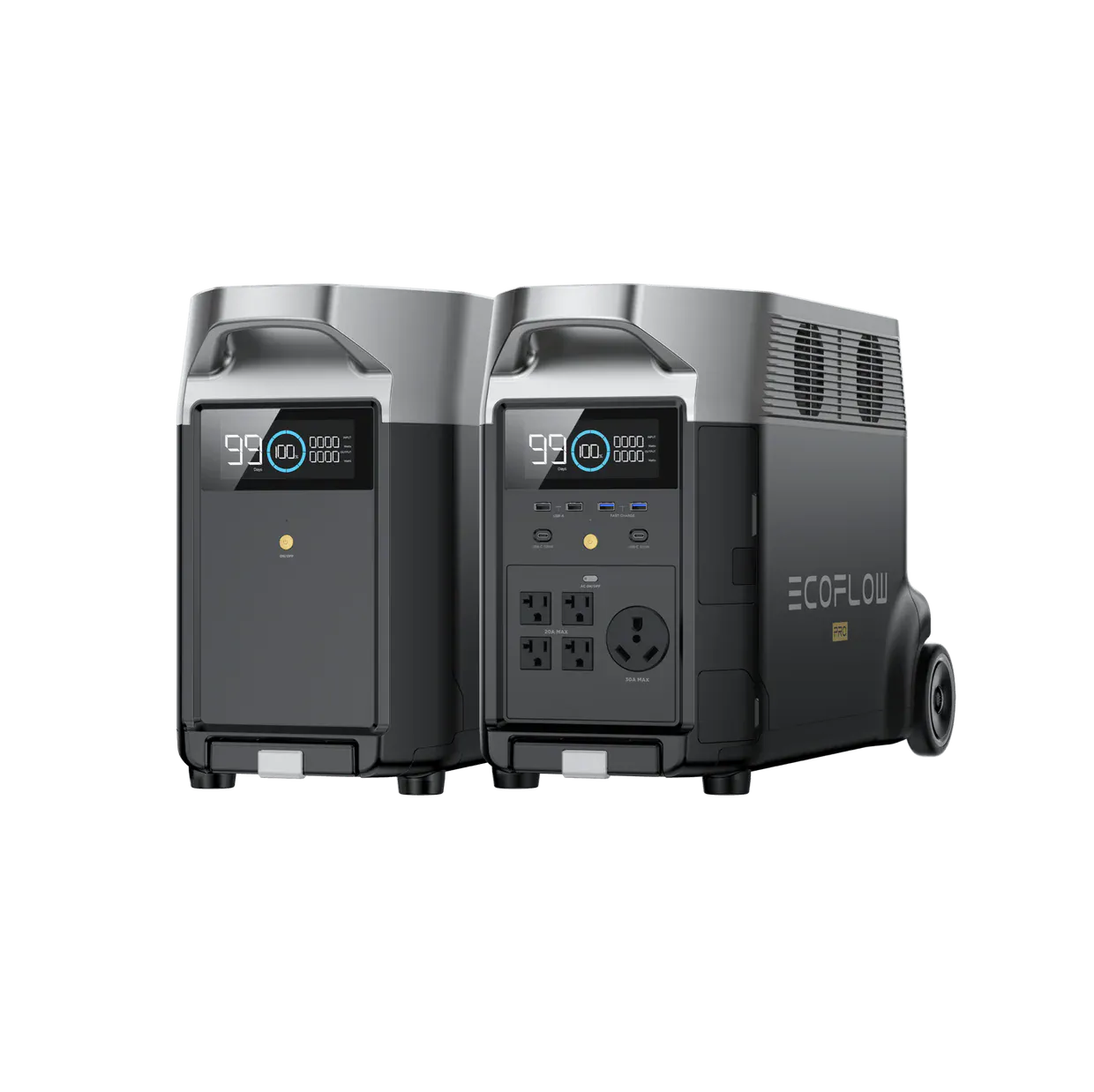
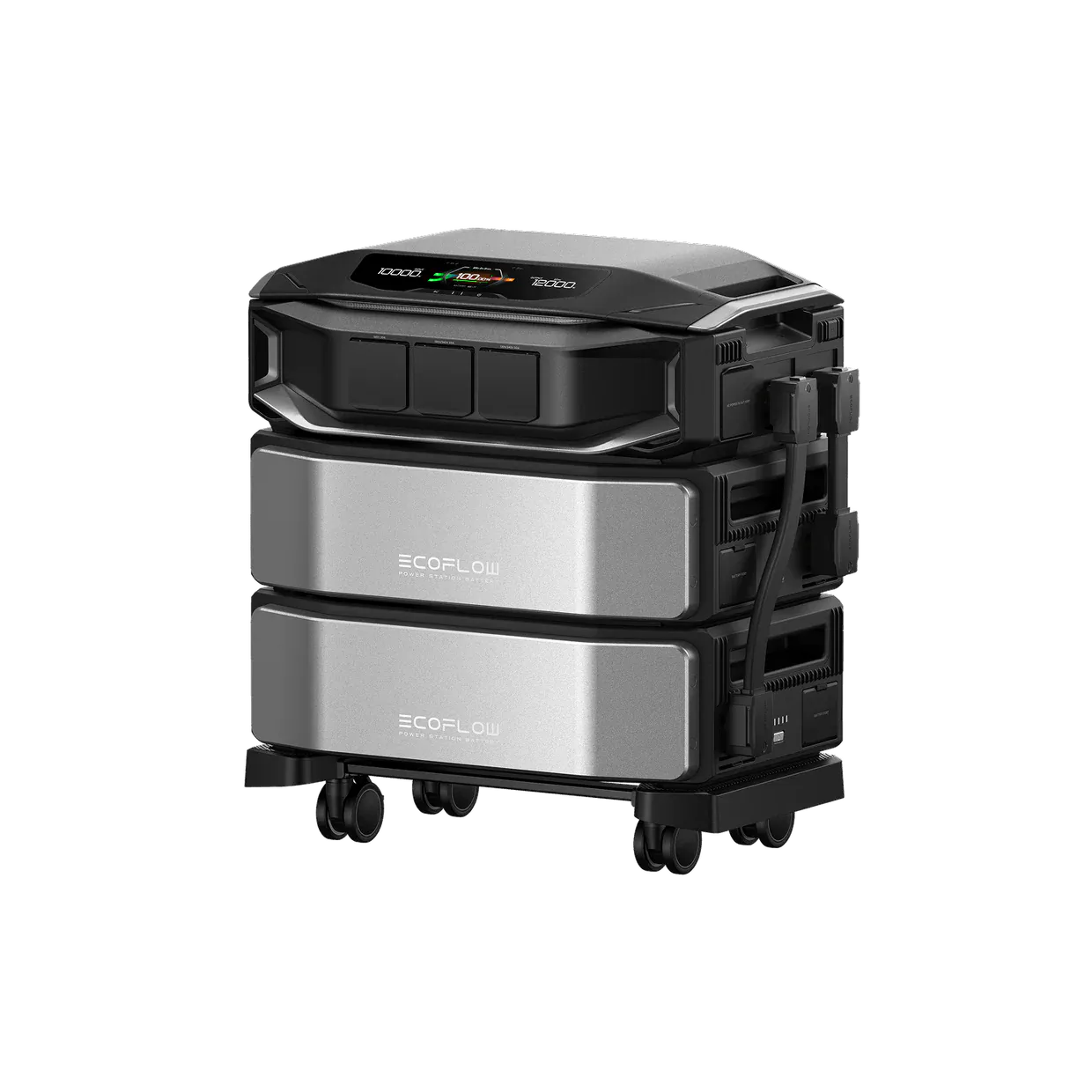
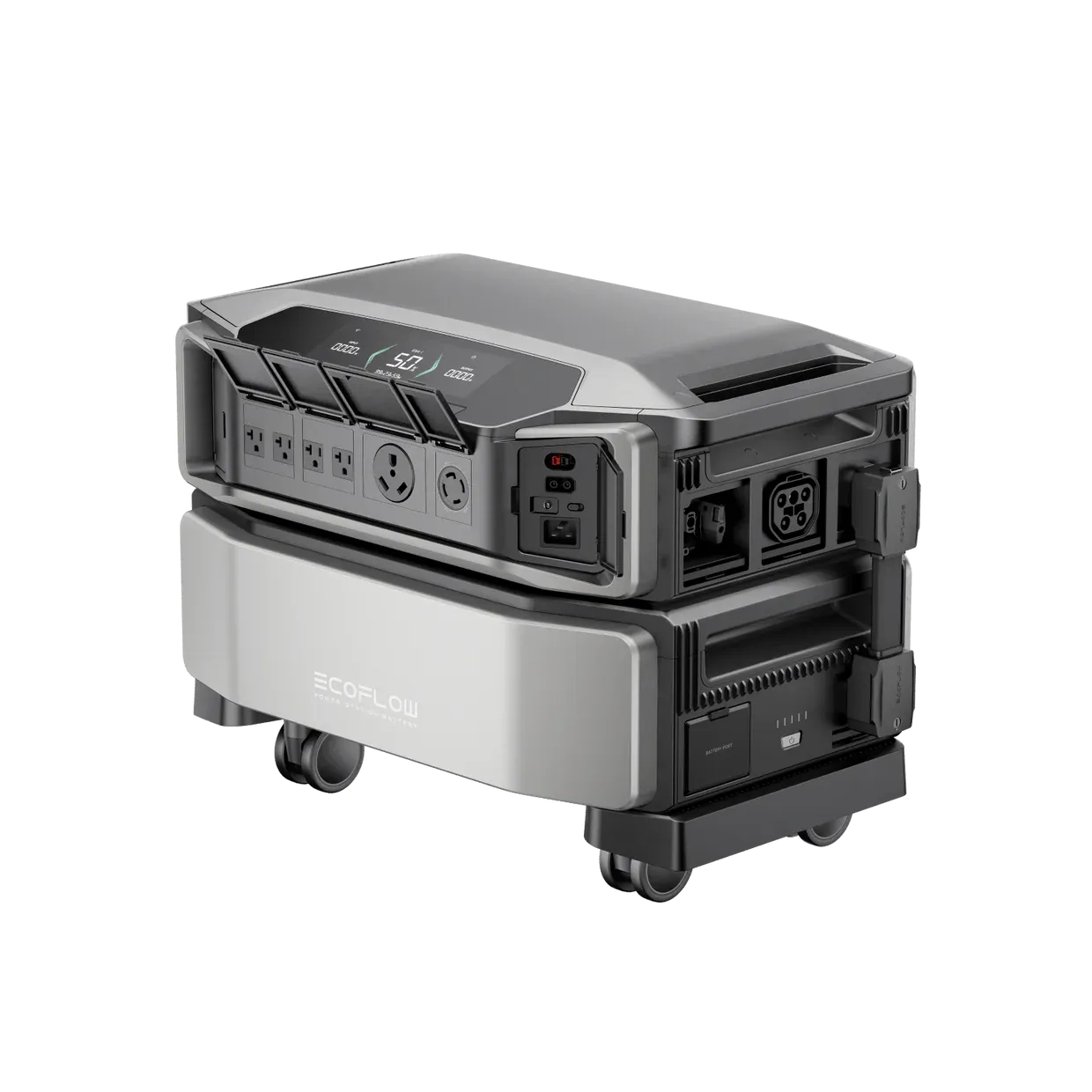
EcoFlow offers the widest lineup in our database, from the compact River 2 (256Wh) to the expandable Delta Pro Ultra (6,144Wh with 240V split-phase). Their X-Stream fast-charging technology and strong solar ecosystem make them a go-to for both casual users and whole-home backup.
53 of 53 devices compatible with at least one EcoFlow model
For camping, travel, phone/laptop charging, and small device backup. These are grab-and-go units.
Best for
Best for
Best for
Best for
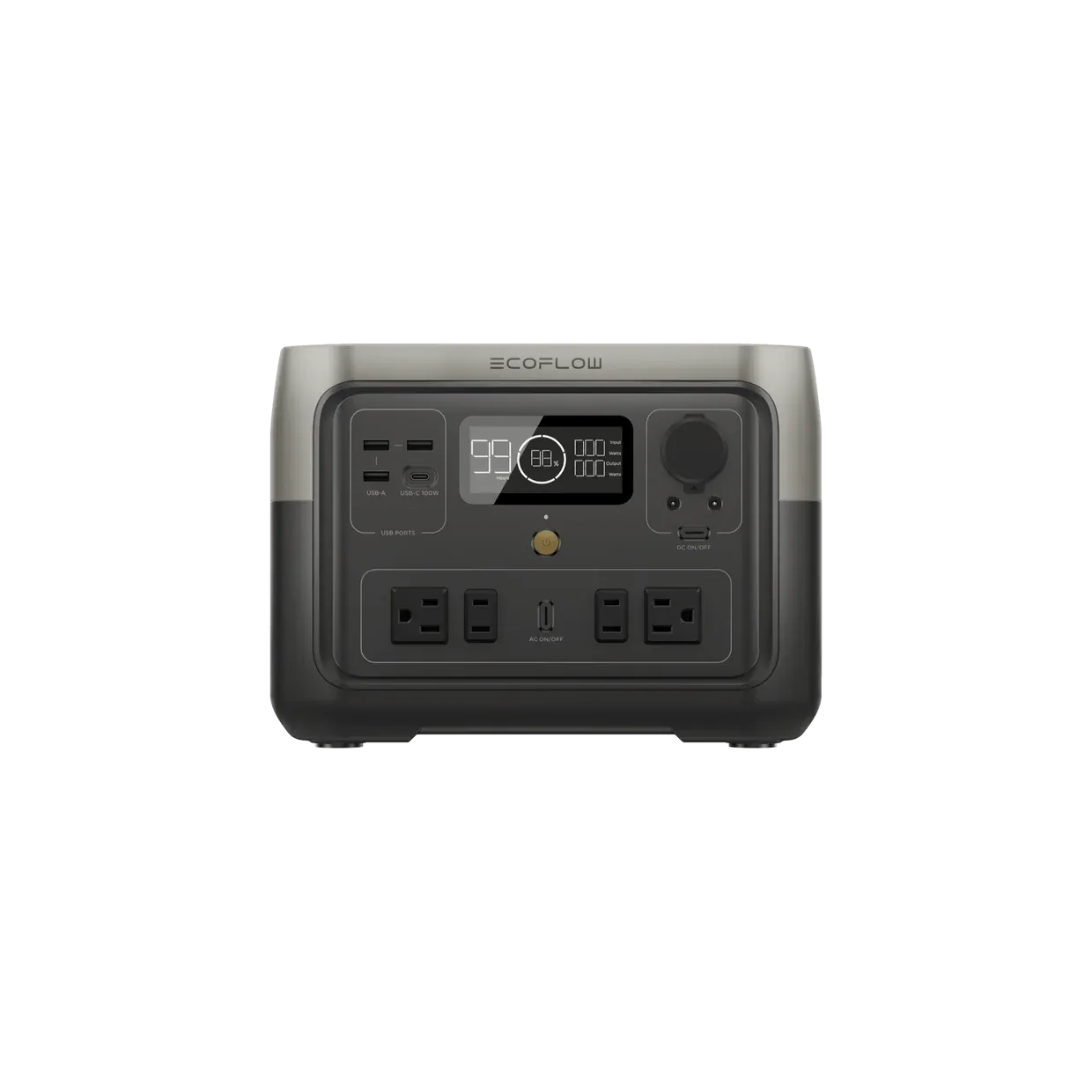
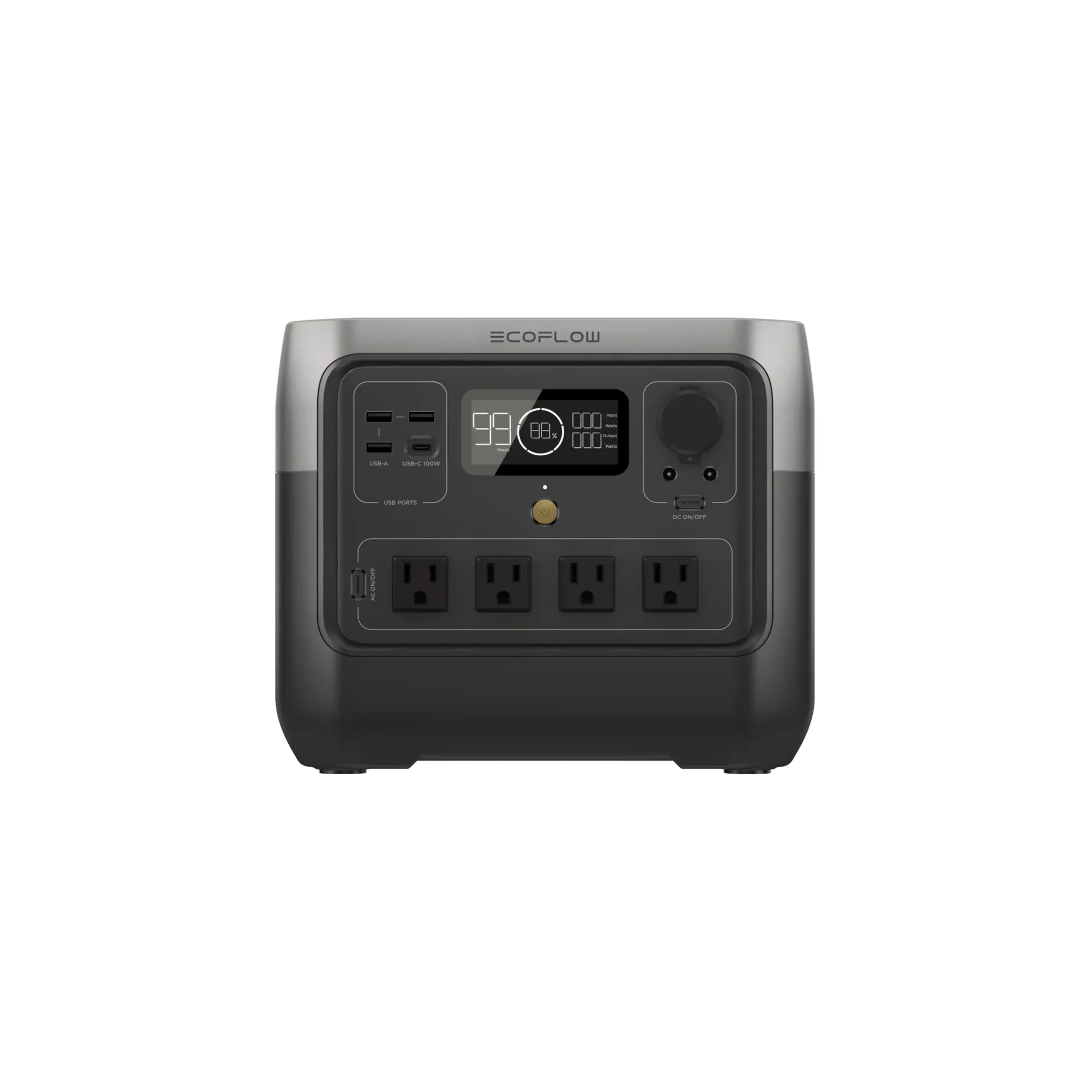
The core of EcoFlow's lineup. Designed for outage backup, RV use, and powering household appliances.
Best for
Best for
Best for
Best for
For serious home backup, 240V loads, and professional use.
Best for
Best for
Best for
Best for
As an Amazon Associate, we earn from qualifying purchases. Our methodology
How EcoFlow units perform with the most commonly searched devices.
| Device | Best EcoFlow Match | Verdict | Runtime | Full Report |
|---|---|---|---|---|
| CPAP Machine Medical 56.1W | Delta Pro Ultra X 6,144 Wh battery | Safe | 76.7h | View report |
| French Door Refrigerator Large Appliances 207W | Delta Pro Ultra X 6,144 Wh battery | Safe | 20.8h | View report |
| Sump Pump (1/2 HP) Emergency 1,127W | Delta Pro Ultra X 6,144 Wh battery | Safe | 3.8h | View report |
| Window AC (8,000 BTU) Heating & Cooling 710W | Delta Pro Ultra X 6,144 Wh battery | Safe | 6.1h | View report |
| Microwave Oven (1000W) Kitchen Appliances 1,920W | Delta Pro Ultra X 6,144 Wh battery | Safe | 2.2h | View report |
Showing best-case results per device. For full results across all 12 models, see individual device guides.
EcoFlow is the most technically aggressive brand in the portable power station market. Founded in 2017 in Shenzhen, China by former DJI battery engineers (including CEO Lei “Bruce” Wang, who previously headed DJI’s battery department), the company has consistently pushed the industry forward on charging speed, inverter output, and smart home integration. They reportedly reached a $1 billion valuation by 2021, and the company claims to serve over 5 million users in 140+ markets, with US operations based in San Francisco and warehouses in California and Texas.
What sets EcoFlow apart isn’t any single product: it’s the pace of innovation. They release new models and iterate on existing lines faster than any competitor. Their product catalog is the widest in the industry, spanning from the 245Wh River 3 (a compact unit for phone and laptop charging) to the Delta Pro Ultra (a 7,200W whole-home backup system with 240V split-phase output and up to 90 kWh of expandable storage). No other brand covers this range with a single ecosystem.
But breadth comes with trade-offs. EcoFlow’s lineup is confusing, their marketing can be misleading (particularly around X-Boost wattage claims), and their customer service has a documented pattern of slow responses and inconsistent technical guidance. This page covers what EcoFlow does well, where it falls short, and who it’s actually for.
This is EcoFlow’s most tangible advantage. Their proprietary X-Stream charging technology delivers AC recharge speeds that no competitor matches at any price tier. The Delta 3 Classic (1 kWh) charges to 80% in 45 minutes. The Delta 3 Ultra Plus (3 kWh) charges in under 50 minutes. The Delta 2 (1,024 Wh) fully charges in about 80 minutes.
For context, a comparable Bluetti or Jackery unit at the same capacity typically takes 2 to 4 hours to charge from a wall outlet. If you live in an area with rolling blackouts, frequent storms, or unpredictable power, and you need to top off quickly between outages, this charging speed is not a convenience feature. It’s a functional advantage that directly affects whether your power station is ready when you need it.
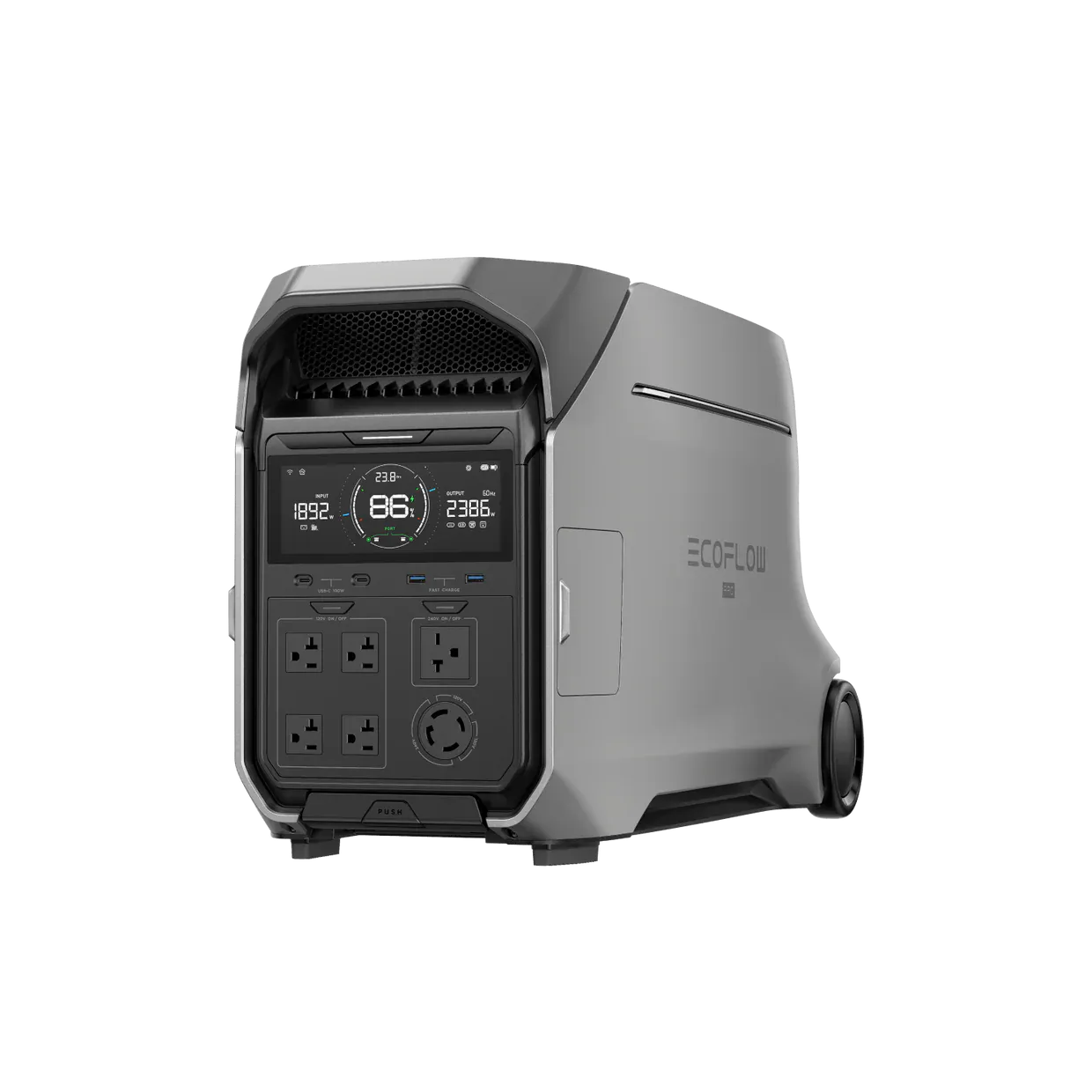
EcoFlow is currently the only major brand offering native 240V split-phase output in a battery-based portable power station. The Delta Pro Ultra (7,200W continuous, 9,000W surge) and the Delta Pro 3 (4,000W continuous, 8,000W surge) both provide true 120V/240V via NEMA L14-30 and NEMA 6-20R outlets from a single unit.
This is significant because it means EcoFlow is the only portable battery brand that can even attempt to power 240V devices like central AC (with a soft start), well pumps, and EV chargers at Level 2 speeds. Every other brand in our database maxes out at 120V, which creates an automatic voltage incompatibility against any 240V appliance.
EcoFlow’s product ecosystem is the most integrated in the industry:
No other brand offers this level of integration between battery, solar, generator, and home electrical panel.
The EcoFlow app is the most capable in the industry. Real-time monitoring of input/output wattage, battery health, charge scheduling, firmware updates, remote control, and Storm Guard mode (which automatically charges the battery to 100% when severe weather is forecasted). Bluetti’s app is functional but simpler. Jackery’s app support is minimal.
X-Boost is EcoFlow’s most controversial feature. It’s advertised as allowing a power station to run appliances rated above its inverter output. For example, running a 1,800W appliance on a 1,000W inverter. EcoFlow presents this prominently in marketing, often listing “X-Boost” wattage alongside continuous wattage as if they’re comparable specs.
In practice, X-Boost works by reducing the voltage delivered to the appliance. If a 1,500W kettle is connected to a 1,000W station with X-Boost, the station doesn’t deliver 1,500W. It delivers roughly 1,000W at a reduced voltage (below 120V). The kettle still works, but it heats more slowly.
This matters for two reasons. First, X-Boost does not help with motor-driven inductive loads (the appliances that actually cause surge problems). A compressor, pump, or power tool needs full voltage to develop starting torque. Reducing voltage doesn’t reduce surge; it prevents the motor from starting. Second, running sensitive electronics at reduced voltage can cause erratic behavior or damage.
Our position at GeneratorChecker: We evaluate all EcoFlow units based on their continuous inverter rating and peak surge rating only. We do not factor X-Boost into compatibility verdicts, because X-Boost does not increase real power output. When we say an EcoFlow Delta 3 Classic is rated at 1,000W, we mean 1,000W, not the “1,800W with X-Boost” figure that appears in EcoFlow’s marketing.
EcoFlow’s lineup is genuinely confusing, even for informed buyers. As of early 2026, the Delta 3 series alone includes five variants: Classic, Max, Max Plus, Ultra, and Ultra Plus. The “Plus” designation adds Smart Output Priority and additional charging methods but not additional wattage or capacity. The Delta Pro line includes the Delta Pro (legacy), Delta Pro 3, Delta Pro Ultra, and the newly announced Delta Pro Ultra X.
Cross-compatibility between expansion batteries varies by model. Some batteries work across lines; others don’t. The naming convention doesn’t always make this clear. A buyer researching “which Delta should I buy” faces a product matrix that requires significant homework to navigate.
This is EcoFlow’s most consistently criticized area. According to reports from the BBB, Trustpilot, the DIY Solar Power Forum, and independent reviewers (including a mystery shopping test by The Solar Lab), there is a documented pattern: initial response times are reasonable, but technical depth is shallow, escalations are slow, and misinformation from sales and support reps is common. Specific recurring complaints include:
According to The Solar Lab’s mystery shopping test, EcoFlow sales reps recommended more expensive configurations than necessary and lacked understanding of basic power calculations.
EcoFlow’s higher-output units are heavy. The Delta Pro 3 is approximately 62 lbs. The Delta Pro Ultra inverter alone is 72 lbs (battery separate). The Delta 3 Ultra Plus is about 74 lbs. These are not portable in the traditional sense; they’re “movable” with effort. If portability matters (camping, tailgating, jobsite), the River series and the Delta 3 Classic are the realistic options.
This is a structural issue across the entire portable power station industry, but it’s especially notable with EcoFlow given their premium pricing. The units are sealed, non-modular designs. When a battery degrades below useful capacity (typically after 3,000+ LFP cycles), or if any internal component fails, the entire unit must be replaced. There are no user-replaceable batteries, no swappable inverter boards, and no authorized third-party repair network. For a $2,000 to $6,000 product with a 5-year warranty, this is worth factoring into your total cost of ownership.
You should seriously consider EcoFlow if:
Charging speed is a priority. If you experience frequent power outages or need to recharge between uses on tight timelines (weekend-to-weekend camping, rolling blackouts, storm season prep), EcoFlow’s X-Stream charging is a genuine differentiator. No other brand can go from 0 to 80% in under an hour at this capacity range.
You need 240V from a battery system. As of February 2026, EcoFlow is the only major brand with native split-phase 240V in a single unit. If your critical loads include a well pump, central AC (with soft start), or Level 2 EV charging, the Delta Pro 3 or Delta Pro Ultra are essentially your only battery-based options.
You want a full smart home energy ecosystem. If your goal is whole-home backup with automatic switchover, solar integration, circuit-level control, and app-based management, EcoFlow’s Smart Home Panel 2 + Delta Pro Ultra system is the most complete plug-and-play solution available. The alternative is a custom DIY system with separate inverter, batteries, transfer switch, and charge controller. Doable, but significantly more complex.
You’re an RV or van life user with high power needs. The Delta 3 Max / Max Plus units offer the best combination of capacity, charging speed, and output for RV use. The TT-30 outlet on several models is purpose-built for RV shore power connections.
You value app control and monitoring. If you want real-time wattage data, remote access, firmware updates, and intelligent power management, EcoFlow’s app is the benchmark.
You should probably look elsewhere if:
Budget is your primary concern. EcoFlow typically costs 10 to 20% more than comparable Bluetti or Jackery units at equivalent capacity. The technology premium is real but so is the price premium. If you need a basic backup station for a fridge, some lights, and phone charging, you can get that from Bluetti or Jackery for less.
You need long-term repairability. EcoFlow’s sealed, non-modular design means no user-serviceable parts. If you’re the type who wants to swap a degraded battery pack in 5 years rather than replace the entire unit, a DIY system (LFP battery + standalone inverter + charge controller) is a better long-term investment.
You’re uncomfortable with a complex product line. If you want one model with one clear use case and don’t want to spend time comparing five variants of the “Delta 3,” a simpler brand lineup (Jackery has fewer SKUs, clearer naming) might be less overwhelming.
Customer service quality is critical to you. If you’re not technically confident and expect responsive, accurate support when something goes wrong, EcoFlow’s track record based on user reports is a legitimate concern. Consider purchasing through a trusted third-party retailer (like Shop Solar or Best Buy) rather than direct from EcoFlow, as third-party sellers often provide better pre-sale guidance and post-sale support.
Your loads are all 120V and your needs are simple. If you just need to keep a fridge, a few lights, and phone chargers running during a power outage, EcoFlow’s advanced features (240V, Smart Home Panel, X-Stream fast charging) are capabilities you’re paying for but won’t use. A Bluetti AC70 or Jackery Explorer 1000 v2 does that job at a lower price.
Sources: EcoFlow product specifications from us.ecoflow.com (accessed February 2026). Company history and valuation data from PitchBook and Crunchbase. Customer service analysis based on BBB complaints, Trustpilot reviews, DIY Solar Power Forum user reports, and The Solar Lab mystery shopping report. X-Boost technical analysis from The Solar Lab and EcoFlow official product manuals. All compatibility verdicts on this page use our True Surge protocol. X-Boost wattage is not factored into any calculation.
Side-by-side comparisons between nearby EcoFlow models.